

Heritage
A house, in its own words
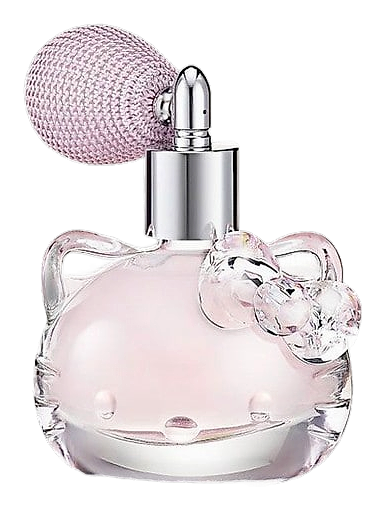
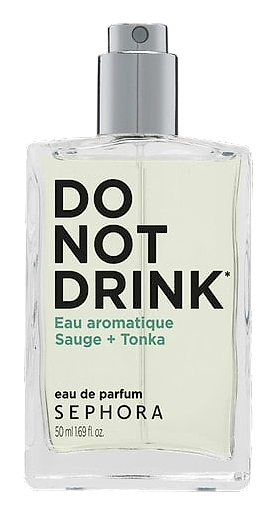
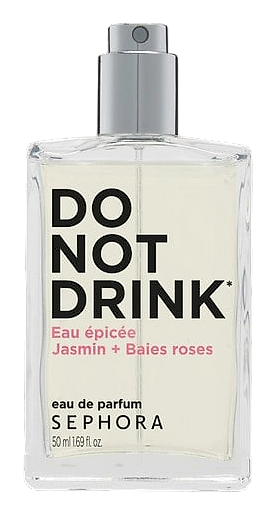
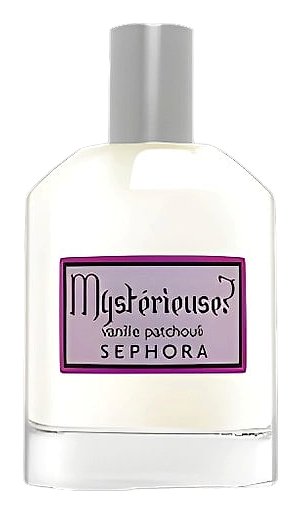
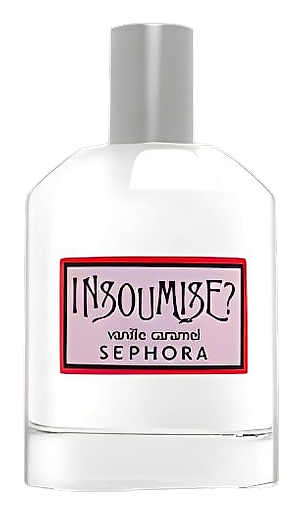
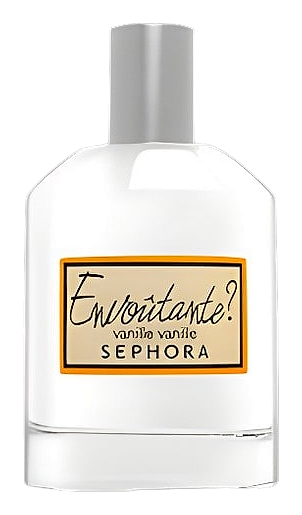
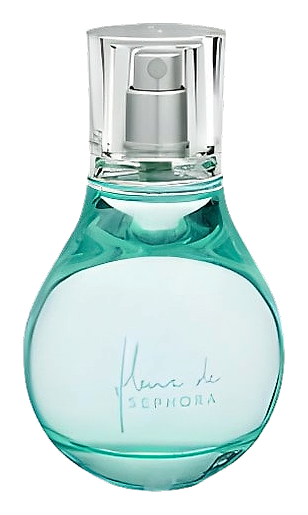
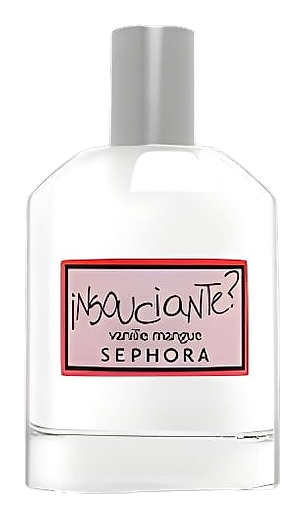
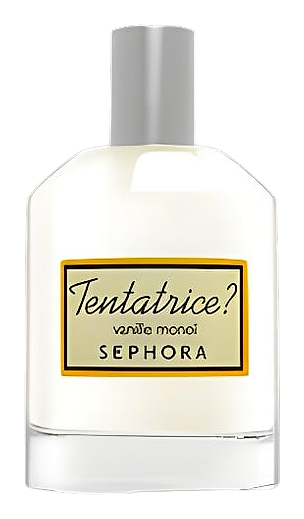
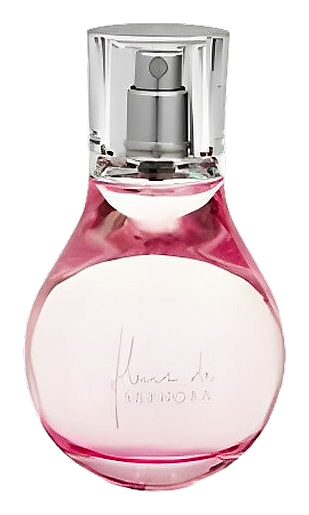
Sephora traces its roots to a small perfume shop opened in Limoges, France, in 1969 by Dominique Mandonnaud. Mandonnaud pioneered the self‑service model, allowing shoppers to sample products directly from open shelves. In 1993 he merged his original chain with the Sephora brand, creating a unified retail concept that emphasized choice and experimentation. The company attracted the attention of LVMH, the luxury‑goods conglomerate, which acquired Sephora in 1997. LVMH’s investment accelerated international expansion; the first United States store opened on Fifth Avenue in New York City in 1998. Throughout the 2000s Sephora broadened its product range, launching a private‑label fragrance collection that debuted with Fleur de Sephora Orchid, Lotus and Hibiscus in 2004. The line grew to include seasonal scents such as Hello Kitty (2011) and a series of fruit‑inspired fragrances—Mangue, Blue Lilac and Chocolat—in 2012. By 2015 Sephora had entered more than 30 countries, adapting its store layout to local markets while preserving the core open‑sell concept. Recent milestones include the rollout of digital beauty tools in 2018, the introduction of a sustainability pledge in 2020, and the opening of flagship concept stores that blend retail with experiential workshops. Each phase of growth reflects a consistent focus on making a wide array of beauty products, including niche fragrances, reachable for a diverse clientele. Sephora’s public statements describe a commitment to democratizing beauty, encouraging shoppers to explore scents without intimidation. The retailer emphasizes education, offering in‑store scent testing stations, online fragrance quizzes and staff‑led workshops that aim to build confidence in personal fragrance choices. Sephora also highlights transparency, providing ingredient lists and sourcing information for its private‑label scents. Sustainability appears in its recent pledges, with goals to reduce plastic packaging and to source responsibly certified raw materials where possible. The brand’s approach to perfumery is collaborative; it commissions external perfumers to develop its private fragrances, allowing creative freedom while maintaining a consistent quality standard. By blending retail convenience with curated expertise, Sephora seeks to nurture a community of scent explorers who can trust both the product and the experience surrounding it.