The Story
Why it exists.
The beginning
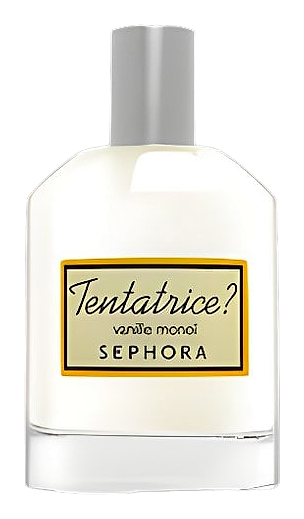
Monoi by Sephora draws its name directly from monoi oil, a traditional Polynesian infusion of tiare flowers steeped in coconut oil, a preparation rooted in Tahitian beauty rituals for centuries. The scent leans into that reference point, translating the sensory experience of a sun-soaked shoreline into a wearable composition. Rather than abstract florals, it offers a single, clear destination: warm skin, salt air, the residue of oil absorbed into sun-warmed limbs. The name does the heavy lifting conceptually, evoking a place and a practice before the bottle is even opened. It's a fragrance that wears its inspiration on its label, inviting the wearer into a specific mood rather than a complex narrative.
What's interesting here is what the brand left out. Monoi pairs the oil's coconut richness with sand, a mineral, almost saline facet that keeps the composition grounded. That tension, creamy against gritty, floral against sun-baked, gives the scent its staying power beyond a beach association. The sand accord prevents the coconut from sliding into obvious sweetness, instead channeling something more textural and atmospheric. The result reads as skin after saltwater, where coconut oil has been absorbed and only the warm, slightly slick residue remains.
The evolution
The opening arrives with monoi oil's unmistakable softness, a coconut-blend that reads as skin-adjacent from the first spray. There is something slightly sunscreen-adjacent in those first minutes, but only briefly. As the minutes pass, the warmer facets of the oil push forward, and the scent settles into its creamy middle phase. This is where it feels most like itself, lush without being heavy, floral without being sharp. The sand accord works subtly throughout, never announcing itself as a literal mineral note, more as a textural dryness that keeps the composition from sliding into pure sweetness. As the hours pass, the coconut recedes and what remains is a warm, slightly waxy floral close, closer to skin than to room.
Cultural impact
Monoi occupies a specific lane in the affordable tropical category, offering wearers a clear, single-note experience that doesn't require interpretation. For those drawn to beach-adjacent scents but wary of compositions that overcomplicate the coconut, it provides a direct path to that sensory space. The fragrance doesn't ask the wearer to decode it; it simply delivers its premise. That accessibility, combined with the recognizable monoi reference, makes it an easy recommendation for anyone curious about tropical fragrances without committing to a more complex or expensive bottle.