Monoï
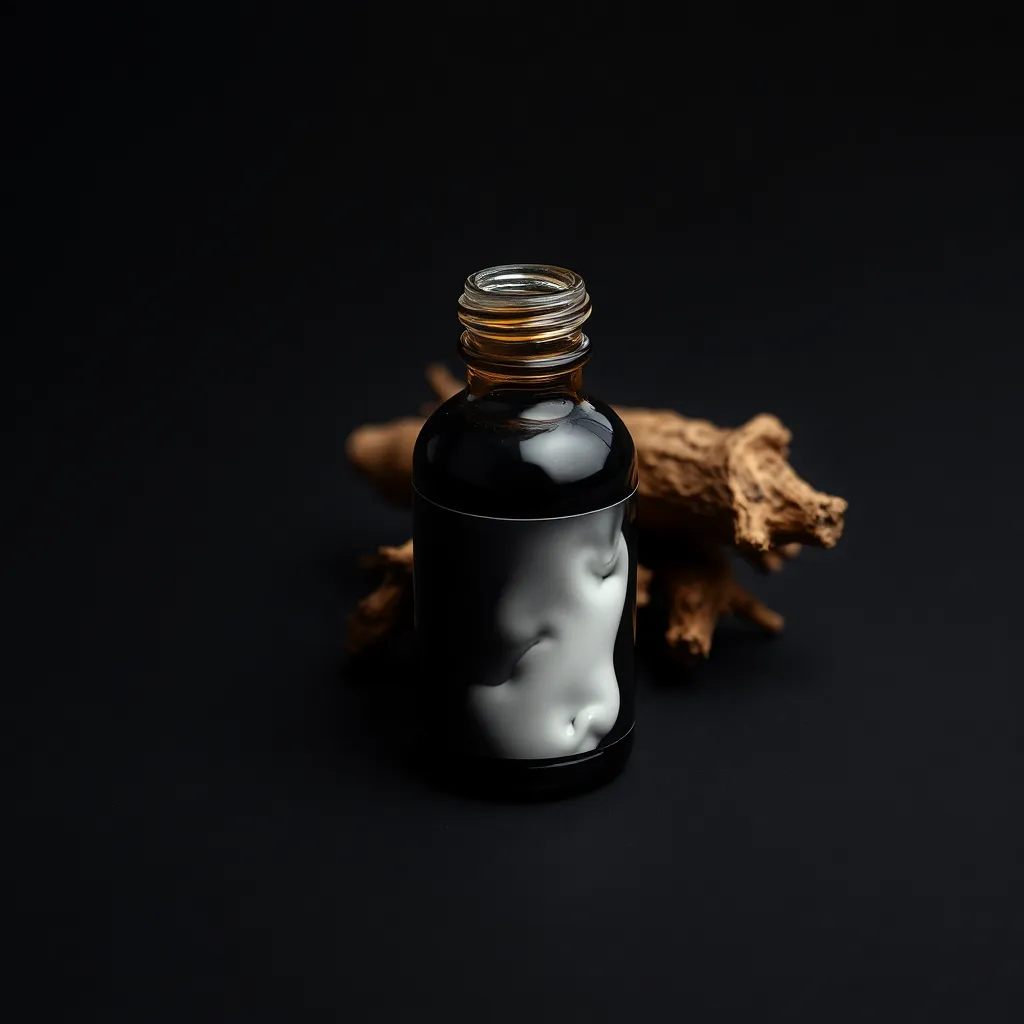
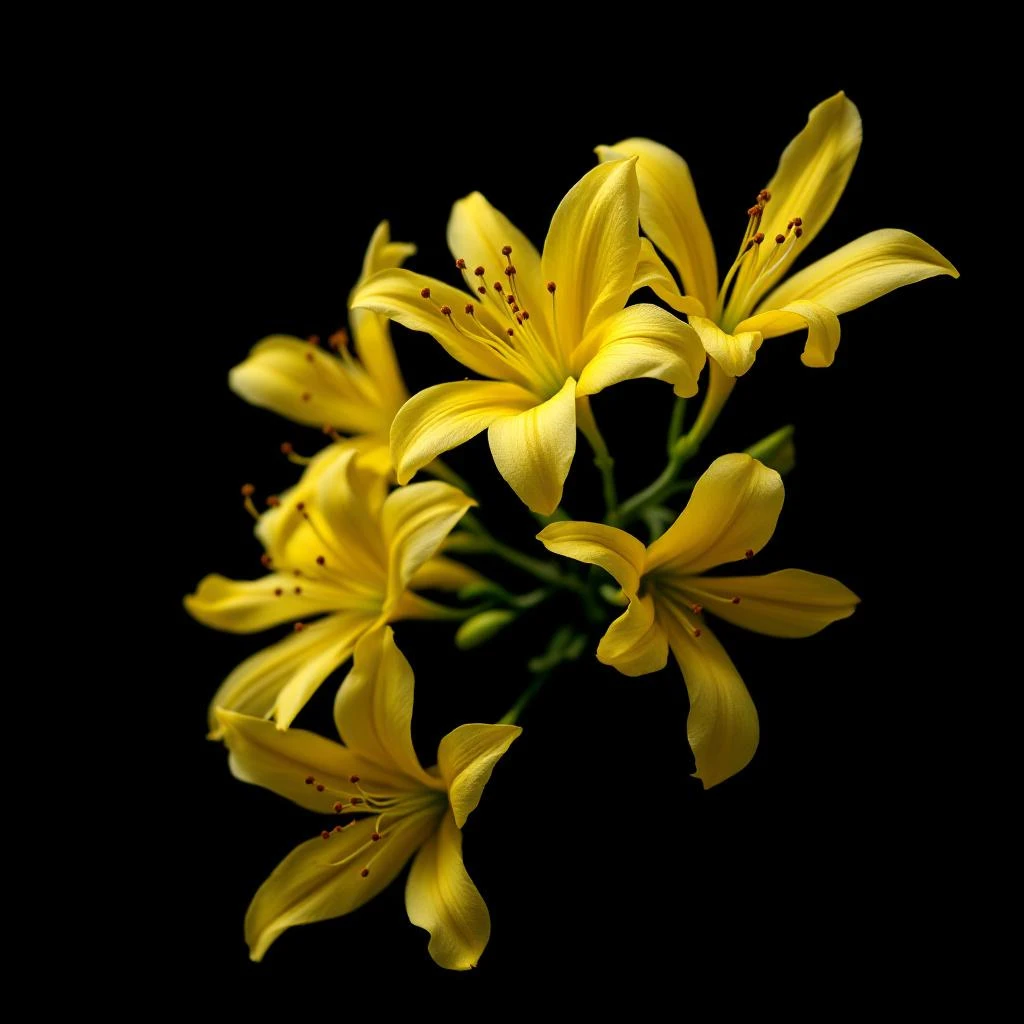
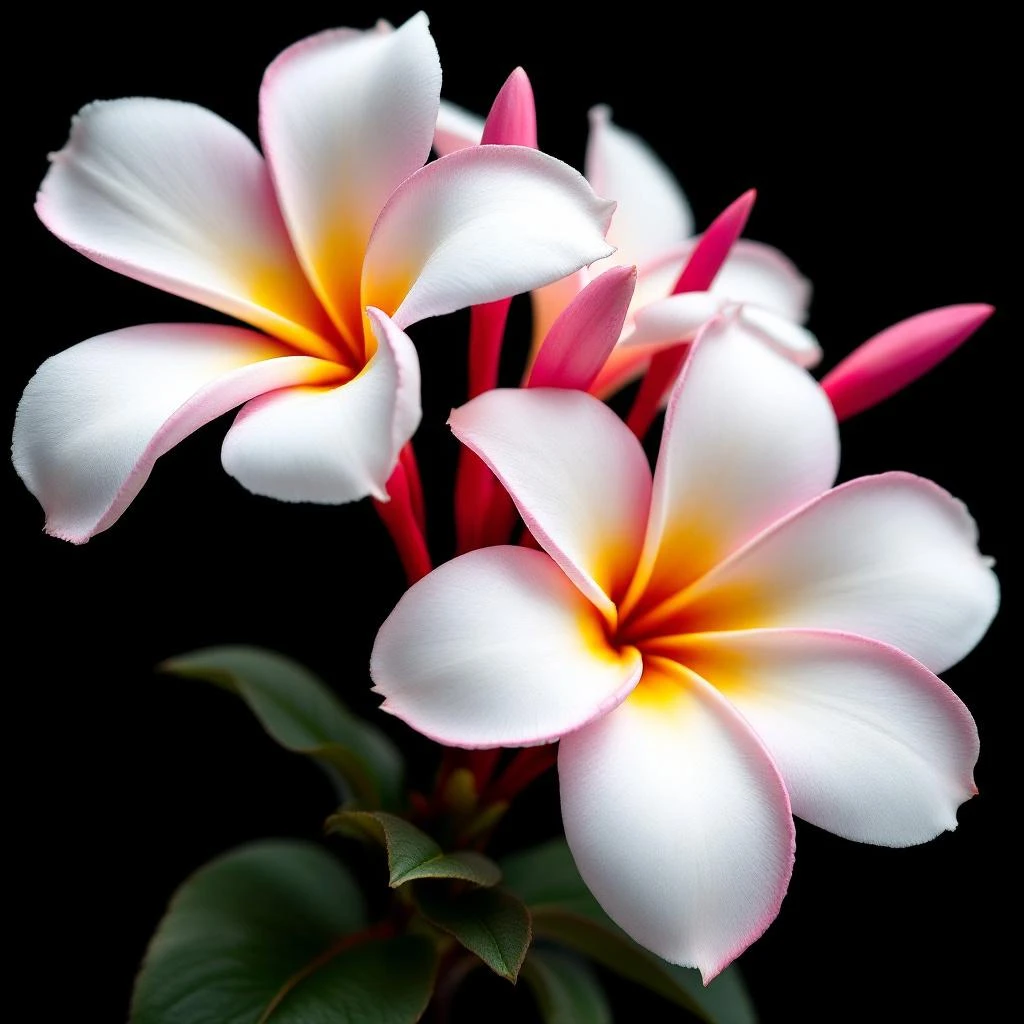
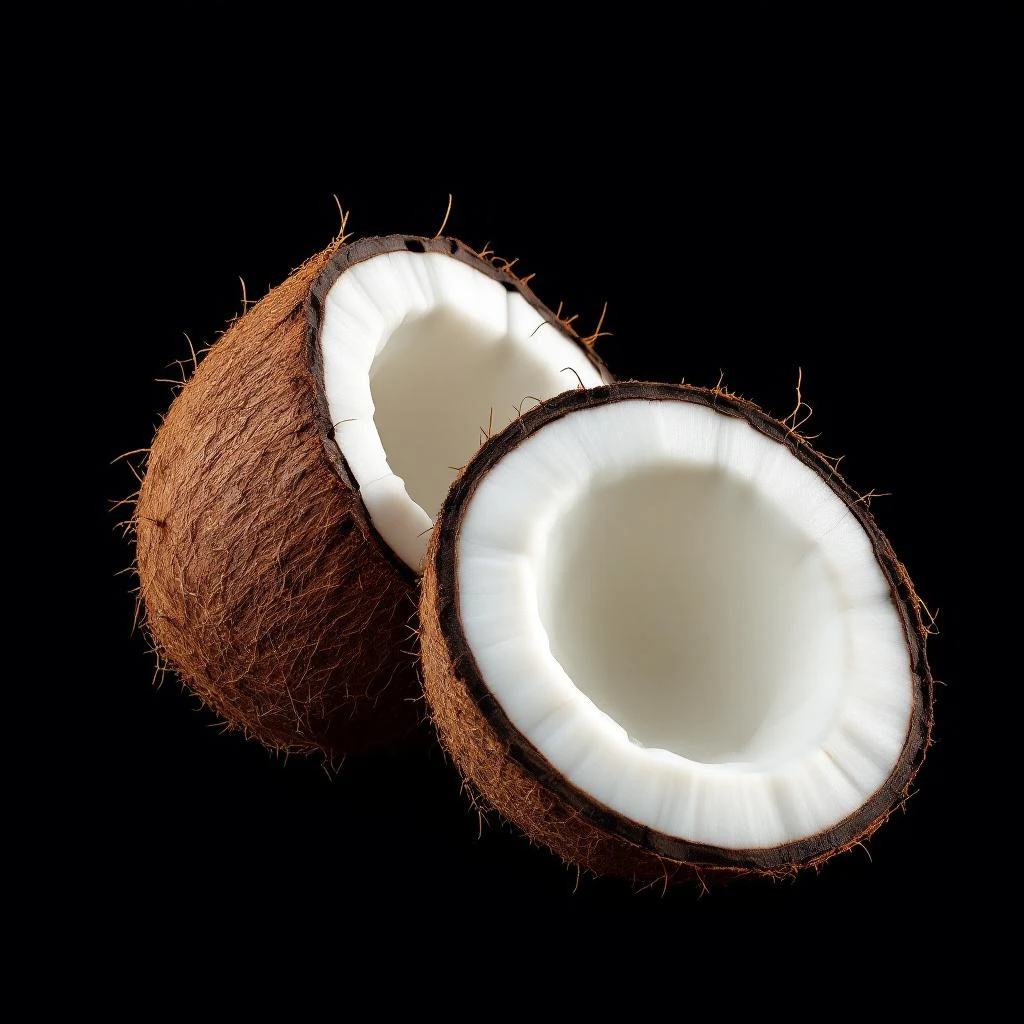
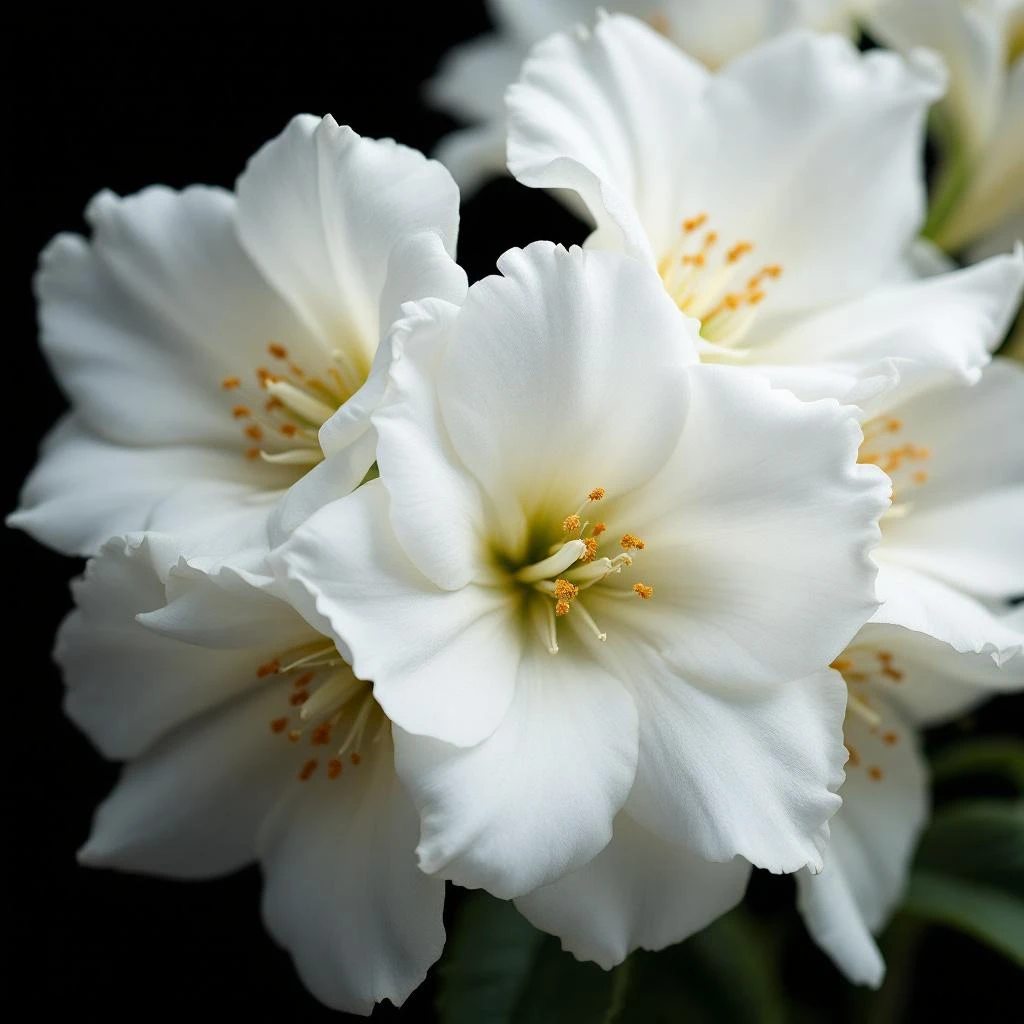
Monoï is an infused perfume-oil created by macerating Tiaré (Tahitian gardenia) petals in coconut oil. Since ancient times, Polynesian perfumers have captured the heady, solar warmth of these white flowers in a rich, golden carrier. The result is an ingredient that carries floral sweetness and tropical depth in equal measure.

Character
How it smells
The scent of Polynesian sunlight, captured in oil.
The word "Monoï" simply means "scented" in Tahitian, yet this single word has been legally protected since 1992 under the Appellation d'Origine designation.





Origin
French Polynesia
The Maohis, ancestors of the Polynesian peoples, developed Monoï several thousand years ago as both a perfume and a skin protectant. They discovered that Tiaré flowers steeped in coconut oil released their fragrance into the fatty carrier, creating a fragrant preparation suited to the tropical climate.
For centuries the making of Monoï was a household craft passed through generations, each family maintaining its own techniques. In 1942, Parfumerie Tiki in Papeete, Tahiti commercialized the product, becoming the first formal producer.
The designation of origin awarded to Monoï de Tahiti in 1992 marked the first French perfume ingredient to receive such legal protection outside Europe, recognizing the cultural and geographic specificity of this Polynesian practice. Today the designation governs everything from flower species to production location, ensuring the ingredient's authenticity and preserving the living tradition.
Wears it best
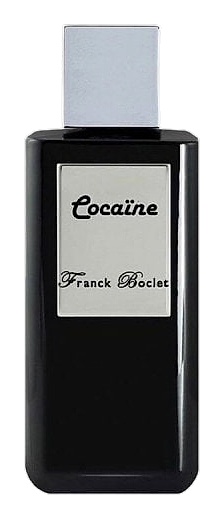
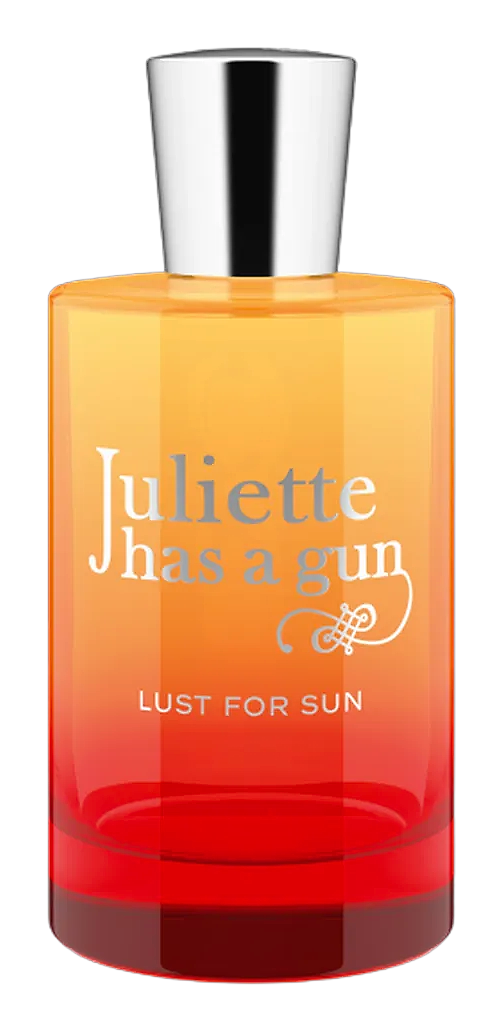
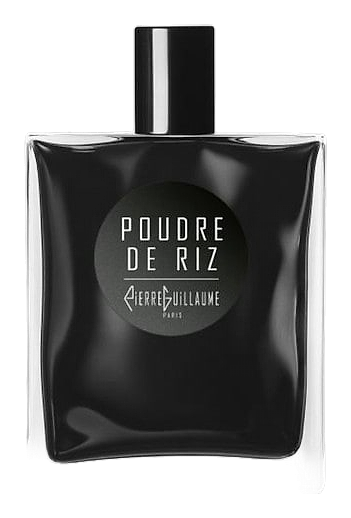
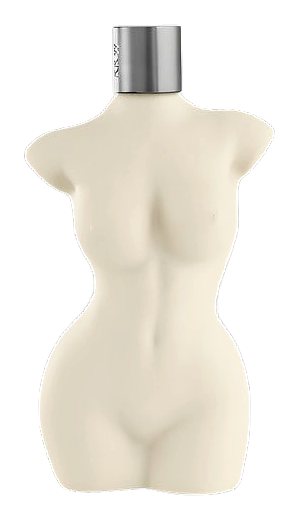
Fragrances featuring Monoï
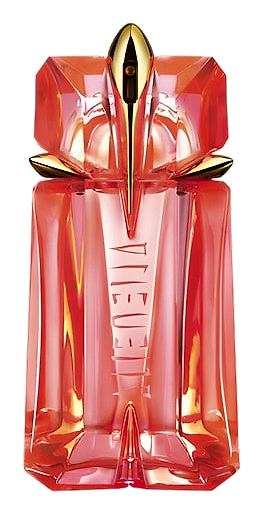
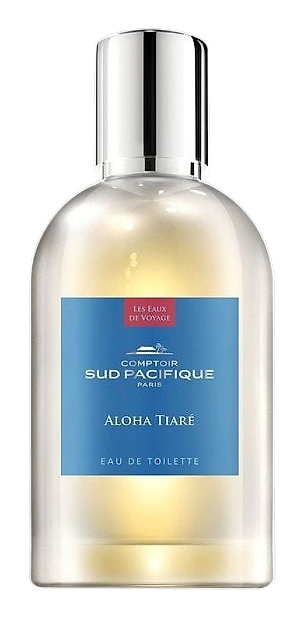
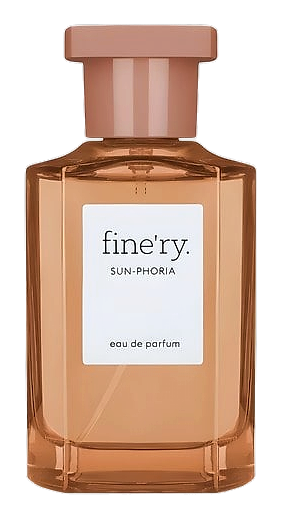
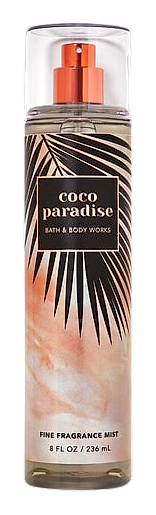
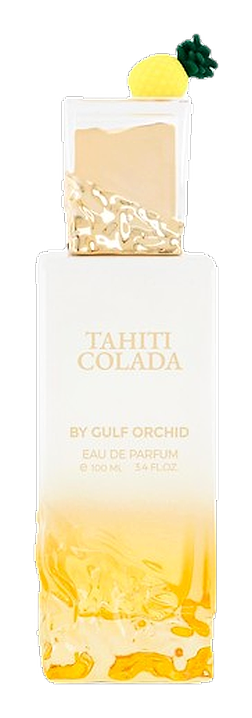
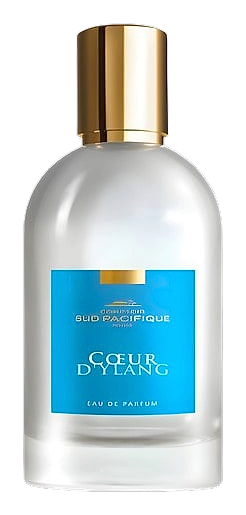
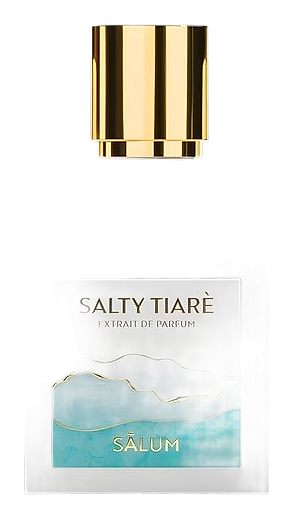
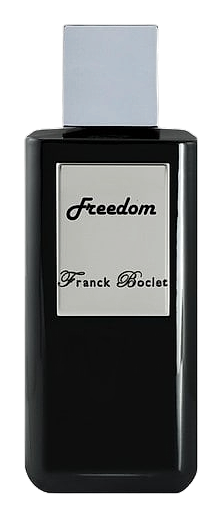
Brands
Brands known for Monoï
Good to know
Questions, answered
The essentials on Monoï in perfumery: how it smells, where it comes from, and how it behaves on skin.
What does Monoï smell like?
Monoï carries a warm, creamy floral scent built around the honeyed, slightly heady character of Tiaré gardenia. Coconut oil adds a soft, vanillic depth that rounds the fragrance into something tropical and sunlit rather than sharp or green.
How is Monoï different from coconut oil in perfumery?
Coconut oil alone offers a neutral, faintly sweet fatty base. Monoï is coconut oil that has absorbed Tiaré flower compounds through maceration, giving it a distinct floral dimension that functions as an aromatic ingredient in its own right rather than a mere carrier.
What does the Monoï de Tahiti Appellation d'Origine guarantee?
The Appellation d'Origine designation, awarded in 1992, requires that Monoï be produced in French Polynesia using only Gardenia taitensis flowers and coconut oil. It is the first perfume ingredient outside Europe to receive this level of legal protection.
Can Monoï be used directly on skin in fragrance formulations?
Monoï works as both a fragrant ingredient and a fixative base due to the saturated fatty acids in coconut oil. Perfumers use it in solid balms, oil-based perfumes, and anhydrous formulations where its warming scent anchors lighter top notes.
How long does the Monoï maceration process take?
The minimum legally required maceration period is fifteen days, though many producers extend this to several weeks or months. Longer infusion produces a more concentrated and complex aromatic profile in the final oil.
Does Monoï oxidize or go rancid over time?
Monoï contains unsaturated fatty acids from coconut oil, which can oxidize when exposed to heat, light, or air. Storing it in a cool, dark environment in sealed containers extends its shelf life significantly.
Is Monoï suitable for vegan fragrance formulations?
Monoï is fully plant-based, deriving its scent from Tiaré flowers and its carrier from coconut oil. No animal-derived materials are involved in standard production, making it suitable for vegan perfume formulations.
How can I verify that a Monoï product carries genuine appellation certification?
Authentic Monoï de Tahiti A.O. products carry a specific seal of certification on their packaging. You can verify registration through the official government body governing the designation of origin for this ingredient.