The Story
Why it exists.
The beginning
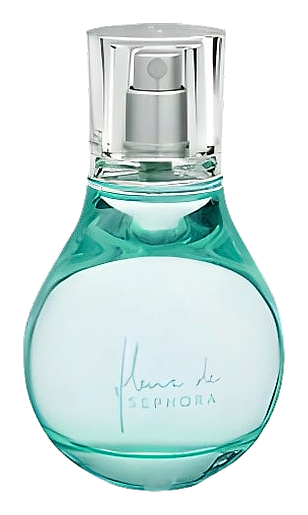
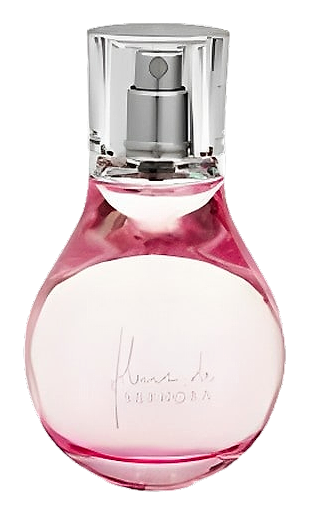
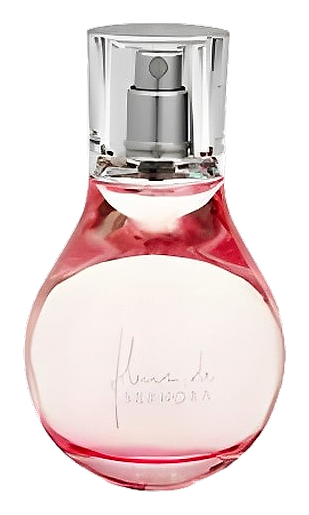
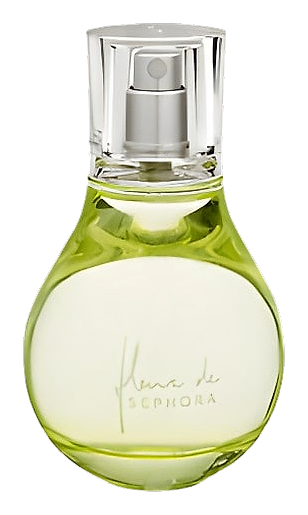
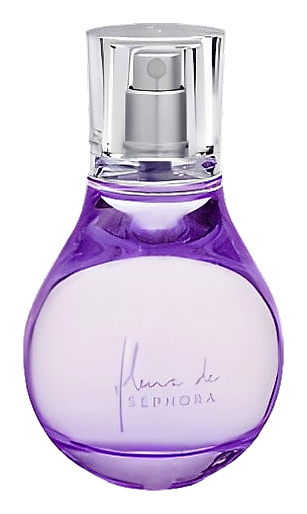
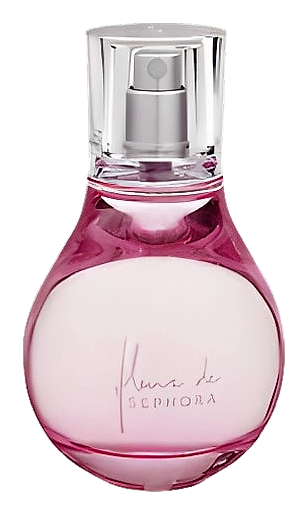
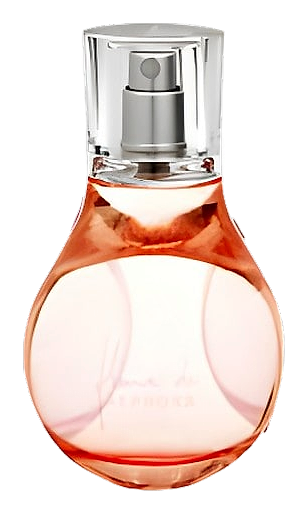
Sephora launched the Fleur de Sephora collection in 2004 as a seven-piece lineup built around a simple idea: one flower per bottle. Rose was one of the entries in the set, featuring damask rose alongside violet and crystalline musk. The collection marked an early effort by Sephora to build a recognizable name in fragrance, giving shoppers an option that sat apart from the bigger designer names crowding the shelves. Production was apparently discontinued at some point, which makes surviving bottles harder to find and harder still to verify for authenticity. Any bottle still sealed and intact carries the appeal of something pulled from the back of a shelf rather than freshly replenished.
Three notes, no filler. That minimalism is the point. Damask rose delivers the floral weight. Violet adds a powdery shadow that keeps the rose from reading one-dimensionally sweet. Crystalline musk underneath ties both into something that smells less like a bottle and more like a person. When a composition is this stripped, every ingredient has to pull its weight, and the tension between rose's lushness and violets coolness is what makes it interesting. Violet carries a faintly bitter edge that keeps the rose honest, and the musk has a way of softening both without smudging them together.
The evolution
On skin, it starts in full bloom. The rose arrives first, bright and dewy, almost like crushing a fresh petal between fingers. Soon after, violet steps forward and cools the temperature. The powder settles, the sweetness retreats, and the composition starts to feel less like a flower and more like the memory of one. As the hours pass, the musk takes over underneath. The rose is still there, but it has been distilled to its quietest form, almost a suggestion. The drydown is a clean, skin-warm musk with a faint rosy trace, and that final phase lingers on the skin. It wears close to the body, present without announcing itself, the kind of scent that rewards a curious second sniff rather than a passing glance.
Cultural impact
Fleur de Sephora Rose exists as a small entry in the broader catalog of mid-2000s private-label fragrance. It wasn't built around a campaign or a lifestyle pitch, and it wasn't positioned as a signature scent for any particular customer. It sat on a Sephora shelf, available for a wrist test and little else. Its discontinued status has made sourcing a current bottle more difficult, and intact examples tend to surface through secondhand channels rather than retail. The fragrance remains a quiet footnote in the Sephora private-label catalog, recognizable mostly to those who encountered it during its original run.