The Story
Why it exists.
The beginning
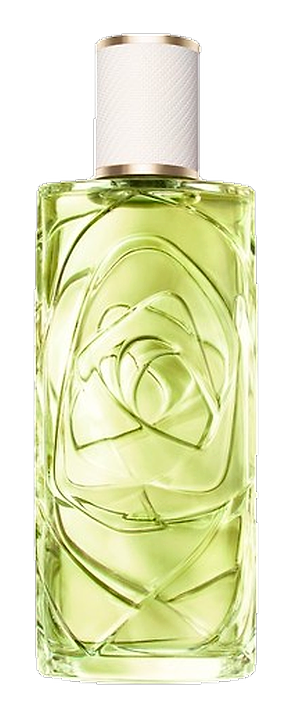
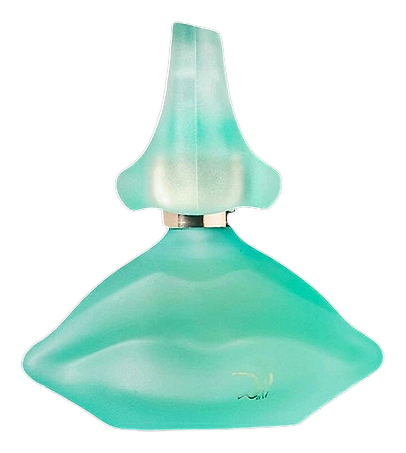
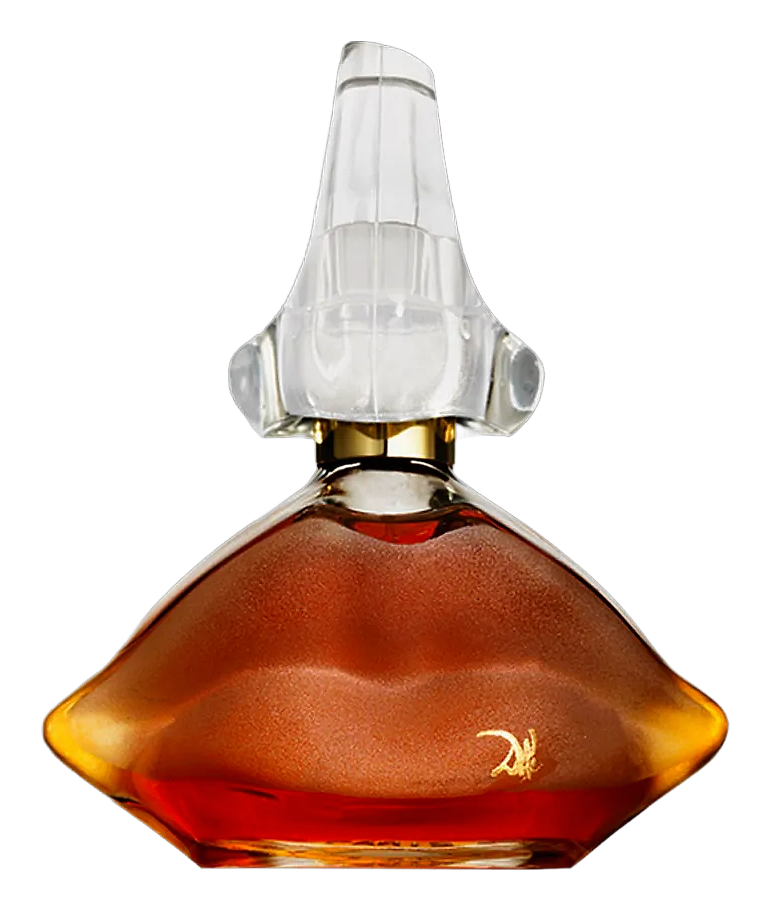
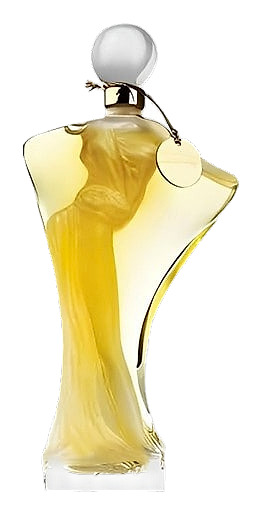
Daliflor arrived in 2000, created by Olivier Pescheux for a house that has always treated perfume as canvas. The bottle alone tells you something: it echoes Dalí's 1935 painting Woman with a Head of Roses, where roses become a woman's face, and a face becomes flowers. That inversion, the real becoming symbolic, the symbolic becoming tangible, runs through every Dalí fragrance. Daliflor takes that logic and applies it to scent: citrus becomes rose becomes powder, and by the end you're not sure which came first.
What makes Daliflor interesting is the transparency. The rose doesn't arrive dressed for a gala, it comes clean, almost translucent, with a fruity undertone from the mandarin and grapefruit that keeps everything feeling bright rather than heavy. The Turkish rose and jasmine in the heart give it substance, but they don't crowd the composition. Then the base arrives: warm sandalwood, soft musk, Bourbon vanilla. The powdery quality in the drydown is what people mention first, it's the signature move of this fragrance, the thing that makes it smell like it belongs to someone who knows what they're doing.
The evolution
The opening hits citrus-forward: lemon verbena, grapefruit, mandarin orange. Bright and tart, like biting into a fruit before you've decided to commit. The violet is there too, subtle, adding a slightly sweet edge that prevents the whole thing from going too sharp. Within twenty minutes, the rose starts to surface, not bursting through, just arriving. By the time you hit the second hour, the floral heart has taken over: Turkish rose, jasmine, lily of the valley in quiet harmony. The drydown is where this fragrance earns its reputation. Sandalwood, musk, Bourbon vanilla. Powdery. Warm. The kind of scent that lingers on fabric long after you've left the room. On some skin, it holds for six to eight hours. On others, it fades faster, the citrus front-loaded by design, the rose and powder doing the real work as the hours pass.
Cultural impact
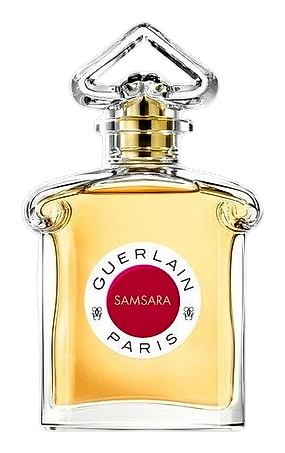
Daliflor occupies an interesting position: a mainstream designer fragrance that smells like it came from a niche house. The Guerlain comparison isn't accidental, Olivier Pescheux trained in that tradition, and Daliflor carries the same transparency and craftsmanship. The bottle design, referencing Dalí's Woman with a Head of Roses, makes it a collector's piece even before you spray it. The fragrance itself is the quieter argument: that surrealism doesn't have to be confrontational. Sometimes it's just a rose that knows what it is.