The Story
Why it exists.
The beginning
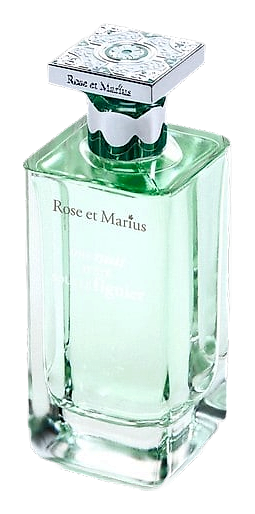
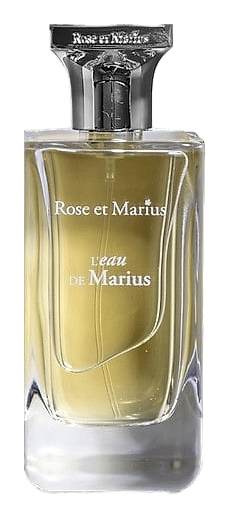
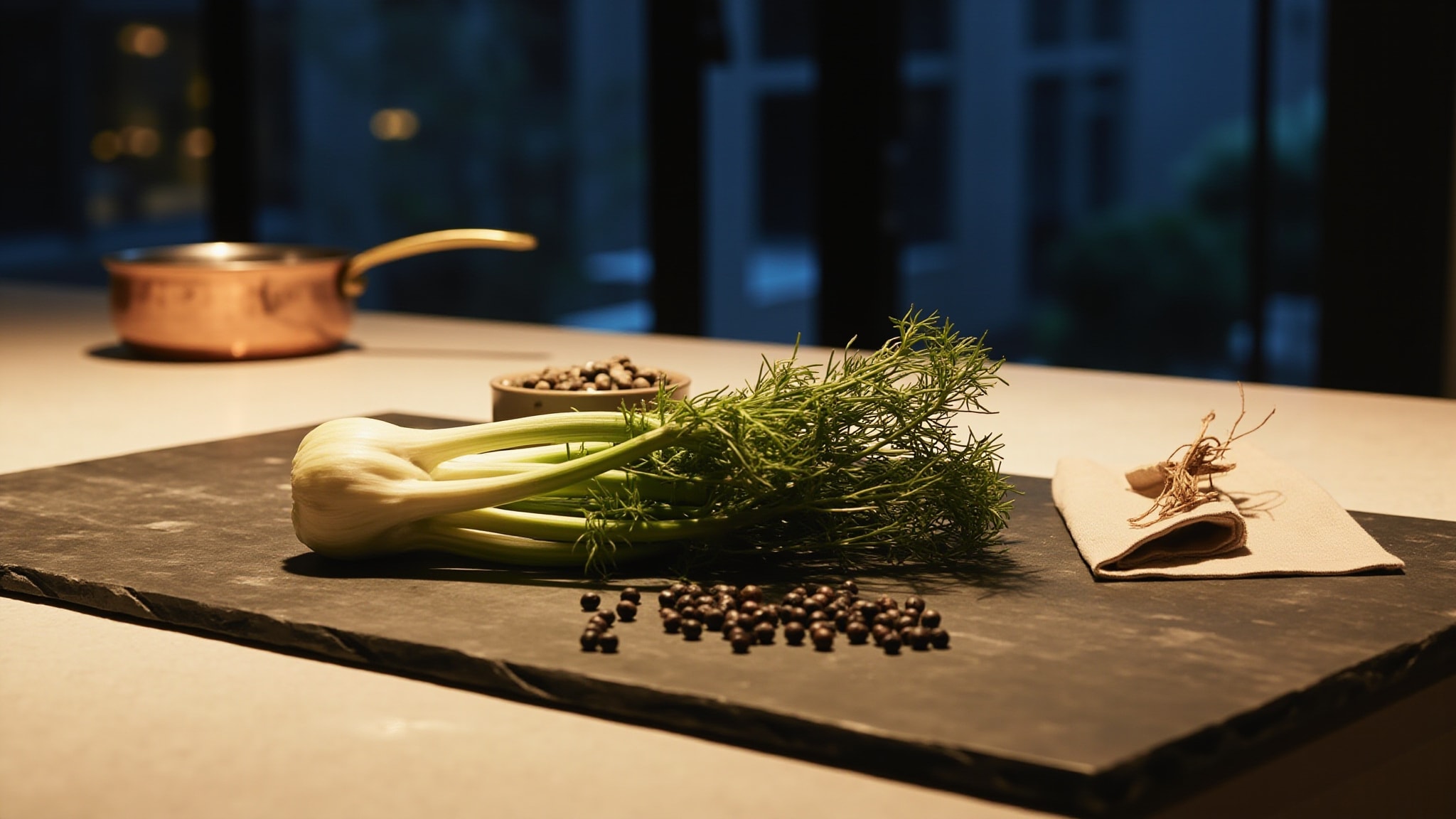
There's a moment in Provençal markets where the stalls collide: pepper crates next to fennel bundles, dried licorice root beside rose petals, the air turning thick with what's about to be cooked. L'Eau De Marius, launched in 2023, captures that collision. It belongs to Rose et Marius's ongoing project of bottling specific Provençal scenes, and it leans toward the herbaceous and resinous rather than the purely floral. The composition uses natural raw materials of character, the kind that arrive with their own weight and texture already intact.
What's distinctive here is how many layers of spice Rose et Marius stacks without the composition going flat or aggressive. Timut pepper, Sichuan pepper, and pink Brazilian berries sit at the top, layered rather than competing. The fennel flower adds an aniseed facet that's more about lift than sweetness, the kind of green sharpness you get from a high-altitude herb rather than a candy. The rose in the heart isn't the powdery soliflore type, it's a rose that's been seasoned with nutmeg and licorice, so it reads warm and slightly bitter before any of the base notes arrive.
The evolution
The opening hits the skin with a quick, almost startled brightness. Black pepper and green anise arrive together, and for the first few minutes the fragrance reads almost culinary, like crushed seeds under a wooden pestle. Fennel softens the edges without removing the sharpness. Within ten to fifteen minutes, the heart starts to settle in. Licorice arrives first, sweet but with that earthy root quality, then nutmeg warms over the top of it. The rose appears late in the heart phase, and it's been transformed by the spices around it into something that's less about petals and more about warmth, almost a spiced tea note. After forty-five minutes to an hour, the base settles: tonka bean brings a low sweetness that doesn't compete with the licorice, white musk keeps everything on the skin, and the tobacco-moss combination grounds the whole thing with a quiet, slightly bitter warmth.
Cultural impact
L'Eau De Marius pulls from a darker, more savory register, leaning on aniseed facets and spice-driven accords rather than the clearer florals one might expect from a Provençal-themed house. It shares the brand's appetite for scene-driven composition but chooses the kitchen and the apothecary over the garden, which gives it a more contemplative, restrained feel. The result is a fragrance that reads as warm and weighted rather than breezy, carrying the same Mediterranean sensibility but turning it inward, toward spice, root, and resin instead of bright petals and fruit.