The Story
Why it exists.
The beginning
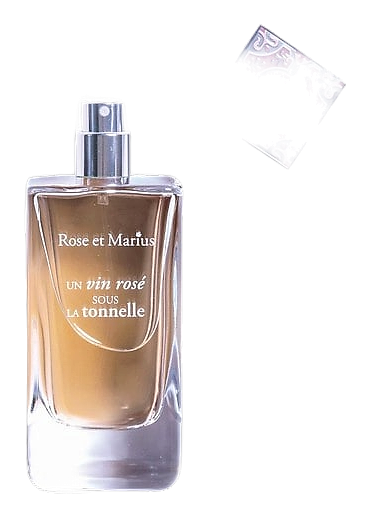
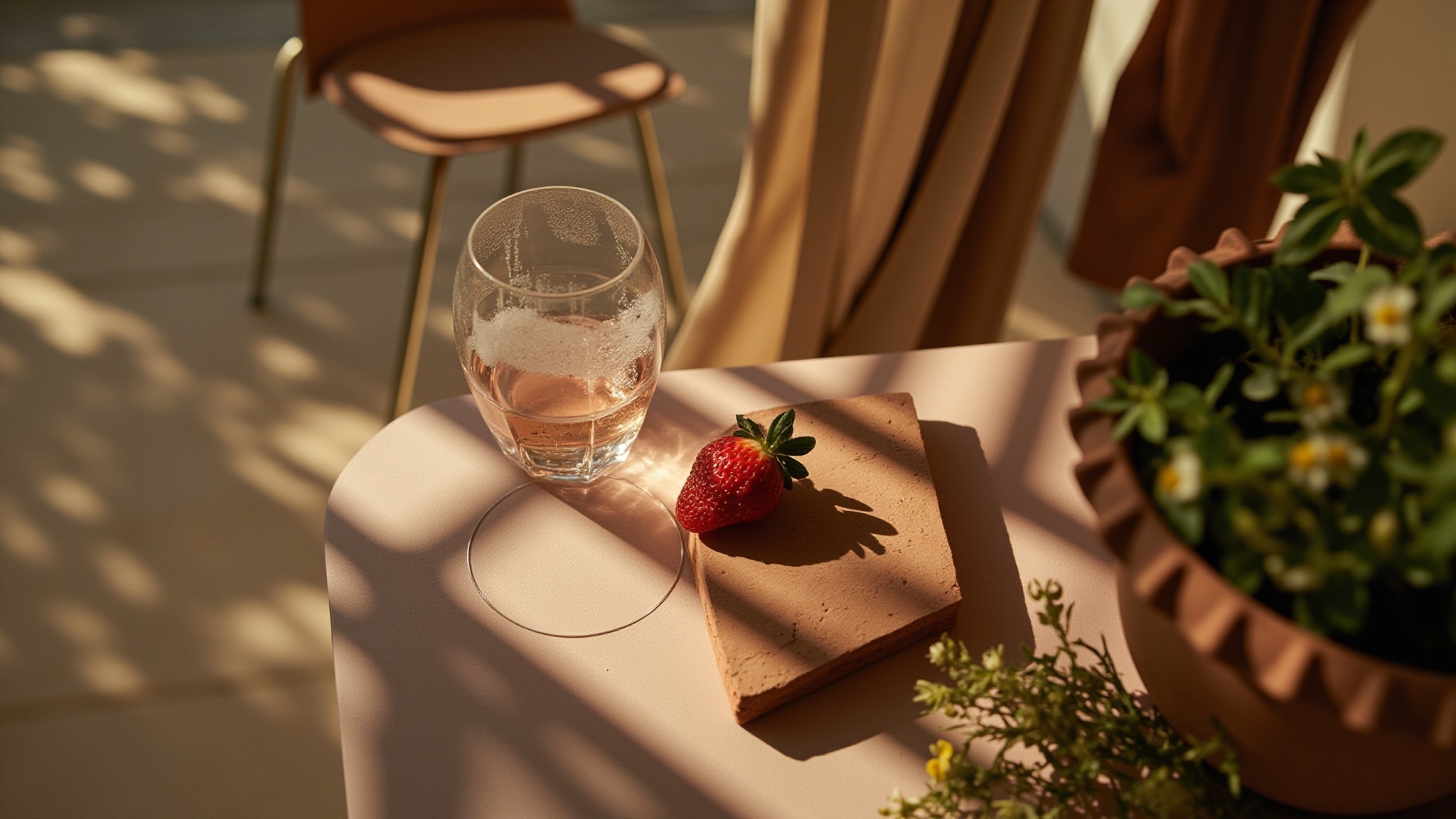
Un Vin Rosé Sous La Tonnelle translates directly: a glass of rosé beneath a garden trellis. The name doesn't hint at its inspiration, it states it. Rose et Marius built its collection around specific Provençal moments, and this one captures the ritual at its most literal. Not the landscape, not the light. The act itself: the deliberate choice to sit in shade when the sun is punishing, the glass sweating in your hand, the unhurried decision to stay.
What makes this composition unusual is the way patchouli functions less as a base note and more as a structural element, present from the heart, bridging the bright fruit opening and the woody close. Most fruity fragrances treat patchouli as depth. Here it shapes the middle act, giving the strawberry and the jasmine something to argue about. The result is a fragrance that feels less linear than its note list suggests.
The evolution
The opening is immediate and bright, woodland strawberry hits first, juicy and slightly tart, then bergamot and lemon sharpen it into something more citrus than sweet. Pink pepper whispers at the edges, giving the fruit a faint warmth. This phase lasts roughly twenty minutes before the heart takes over: jasmine and ylang-ylang introduce a floral richness, but Indonesian patchouli is the real co-star, lending an earthy, almost fermented quality that references the wine without mimicking it. The transition into the drydown is gradual, sandalwood and cedar arrive together, creamy and warm, while white musk keeps everything close to the skin. By hour three, this is intimate. The sillage is moderate, the projection close. It lasts 8-10 hours on most skin types, a workday, essentially, without reapplication.
Cultural impact
Un Vin Rosé Sous La Tonnelle has been a consistent presence for Rose et Marius since its debut, positioning itself as the brand's answer to anyone who wants to wear Provençal terroir rather than describe it. Within the house, it occupies a specific niche: for the wearer who appreciates wine culture not as a status marker but as a lived sensibility. The combination of fruity-woody and chypre structure gives it a complexity that rewards attention, it reads differently at twenty minutes than it does at six hours. That longevity has made it a practical choice as much as an aesthetic one.