The Story
Why it exists.
The beginning
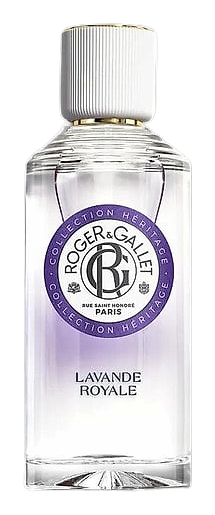
Lavande Royale arrived in 1899 as Roger & Gallet's answer to something the modern wearer hadn't yet named: botanical wellbeing. The house had spent decades refining citrus structures and quiet florals, but this was different. Lavender, essential oil of lavender, as the label still says today, carried associations that went beyond perfume. Calming. Restorative. The kind of thing your grandmother kept in a cabinet for more than just smelling. The perfumer behind Lavande Royale didn't try to distance the scent from those associations. Instead, the composition leans into them, building around a lavender heart that stays true to the plant's herbal, slightly camphorated character. Mandarin orange opens bright and citrus-forward, a nod to the house's cologne heritage. But the real story is what happens next: lavender, geranium, and a drydown of cedar and musk that stays close to the skin. This was never meant to announce itself.
What makes Lavande Royale interesting is how it handles lavender's duality. The note can swing cool and medicinal or warm and floral, depending on what surrounds it. Here, the perfumer gave it mandarin orange at the top, bright, slightly sweet, a counterpoint that keeps the lavender from reading too sharp on first spray. The geranium in the heart adds a warm, spicy undertone that shifts the lavender toward something earthier. And the base? Cedar, musk, oakmoss, benzoin, vanilla. The result is a fragrance that feels grounded rather than fleeting. The vanilla doesn't sweeten it into a marshmallow. The cedar doesn't turn it into a lumberjack. It stays in the middle: herbal, warm, intimate.
The evolution
The opening arrives fast, mandarin orange bright and clean, already halfway gone before you've finished applying it. Then the lavender takes over, and for the next hour or so, that's the whole story. Herbal, slightly camphorated, undeniably lavender. No hedging. Around the second hour, the geranium and spice notes join. The composition warms. The sharp edges soften. What was cool becomes something closer to skin-warm. The drydown is where Lavande Royale earns its age. Cedar and musk settle close, very close. The oakmoss adds a quiet earthiness. The benzoin and vanilla don't sweeten so much as round off the edges. Lasting power sits around three to four hours on most skin. Not a projection fragrance. Never was. But the drydown lingers on fabric long after the skin scent has faded, a quiet reminder that you wore something worth remembering.
Cultural impact
Lavande Royale occupies an unusual position: a 1899 fragrance that still feels intentional by modern standards. The lavender-forward composition was bold for its era, lavender typically played a supporting role in perfumery, not the lead. Today, in a market saturated with safe, compliant florals, that botanical honesty reads as quiet rebellion. The close sillage and moderate longevity suit a wearer who wants presence without projection. Not every fragrance needs to fill a room.