The Story
Why it exists.
The beginning
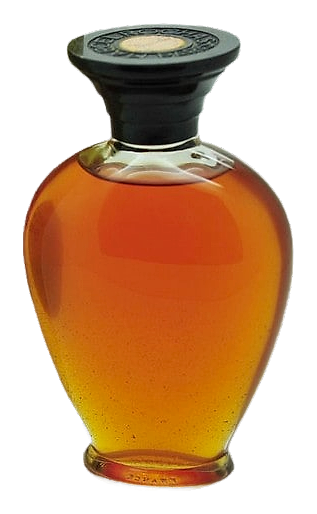
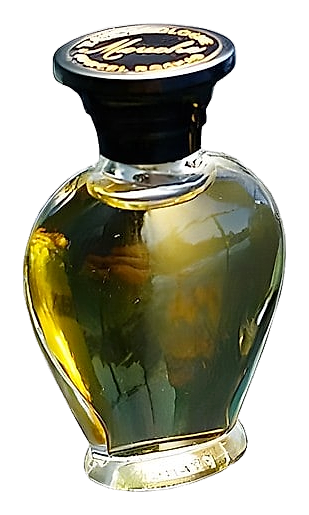
Mouche arrived in 1947 with Edmond Roudnitska's fingerprints all over it. By then, he'd already proven he could make restraint feel luxurious, that particular gift of making you think less is more, until suddenly more is everything. For Mouche, he reached differently. The name means "fly" in French, and there's something of that insect's persistent, buzzy quality in the brief: a fragrance that doesn't land gently, that keeps circling back.
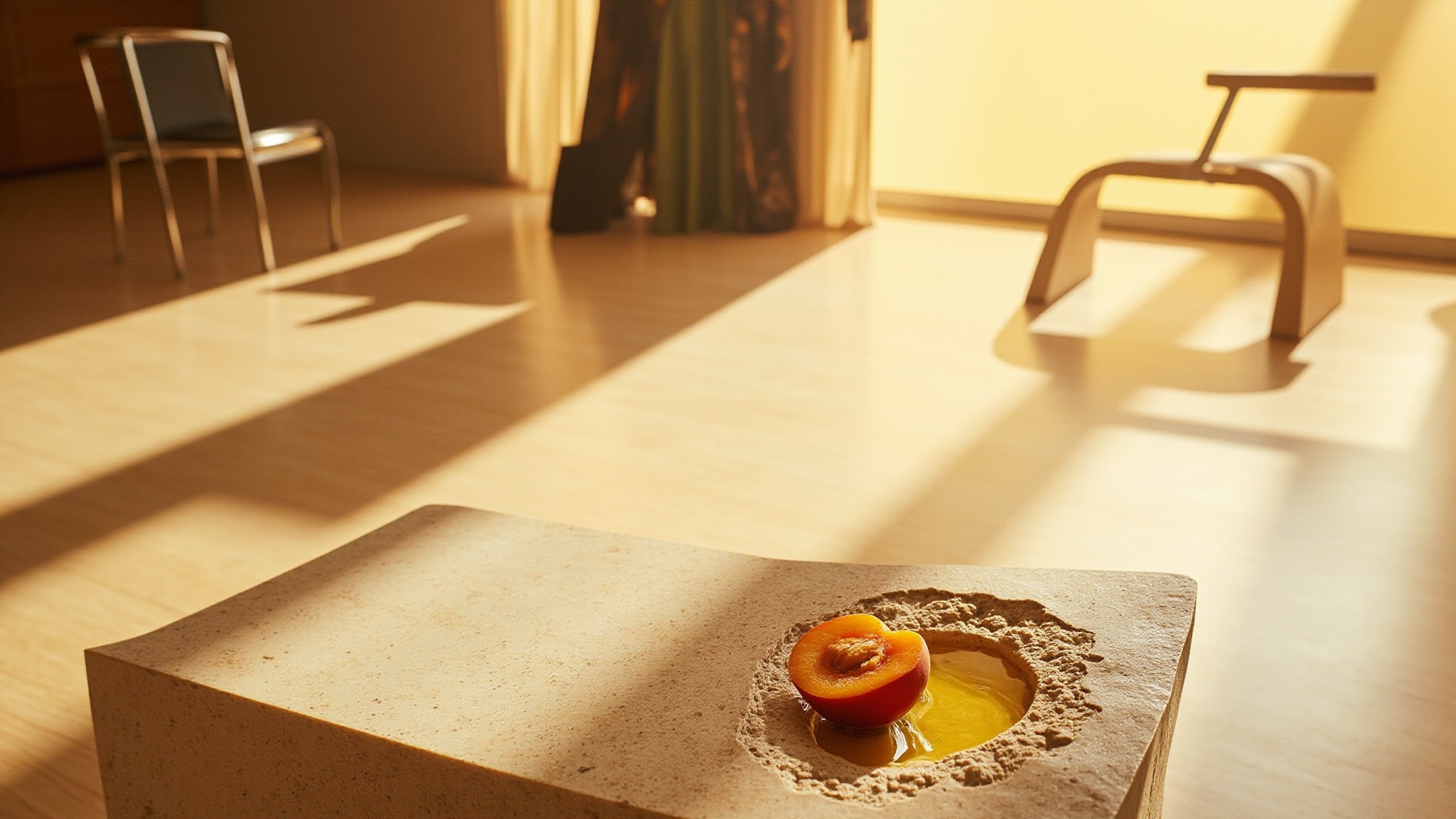
The stone fruit opening is unusual for its era. Peach and apricot in 1947 read as almost scandalously fleshy, sweet in a way that perfume hadn't fully claimed yet. Roudnitska knew this. He paired that lushness with Narcissus, green, slightly animal, properly odd, so the sweetness wouldn't just sit there. The contrast is the point. Honey in the heart amplifies the warmth, cloves add that unexpected sharp note cutting through, and then the base does what chypre does best: holds all that excess in a mossy, animalic hand and says 'sit down.'
The evolution
The top notes burst bright and fruity, peach and apricot dancing over lemon and bergamot, a stone fruit salad that smells expensive. Slowly, almost without warning, the florals begin to dominate. Rose and ylang-ylang arrive soft, then jasmine, then something sweeter and stranger, heliotrope, sweet pea, and beneath it all, cloves pushing through like a spice rack remembering it exists. This middle phase is where most people either fall in love or lose interest. The honey is doing a lot of work here, thickening the air. Then the base takes over. Oakmoss, patchouli, opoponax, the chypre architecture closes in. Leather. Musk. Benzoin. The dry down offers a powder-warm, animalic, mossy character that feels like a nod to a more permissive era of perfumery regulation.
Cultural impact
Mouche is discontinued, production ceased in 1962, with a reformulation in 1987 that didn't survive either. Finding the original is a matter of patience and provenance. For collectors of vintage perfumery, this is part of the appeal: a Roudnitska composition you can still hunt, still discover, still wear if you're lucky enough to find it. The scent itself occupies unusual territory, fruity enough to be approachable, chypre enough to be complex, animal enough to be divisive, powdery enough to be vintage in the most literal sense. It doesn't smell like anything currently in production, which is either its greatest strength or its biggest obstacle to rediscovery.