The Story
Why it exists.
The beginning
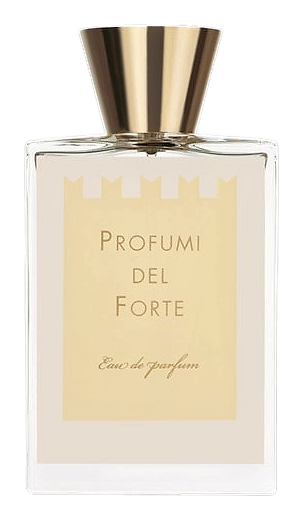
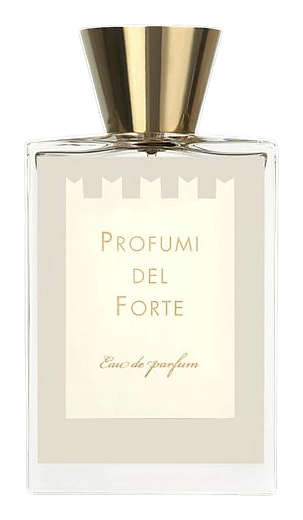
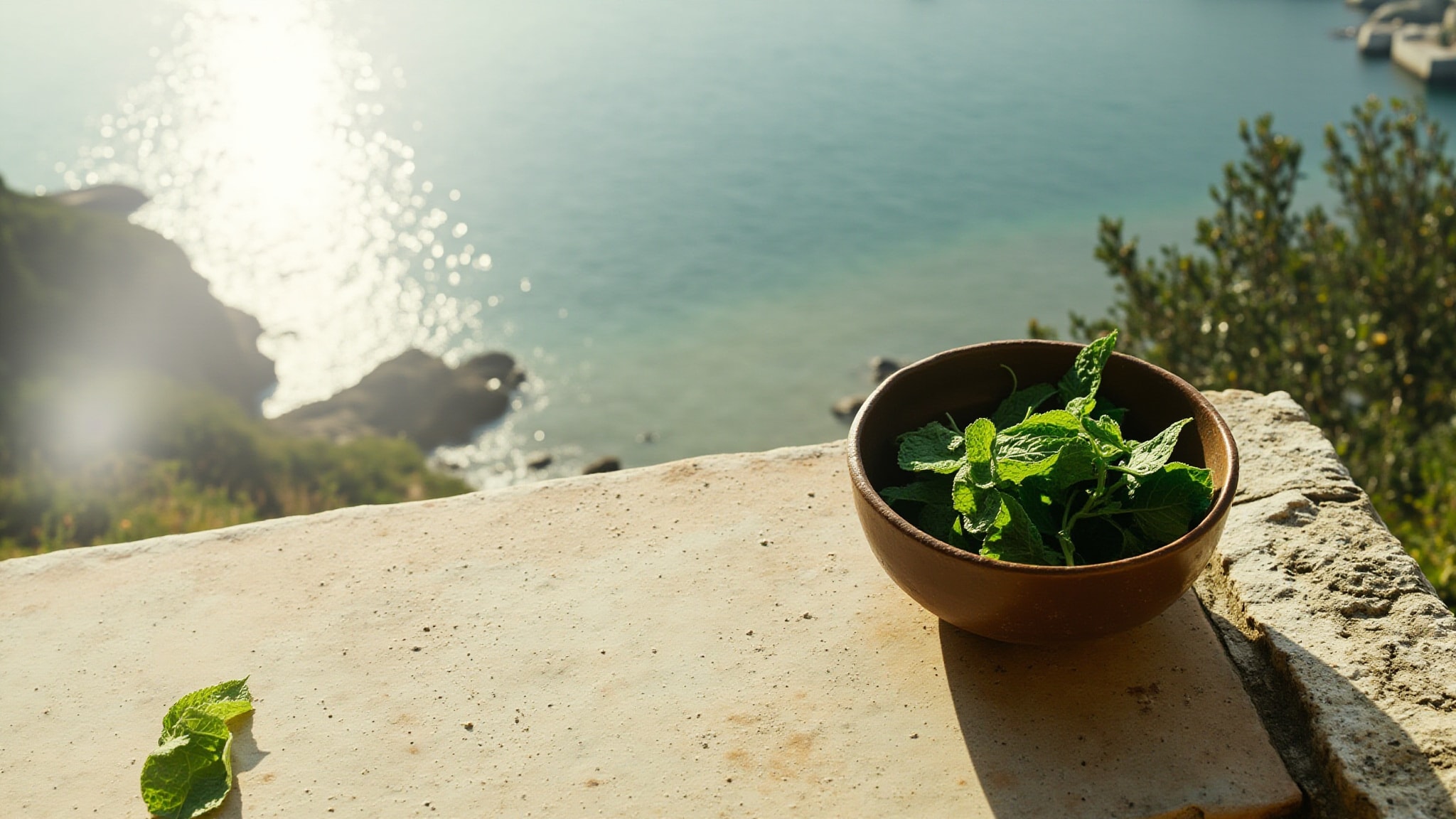
Profumi del Forte carries Tuscan weight in its name: a fortress, a stronghold, a sense of place that doesn't move. Prima Rugiada translates that conviction into the earliest hours. The name means first dew, before the sun takes over, before the heat arrives, when everything in the garden holds its breath. The fragrance draws inspiration from the gardens of Forte dei Marmi, that late May morning when cyclamens, lilies of the valley, and early jasmine fill the air with sweetness, and the dry notes of pine needles arrive as a surprise. The scent of coming rain, the brand writes, exalted every fragrance. The perfume deliquesced by the early morning dew.
Bertrand Duchaufour built this around a paradox: fresh herbs treated as the main event, not a supporting cast. The top accord opens with galbanum's sharp green bite, unmistakably vegetable, almost aggressive, before the citrus and mint arrive to cool it down. Cumin and black pepper introduce an unexpected warmth underneath. This is where most people decide. The heart layers cyclamen's peculiar sweetness against lily of the valley's clean floralcy, with jasmine absolute adding depth and mirabelle plum offering a quiet fruit note that stays almost unconscious. What makes it distinctive is the tomato leaf, used sparingly, but unmistakably. It keeps the florals anchored to something green and real.
The evolution
The opening arrives fast, galbanum, bergamot, and mint hitting simultaneously in a bright, almost startling burst. Thirty seconds in, the cumin arrives and shifts everything toward warmth. That initial green intensity softens within minutes as the florals begin to surface, cyclamen first, then lily of the valley and rose. The tomato leaf keeps things grounded and slightly vegetal throughout the heart, preventing the florals from turning sweet. The drydown takes its time, musk and amber gradually emerge over the second hour, wrapping around cedarwood, vetiver, and oakmoss. By hour four, what remains is close to the skin: a mossy, woody, slightly animalic whisper that someone leaning in might catch but that won't announce itself across a room. On fabric, it lingers longer, the cedar and patchouli hold, taking on a quiet warmth that survives a full workday.
Cultural impact
Prima Rugiada occupies an unusual position: a fresh fragrance that refuses to be safe. The cumin in the opening creates an unexpected aromatic tension, shifting the expected trajectory of a green fragrance into something more assertive. The composition treats aromatic herbs as a centerpiece rather than an accent, with sage, lavender, and thyme taking center stage alongside the citrus and green notes. The name and the dew concept reference a specific sensory moment rather than an abstract mood. Duchaufour's approach, layering green, citrus, spice, and floral against a woody base, creates a composition with depth and evolution.