
The Story
Why it exists.
The beginning
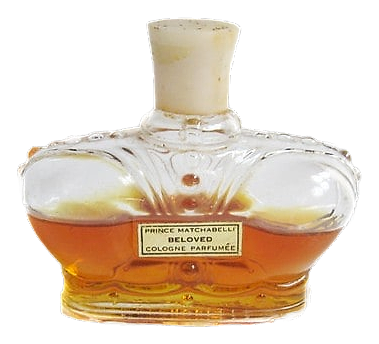
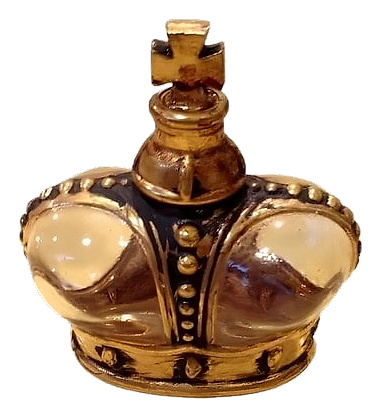
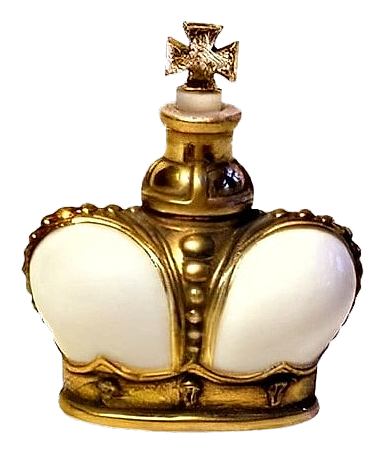
Princess Marie arrived in 1933 from Prince Matchabelli, during the brand's earliest commercial years. The house traced its origins to Manhattan, founded by Georgian Prince Georges V. Matchabelli alongside his wife. Their first releases, Princess Norina and Queen of Georgia, were inspired by and dedicated to his wife, continuing a pattern of personal naming that Princess Marie would follow. The name carries the unmistakable ring of European royalty, translated through a house that had already learned to speak to an American audience. It was part of a portfolio designed for women who wanted something with history behind it, not something that performed novelty.
The composition is built almost entirely around carnation and a broad category of spicy notes, a pairing that defined a particular corner of early 1930s perfumery. Carnation, with its dense, clove-tinged sweetness and almost peppery warmth, was the kind of material that dominated a fragrance rather than blended into it. Choosing it as a centerpiece rather than a supporting note told customers exactly what kind of fragrance they were buying. The result reads as a study in restraint, two note families doing all the talking, and doing it without apology.
The evolution
The opening is almost aggressive in its warmth. The spicy top notes arrive dense and immediate, with none of the polite citrus lift that modern colognes tend to open with. There is no soft entry here. It begins where most fragrances arrive after twenty minutes. For the first stretch of wear, the spice holds the foreground, and the dry, almost powdery quality of the carnation gives the whole composition a slightly dusty texture, like the inside of a cedar chest lined in old fabric. The carnation reads almost waxy at first, dense and concentrated, before it begins to unfold. As time passes, the warmer, rounder facets of the carnation come forward, settling closer to skin, and the initial sharpness softens into something rounder and more enveloping.
Cultural impact
Princess Marie belongs to a small group of early Prince Matchabelli releases from the 1930s, a moment when American perfumery was finding its footing as an industry distinct from the Parisian houses that had long dominated luxury fragrance. Fragrances of this era, built on carnation and warm spice rather than more complex constructions, carry a particular weight for those who encounter them today. Princess Marie has been discontinued, which places it firmly in the territory of vintage hunting rather than contemporary retail, and that scarcity has done nothing to diminish interest in the composition itself.