
The Story
Why it exists.
The beginning
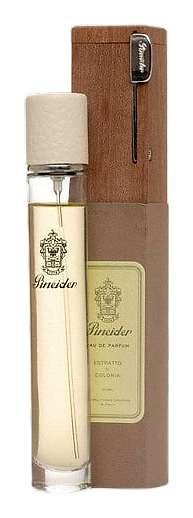
Estratto di Colonia arrived in 2012, a composition built around the architecture of a classic Italian colonia. The brief reads clearly: take the bracing Mediterranean splash of lemon, bergamot, and sage, and give it the weight to carry through a real day. Made in Italy, the scent reflects a certain restraint, a belief that crafted objects should outlast trends rather than chase them. The result is a fragrance that wears its heritage quietly, composed with enough structure to hold its shape from morning into evening without losing the clarity of its opening. There's a discipline in how the citrus is handled, bright enough to cut through the first hour, anchored enough to settle into something softer without becoming anonymous.
What makes Estratto di Colonia distinctive isn't any single note. It's the calibration between top and base, the invisible architecture that holds the whole thing together. The opening is all Italian zest, lemon, bergamot, and green mandarin given herbal lift by sage, the kind of brightness that could evaporate in an hour if left unsupported. But sandalwood and amber at the base are doing quiet structural work, giving the citrus something to lean on without ever stepping forward to claim attention.
The evolution
The first thirty minutes are a bright, almost theatrical lemon and bergamot, with green mandarin lending a slightly bitter rind character and sage pulling it toward something more herbal than your average splash. This isn't a polite opening. It announces itself with the kind of clarity that asks for attention, citrus stacked on citrus with the green peel note giving it texture rather than sweetness. As the first hour passes, the white florals arrive, jasmine's warmth threading through the residual citrus, white rose adding a clean, almost powdery sweetness that softens the composition without dulling its edges. The transition is gradual, never abrupt, the florals sliding in beneath the citrus rather than replacing it outright.
Cultural impact
Estratto di Colonia wears well on people who reach for it knowing exactly what they want. It's a refined, classical composition that doesn't announce itself across a room or compete for attention at a crowded gathering. The fragrance suits someone who reads more than they post, who reaches for a linen jacket before a logo, who values the quiet pleasures of a well-made object over the spectacle of a loud one. There's nothing performative about it. The scent asks you to slow down and pay attention to what's already there, to notice the way the citrus settles into the sandalwood, to appreciate the calibration between freshness and warmth.