
The Story
Why it exists.
The beginning
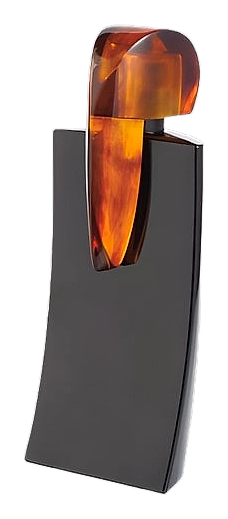
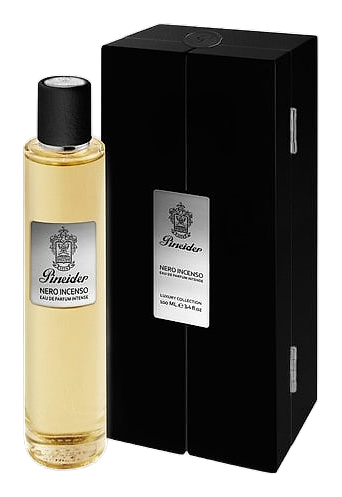
Nero Incenso emerged from Farmacia SS. Annunziata's ongoing study of raw materials, specifically, what happens when you treat incense as an ingredient rather than a statement. The house has worked with resins since the 16th century, sourcing frankincense and myrrh through the same regional networks it built selling medicinal botanicals to Florentine physicians. By 2014, when this fragrance launched, the brand had decades of incense knowledge to draw from. The challenge was simple: make something that smelled like the real material, not a simulation of it. The citrus top was the answer, a counterweight to keep the smoke from becoming theatrical.
What makes the structure interesting is the herbal mid-section. Basil and coriander don't typically sit beside incense in a pyramid, basil especially tends toward freshness or green themes, not smoke. But here, they're the aromatic bridge between citrus and resin. The coriander adds a faint spice that mirrors the incense rather than competing with it. The result is a fragrance where smoke never dominates outright; it negotiates with the other materials throughout the wear. Palisander rosewood in the base is another unusual choice, less common than sandalwood or cedar, it adds a warm, slightly exotic wood note that pairs differently with smoke than a typical woody drydown.
The evolution
The opening hits citrus first, bergamot sharp, orange soft. Within minutes the incense arrives and the citrus retreats. The basil and coriander become apparent around the 15-minute mark, adding a green-herbal tension that keeps the smoke from reading as pure incense stick. There's a brief phase where the composition feels almost medicinal, a quality that fits the apothecary heritage but might read as odd on first spray. By the second hour, the incense settles into something warmer, more balsamic. The rosewood emerges in the base and stays, it doesn't overpower, but it extends the drydown significantly. On most skin types, the final phase holds for 4-6 hours. The next day, there's a faint trace on fabric: warm wood and resin, nothing sharp.
Cultural impact
Nero Incenso arrived in 2014 during a resurgence of interest in smoky, resinous fragrances that began in the early 2000s with releases from Comme des Garçons and Serge Lutens. Farmacia SS. Annunziata, tracing its roots to 16th-century Florentine herbalism, positioned this fragrance as a continuation of Italian olfactory traditions rather than a trend follower. The house's decision to pair incense with culinary herbs like basil and artemisia reflected a broader movement in niche perfumery toward unexpected combinations. The 2014 launch coincided with increased global interest in artisanal Italian products, allowing the fragrance to benefit from renewed attention to heritage brands.