






Heritage
A house, in its own words
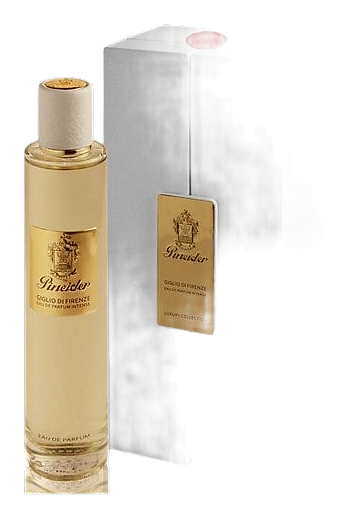
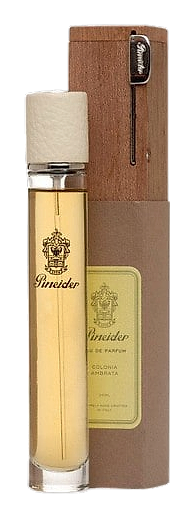
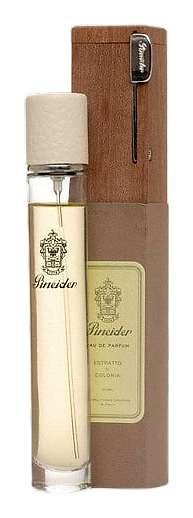
The story of Pineider begins in 1774 when Francesco Pineider opened his first workshop in Florence, Italy, establishing the house at a pivotal moment in European cultural history. Located in the prestigious Piazza della Signoria, the workshop specialized in producing exclusive hand-engraved personalized paper, each piece hand-worked by skilled local artisans who understood that paper could possess the permanence and value typically reserved for more substantial works of art. This founding principle of transforming everyday objects into treasures of enduring quality would guide the house for more than two centuries. Francesco Pineider recognized that the written word deserved a worthy vessel. His personalized stationery became sought after by Florentine nobility and visiting intellectuals, establishing the house's reputation for excellence in craftsmanship and attention to detail. The founding year of 1774 places Pineider among the oldest continuously operating houses in Florence, a city renowned for its preservation of artisanal traditions. While other European houses like Houbigant in France trace their origins to this same era, Pineider's distinctly Italian identity emerged from its Florentine roots. The transition from stationery to perfumery represents a natural evolution for a house built on sensory excellence and the art of creating meaningful objects. Luca Maffei, a highly regarded Italian perfumer, created his first fragrance composition, Cuoio Nobile, for Pineider in 2011, marking the house's formal entry into the world of luxury fragrance. This collaboration established a pattern of working with talented Italian perfumers who could translate the house's heritage into olfactory form. The fragrance collection that followed included compositions such as Bianco di Bulgaria, Assoluta Di Neroli E Gelsomino, Classica di Magnolia, and Colonia Ambrata, all appearing in 2012, demonstrating a rapid expansion of the perfumery line. Subsequent years brought new releases including Orchidea Reale in 2014, Oud Assoluto in 2014, Giglio di Firenze in 2016, and Nero Incenso in 2018, each building upon the house's established aesthetic. Pineider approaches perfumery as an extension of its foundational belief that crafted objects should carry meaning and permanence. The house applies to fragrance the same standards it has upheld for paper and leather goods since the eighteenth century, treating each scent composition as an artifact worthy of contemplation and long-term appreciation. This philosophy rejects the transient in favor of the enduring, creating perfumes intended to become signatures rather than seasonal novelties. The creative direction draws heavily from Florentine culture and Tuscan landscapes, seeking to capture in liquid form the essence of a city that has shaped Western art, architecture, and intellectual tradition. Rather than chasing international trends, Pineider's perfumers reportedly work with a sense of regional specificity, incorporating ingredients and accords that reflect Italian tradition. The house values complexity and depth, evidenced by compositions like Nero Incenso, which explores the aromatic dimension of incense, and Cuoio Nobile, which reimagines leather as a refined note rather than a bold statement. Pineider's approach to fragrance also reflects the house's stationery heritage through an emphasis on correspondence and memory. Just as handwritten letters carry emotional weight that digital communication cannot replicate, the house believes scent should evoke specific moments and feelings with precision and authenticity. This perspective guides the development of perfumes that tell stories, whether through the imagery of Florentine gardens, the warmth of Tuscan amber, or the sophisticated character of noble materials. The philosophy ultimately centers on creating olfactory works that honor the craftsmanship tradition while speaking to contemporary sensibilities.