The Story
Why it exists.
The beginning
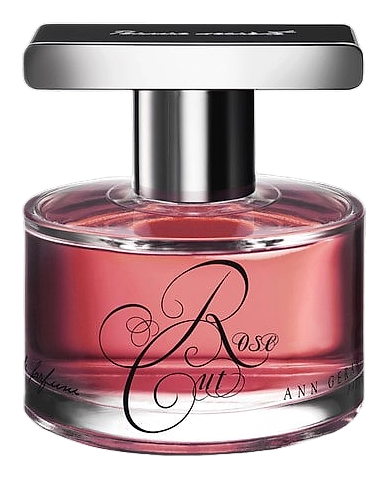
Bertrand Duchaufour and Ann Gerard share an appreciation for precision. When she asked him to build a rose, he didn't reach for the obvious gesture. Rose Cut started as a study in contrast, a fragrance that cuts like a gemstone, not one that blooms into softness. The aldehydes were his answer: cold light, mineral clarity, the smell of something precious and angular. Rum and pink pepper warm the opening without softening it. The whole structure follows the logic of a chypre, the old architecture that allows a rose to be many things at once, beautiful, yes, but also deliberate. Oakmoss and benzoin anchor the composition, giving it weight and a resinous depth that feels far removed from the fleeting quality of lighter florals. A rose with backbone.
The aldehydes in Rose Cut arrive cold and crystalline, shimmering with an almost metallic quality that reads as both vintage and contemporary. Around them, rum and pink pepper create a warm, spicy halo that prevents the opening from feeling austere. The rose itself sits high in the heart, supported by patchouli that adds an earthy, slightly bitter counterweight to its floral richness. Peony rounds the florals without diluting them, keeping the heart composed and deliberate rather than sweet.
The evolution
The opening hits in the first minutes: aldehydes cold and crystalline, rum warmth creeping in around the edges, pink pepper a clean bright thread. There's no transition, the aldehydes simply recede, like light moving across a surface. The rose appears, supported by patchouli and peony in a heart that smells neither sweet nor green but warm and settled. The drydown belongs to the oakmoss, dark, resinous, slightly bitter in the way of old chypres, with benzoin and vanilla adding sweetness underneath. The balsamic base remains: warm, resinous, faintly sweet. On fabric, the drydown extends and the benzoin and moss notes persist, creating a lingering trail.
Cultural impact
Rose Cut belongs to the chypre tradition, with aldehydes and rum setting it apart from conventional rose fragrances. The oakmoss base gives it architectural depth, while the rose note remains prominent without tipping into sweetness. It's a fragrance for those who appreciate structure and complexity over straightforward florals.