The Story
Why it exists.
The beginning
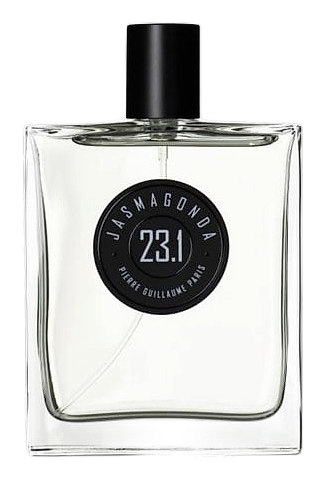
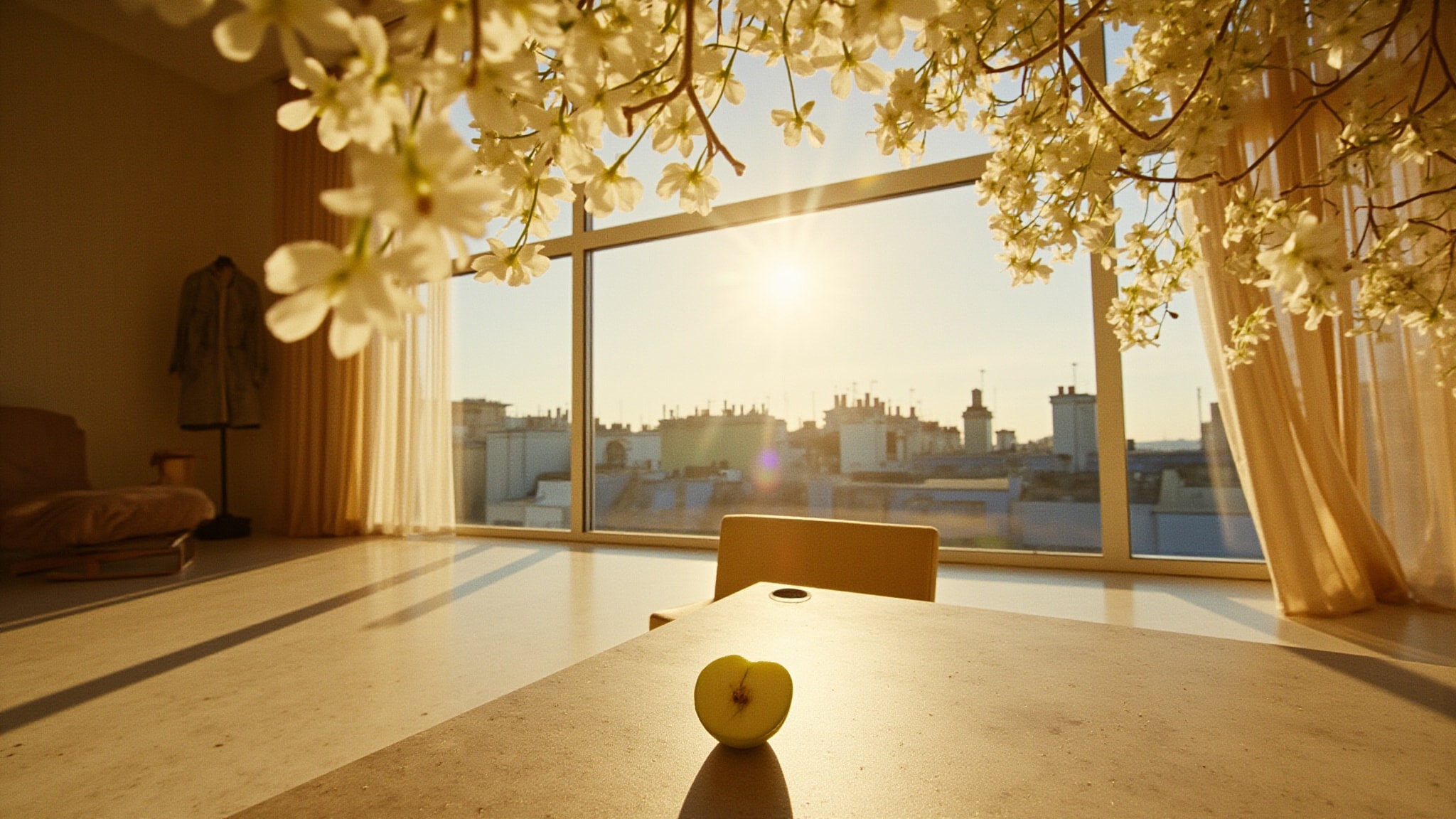
Jasmagonda 23.1 landed in 2018 as the twenty-third chapter in Pierre Guillaume's ongoing collection, a thread the perfumer first picked up in 2007. Each numbered release tackles a single material through a different lens, and this one reaches for jasmine from an unexpected vantage. Guillaume's idea was to re-imagine the flower from above, from the perspective of a hot-air balloon drifting over plantations, canopy brushing the basket. The name itself is a coinage, part jasmine, part an echo of Agonda, beaches that seem to drift into the same sonic space as the flower, but the geography is suggestion, not map. There is no literal coastline here, just the resonance between a stretch of sand and a white blossom that opens at dusk.
What makes this jasmine worth a second chapter is the structural choice underneath it. Guillaume pulls the composition toward the green, aerial register, building a jasmine that reads like vegetation rather than bouquet. Himalayan cedar gives it a tall, dry skeleton, a wood that smells like pencil shavings and mountain air rather than resin. Magnolia adds the silky, lemony lift, that soft citrus peel folded into cream.
The evolution
The first thirty minutes belong entirely to the top, bergamot and grapefruit snapping bright alongside a crisp apple that smells closer to the skin of the fruit than to juice. Then the jasmine arrives, but not as a wall. It comes in sideways, woven through magnolia and a flicker of aquatic coolness that keeps everything suspended. Cedar shows up quietly around the one-hour mark, holding the structure from beneath without ever announcing itself. The drydown takes its time. Tonka bean and vanilla settle into a soft, powdered warmth that smells faintly of sunlit wood and skin after a long walk. The whole arc leans linear and bright rather than dramatic, and the base can outlast the heart by hours, a clean, gentle trail that stays close to the skin long after the jasmine has drifted away.
Cultural impact
Jasmagonda 23.1 makes its case by going against type within the jasmine tradition. Where the flower often arrives as a dense, almost animalic centerpiece, this one builds altitude, treating jasmine as vegetation rather than confection. The composition reads airy on first spray, almost like crushed leaves and stem-green before the white floral warms into view. Magnolia adds a lemony sheen, and Himalayan cedar lays down a dry, pencil-shaving skeleton that keeps the whole thing from drifting into sweetness.