The Story
Why it exists.
The beginning
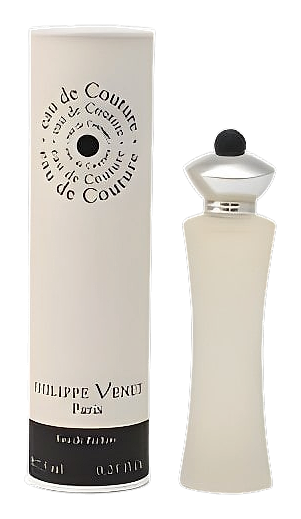
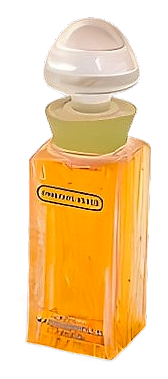
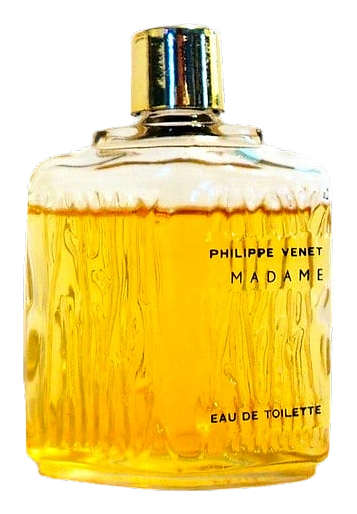
Madame appeared in a period when Philippe Venet's house was known for measured restraint in everything it produced. Sources place the launch in the mid- to late 1960s, with some databases recording 1965 and others 1968, which alone tells you something about how quietly it entered the room. Madame did not arrive with fanfare. No advertising splash, no cultural moment stitched onto its debut. It simply appeared, and the women who found it tended to keep it. The composition bears that quietness. Every note present has a job. Nothing crowds the formula, nothing competes for the listener's ear. Reading the list, galbanum, bergamot, jasmine, rose, oakmoss, sandalwood, amber, musk, you can feel the architecture before you've smelled a thing.
Galbanum and bergamot up top, then jasmine and rose at the heart, anchored by oakmoss, sandalwood, amber, and musk. That's the skeleton of a classic green chypre, and the proportions are what matter most. The galbanum isn't just an accent; it leads. And the moss-sandalwood base doesn't get buried under sweetness. What distinguishes Madame is how those proportions register on skin. The galbanum announces itself in that cold, almost metallic register, the smell of a stem snapped between fingers, and the bergamot sits beside it like a softer counterpoint without ever rounding it off.
The evolution
The first ten minutes belong to galbanum and bergamot. The galbanum arrives sharp, almost metallic, like the smell of a stem snapped between fingers. Bergamot softens the edges but doesn't blunt them. Together they read as cold green, bracing, not cold as in temperature but cold as in unsmiling. That opening is the loudest the fragrance ever gets, and even at full volume it holds itself back, a measured declaration rather than a shout. Then the jasmine and rose push through. Not dramatically. More like someone turning down a lamp. The green recedes, the florals rise, and for a stretch the composition reads almost classical chypre, powdered, warm, familiar. The jasmine and rose spend a long stretch in conversation, neither one dominating, and they soften the formula's angularity without diluting it.
Cultural impact
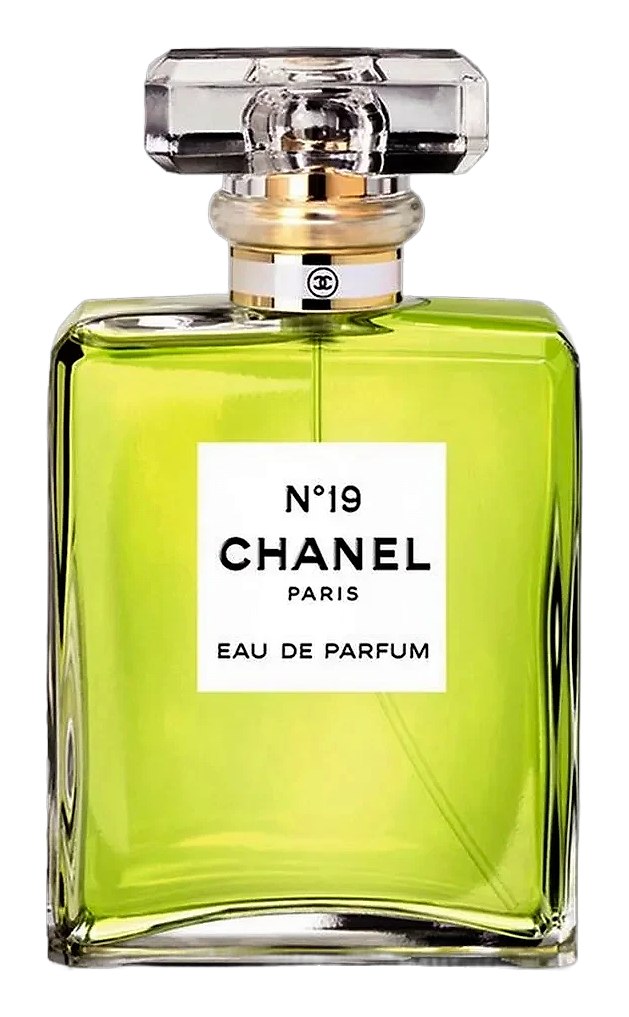
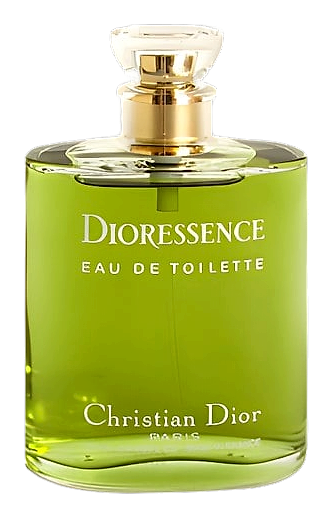
Madame belongs to the family of green chypres that shaped perfumery in the 1960s, the era when galbanum-forward compositions were considered serious, almost architectural achievements in scent. Wearers familiar with that tradition describe Madame as a fragrance that rewards patience, and the description tends to follow a predictable arc: the opening is the challenge, the drydown is the payoff. In a category where sweetness often wins by default, Madame's bracing green entry is the thing that separates it from anything soft or crowd-pleasing.