
The Story
Why it exists.
The beginning
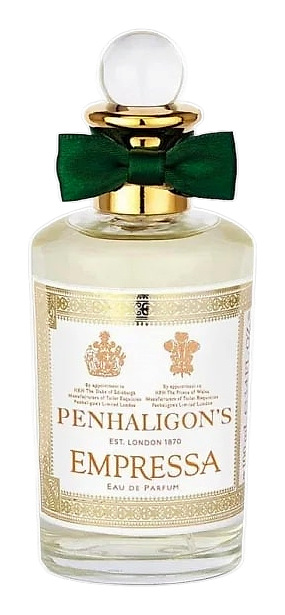
Empressa arrived in 2014 as part of the Penhaligon's Trade Routes collection. Mike Parrott composed it, and the name says its piece plainly. Empressa is Portuguese for empress, and the fragrance wears its ambition without apology. Parrott built it on a fruity-floral architecture that leans generous rather than restrained, a fruity-floral accord weighted toward juicy, ripe fruit rather than the polite white petals that often dominate this category. What stands out on first encounter is the fruit itself. The opening citrus gives way to a peach-and-blackcurrant heart that feels almost edible, the kind of sweetness that suggests a bowl of overripe stone fruit left in warm sun.
What makes the composition worth attention is how the fruit and warmth actually interact on skin. Blood orange and bergamot open with the brightness of citrus squeezed into afternoon light, but the heart deliberately pulls toward warmth. Peach, blackcurrant, and a dewberry note give the fruit a ripe, almost liquefied quality, the kind of sweetness that reads as fruit rather than candy. Then pink pepper and cardamom cut through with a dry flicker that prevents the composition from tipping into simple syrup territory.
The evolution
The first twenty minutes are all about light. Blood orange and bergamot hit bright and almost effervescent, the citrus notes announcing themselves with the kind of clarity that demands attention. Mandarin softens the edges, rounding out the sharper citrus bite. Then the fruit deepens as peach and blackcurrant arrive, joined by rose and neroli, the neroli threading a green floral lift through the juicier notes. By the two-hour mark, the composition shifts noticeably. The spice notes, including pink pepper, black pepper, and cardamom, surface with more authority, and the geranium lifts the heart into something more complex and slightly peppery. The fruit recedes but never disappears entirely, lingering as a warm, fleshy sweetness beneath the spice. In the final hours, what remains is the base architecture. Patchouli and cocoa do most of the talking, with vanilla and a soft musk underneath.
Cultural impact
Empressa holds an interesting position in fragrance conversations. Several wearers have compared it to Coco Mademoiselle, noting similarities in the bright citrus-and-peach opening, though Empressa's cocoa-and-frankincense base gives it a different weight and warmth underneath. That comparison has made it a frequent recommendation for anyone who loves the polished, fruity-floral style but wants something with a richer, more resinous foundation. Beyond the comparison, what Empressa brings to the conversation is its willingness to be bold. The composition doesn't try to be subtle or crowd-pleasing in a muted way.