The Story
Why it exists.
The beginning
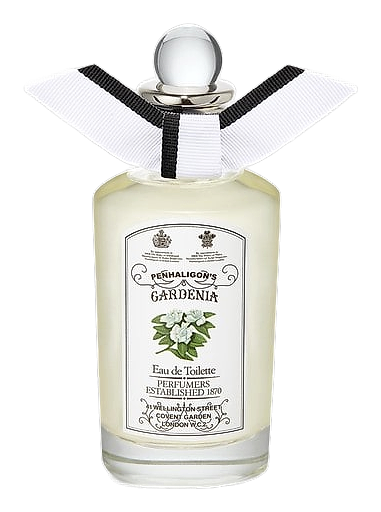
Gardenia arrived in 1976, composed by Michael Pickthall for Penhaligon's. The gardenia itself became the subject. The lactones that give gardenia its creamy, almost buttery warmth were held in place by green and tempered by spice, creating a floral that felt both lush and grounded. The 2009 revision by Mike Parrott kept the structure intact, maintaining the balance of creamy bloom and cool green that defined the original. The composition emphasizes the flower's natural character, its buttery warmth softened by herbaceous undertones that keep the scent from feeling heavy or overwrought.
What makes Gardenia unusual is the restraint. White florals often announce themselves loudly, tuberose especially demands attention. Here, the gardenia leads but doesn't overpower. The rhubarb and violet leaf in the opening keep things green and slightly tart, so the creaminess never becomes cloying. The spice in the heart (cinnamon, clove) adds warmth without heat. By the time the drydown arrives with benzoin and sandalwood, the composition has moved from garden to evening without ever feeling forced. It's a gardenia that knows when to be quiet.
The evolution
The opening arrives green and immediate, violet leaf, rhubarb, a flash of bergamot brightness cutting through the garden greens. Within minutes, the gardenia unfolds. Creamy, full-bodied, slightly animalic in the way real gardenia can be. The tuberose and jasmine follow, layering the white floral heart until it feels lush without being heavy. The full, sincere bloom wears like a smile. The drydown is powdery and warm. Sandalwood, benzoin, a whisper of vanilla. Musk that stays close to the skin. The scent evolves gracefully from its bright, green opening through its creamy floral heart and into its soft, skin-close drydown, showing how each layer builds upon the last as the hours pass.
Cultural impact
Gardenia represents a landmark in British perfumery, launched in 1976. Its creation by perfumer Mike Parrott coincided with a period when gardenia was used as a signature note in the collection. The fragrance predates many of its comparison points. Its 2009 revision as part of Penhaligon's Anthology Collection brought renewed attention to the original composition, keeping it available for new audiences to discover. Gardenia's continued presence in the line speaks to its enduring appeal, offering a classic example of how a well-crafted floral can remain relevant and cherished across different eras of fragrance fashion.