The Story
Why it exists.
The beginning
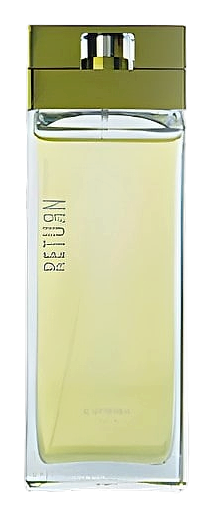
Panouge built Return in 1990 with a focus on how individual materials interact. The Narcissus and Palm Tree in the opening aren't merely decorative, they establish the fragrance's direction. They create a green, slightly bitter counterweight to the richness of gardenia and rose, giving the heart something to push against. Narcissus contributes a fresh, almost medicinal quality that is uncommon in perfumery. Palm Tree adds an exotic, coconut-tinged green note that is rarely encountered. Together they set a tone that is neither polite nor predictable, establishing the composition's character before the heart notes fully emerge.
The uncommon Narcissus and Palm Tree pairing is what distinguishes this composition. Narcissus brings a fresh, slightly bitter green quality that is unusual in perfumery, sometimes described as medicinal in character. Palm Tree adds an exotic, almost coconut-green note that is rarely used in mainstream fragrances. Together, they create an opening that refuses to be conventional. The oakmoss base anchors everything in cool, mossy depth, grounding the white florals and preventing them from becoming linear and overly sweet.
The evolution
The drydown is where Return finds its true character. The Narcissus fades, the green, slightly bitter edge softening as the gardenia and rose open fully. The heart becomes almost buttery in its richness, the blackcurrant adding a subtle tartness that keeps the florals from cloying. As time passes, the gardenia takes on a more rounded quality, its creaminess deepening while maintaining its presence. The rose unfolds gradually, revealing powdery undertones that add complexity without overwhelming. Then oakmoss settles in, cool and mineral, pulling the composition toward something grounded rather than airy. This mineral quality gives the base a slightly earthy character that contrasts with the florals above. Musk appears in the base, adding warmth that stays close to the skin.
Cultural impact
Return launched in 1990, a time when many fragrances leaned toward sweeter profiles and aquatic notes. The Narcissus and Palm Tree opening positioned this as a white floral with a green, almost botanical character. It offered something different from the prevailing trends of its era, with a material-driven approach that prioritized how ingredients interact over how they might fit a particular category. The unusual combination of bitter greens with lush white florals created a fragrance that stood apart from conventional releases. It found its audience among those who appreciated a more complex composition.