The Story
Why it exists.
The beginning
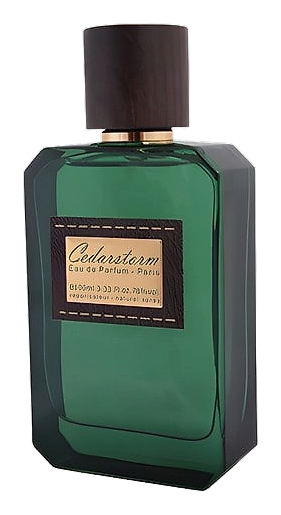
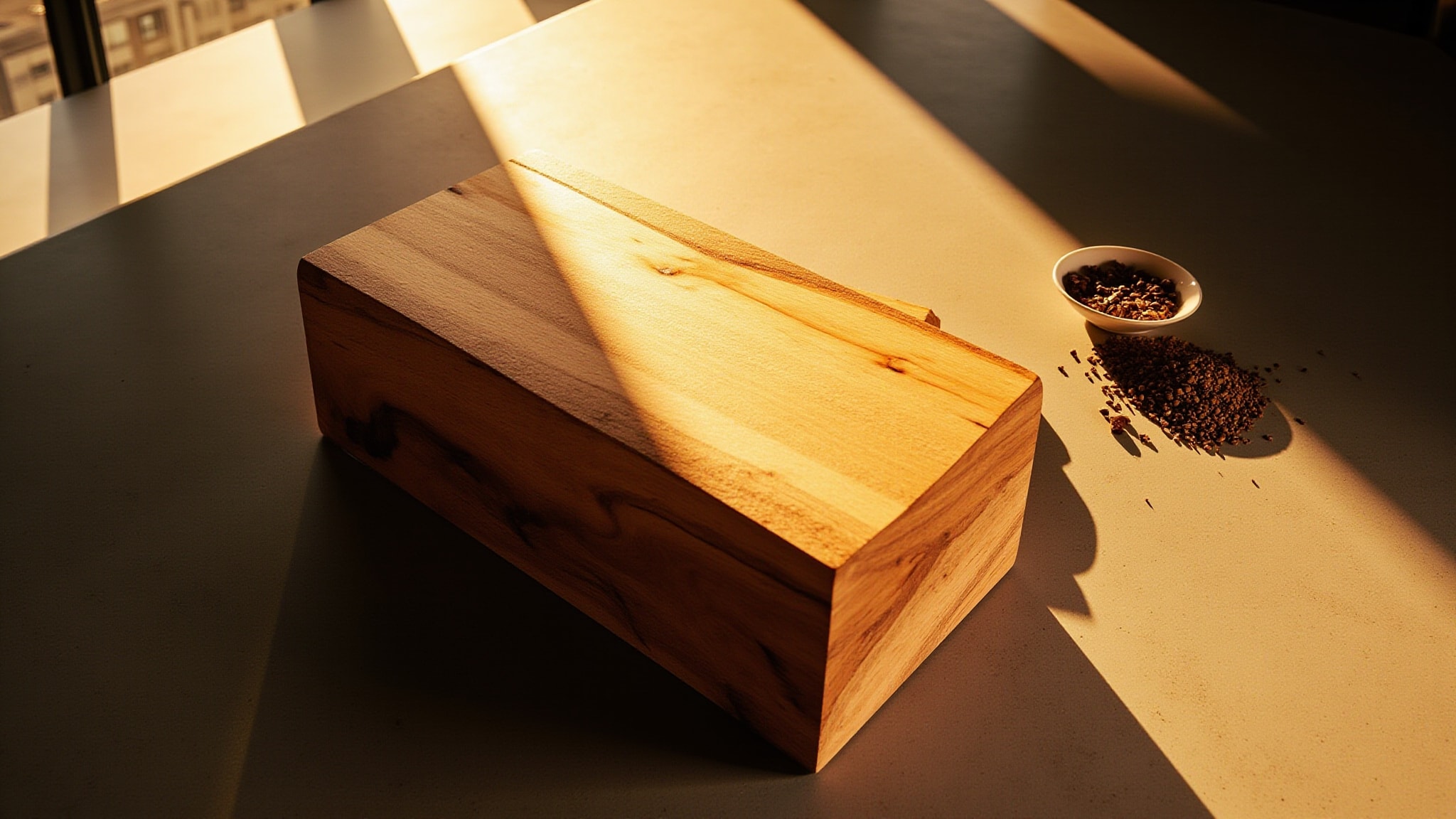
Jean Jacques designed Cedarstorm for experienced wearers who understand that a fragrance doesn't need to announce itself. The name promises drama, but the 2013 composition delivers restraint, a quiet counterargument to the era's louder masculine fragrances. This is cedar as a second skin, not a statement.
The real story here is balance. Cedar often swings masculine, pencil shavings, freshets, sharp. But Jean Jacques builds it into a warm, almost powdery heart using cloves and nutmeg as transition materials. The black pepper opening isn't aggressive; it's the handshake before the real conversation starts. Ambergris in the base does quiet work, it doesn't scream animalic, it deepens. That's the difference between a cedar fragrance and a cedar personality.
The evolution
The opening hits crisp: black pepper's spice against bergamot's citrus brightness. Neither dominates, they wait for the cedar. Thirty minutes in, cedar takes the stage and doesn't yield it. The cloves and nutmeg add warmth without sweetness. By the second hour, sandalwood enters, and the drydown becomes something powdery and warm, close to skin, intimate rather than announced. The frankincense adds a faint smoky resin that lingers past hour four. On fabric, it holds through evening.
Cultural impact
Cedarstorm cultivated a following among wearers who prefer intimacy over projection. It's the kind of fragrance that works when you're tired of filling rooms, that gets discovered and kept rather than announced. While discontinued, it remains sought after by those who found it. Its modest presence became its defining strength.