
The Story
Why it exists.
The beginning
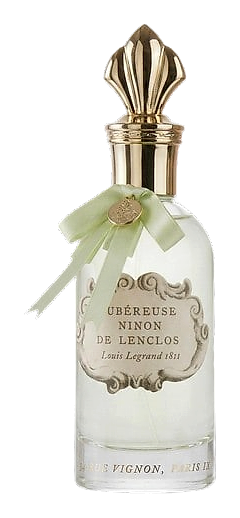
Named for Ninon de Lenclos, the only source reference being that Fargeon's creams and powders were destined for her. This is a modern reinterpretation of a perfume created by the House during the nineteenth century, and the fragrance sits within the Legrand 1811 collection. Hugo Lambert is the listed perfumer. The brief, as the archive frames it, centers on a tuberose composition rooted in the brand's historical language, composed with a sensibility aimed at the contemporary wearer. Oriza L. Legrand's approach here leans into the tension between archival reference and modern wearability, treating the white floral not as a museum piece but as a living composition.
Tubéreuse Ninon de Lenclos threads a third path, treating tuberose as a creamy floral rather than a fleshy one. Iris butter adds the suede-like softness that lets the bloom sit on skin instead of floating above it. The neroli and bergamot aren't just top notes; they keep the composition honest, preventing the warmth below from tipping into pure dessert territory. The result is a tuberose that reads more like cool silk than like overripe gardenia, a white floral with restraint rather than abandon.
The evolution
The first few minutes belong to the citrus: bergamot and mandarin lift off bright, slightly sharp, with the pink pepper adding a flicker of warmth that reads almost like sunlight on linen. Neroli threads through, green and honeyed at once. The florals then take the wheel. Tuberose arrives wrapped in jasmine sambac and orange blossom, and the texture turns unmistakably creamy, like cool silk under fingertips. Ylang-ylang and iris butter press in from the edges, adding the powder-adjacent roundness that makes the heart feel less like perfume and more like a room someone just left. The base notes begin their slow takeover. White musk anchors everything, bourbon vanilla adds warmth without sweetness, and benzoin deepens the finish into something resinous and faintly smoky. The sandalwood and amber ground it.
Cultural impact
Tubéreuse Ninon de Lenclos sits in an unusual corner of the floral category. The source describes it as a modern reinterpretation of a perfume created by the House during the nineteenth century, part of the Legrand 1811 collection. Wearers tend to be people drawn to white florals who want presence without performance, something that reads refined rather than retro. The fragrance treats tuberose as a creamy floral rather than a fleshy one, and that choice sets it apart from the more narcotic or soapy interpretations.