The Story
Why it exists.
The beginning
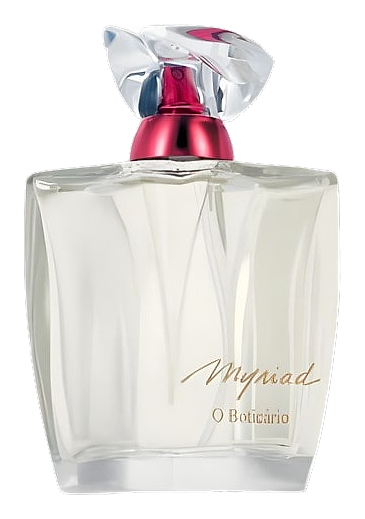
Malitzia arrived in 1988 from O Boticário, the Brazilian house that opened its first pharmacy in Curitiba in 1977 and spent the following decade building a catalogue rooted in local flora and accessible luxury. By the late 1980s the brand had moved beyond its original pharmacy concept into a national perfume story, and Malitzia was part of that expansion. The composition leans into an idea of a garden turned up past comfortable, where every blossom is open at once and the fruit has gone soft in the heat. Tuberose sits at the center, framed by a cast of white florals that includes gardenia, jasmine, ylang-ylang, and orchid. Apricot and peach open the door with a fleshy, sun-warmed sweetness that reads almost confectionery before the florals surface.
What makes Malitzia's structure worth noticing is the weight it puts on the white floral heart. Tuberose anchors the composition with its full-bodied, almost carnal character, and the supporting florals do not compete so much as crowd in around it. Gardenia adds a lush, waxy depth, its cool creaminess offset by something faintly green. Jasmine brings its indolic sweetness, a note that reads as much animal as floral, lending warmth and a slight edge. Ylang-ylang contributes a custardy richness that softens everything around it.
The evolution
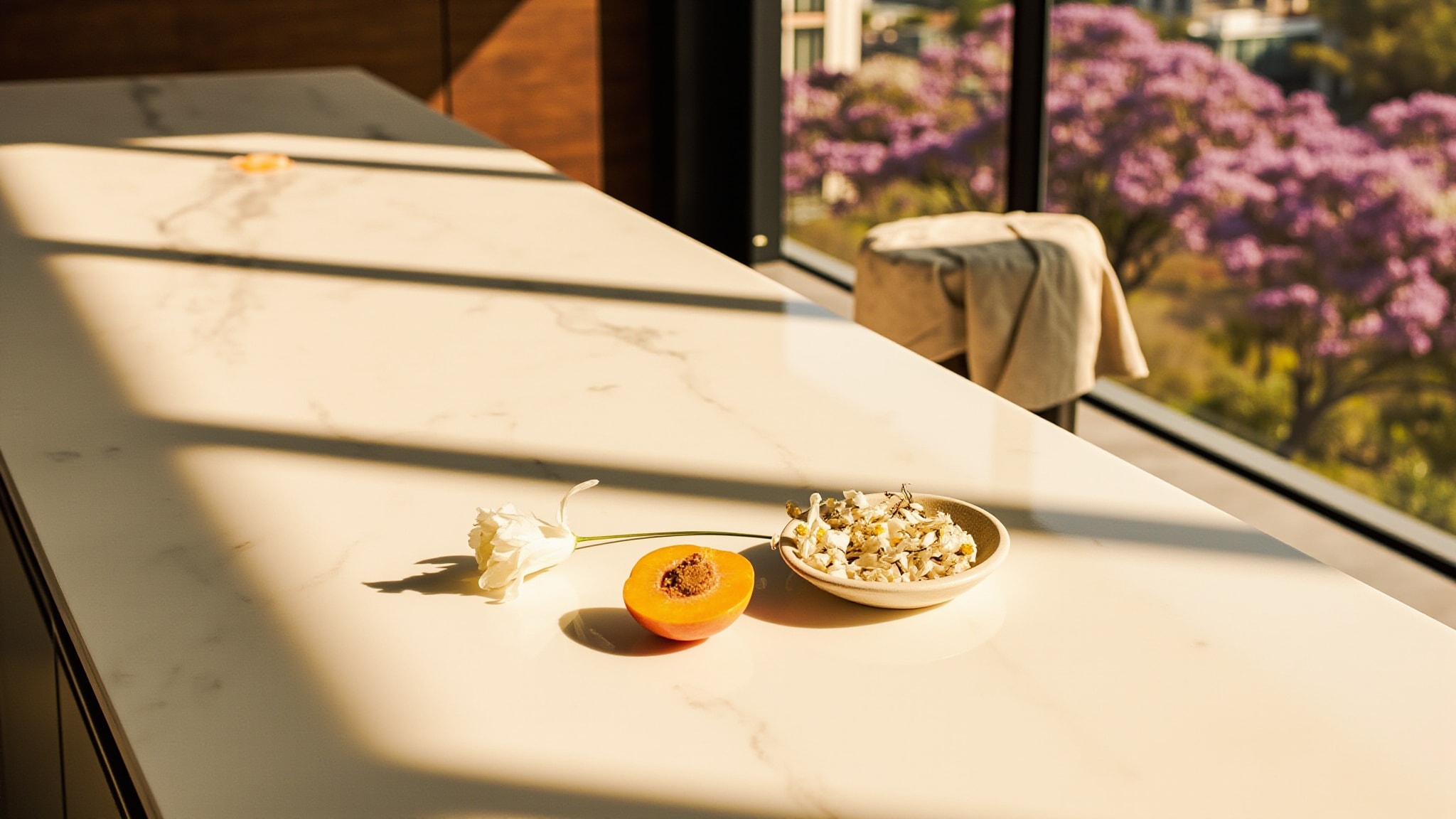
The opening moments are almost edible. Apricot and peach sweetness, lifted by orange blossom, reads like a fruit bowl left in the afternoon sun, syrupy and pulpy and just beginning to ferment at the edges. Then the florals arrive, and they arrive collectively, a wave rather than a parade. Tuberose leads with its full, fleshy presence, with gardenia and jasmine filling the spaces around it, ylang-ylang adding a custardy, almost confectionery undertone, and orchid softening every sharp line. The accord here is dense and creamy, almost like warmed cream poured over petals, heavy and slow-moving in the best possible way. The white florals do not separate cleanly; they mingle and blur, each one borrowing from the next until the whole reads as a single impression.
Cultural impact
Released in 1988, Malitzia sits within a decade that saw O Boticário push outward from its pharmacy origins into fragrance on a national scale. As a composition, it commits fully to the white floral, leaning hard on tuberose as its center of gravity rather than scattering attention across a dozen lighter notes. The fruit-peach opening gives it an inviting sweetness that pulls you past the threshold, and a warmer ambery base keeps the density from feeling cold or austere. The result is a confident, full-figured white floral that wears close to the skin and lingers in memory.