
The Story
Why it exists.
The beginning
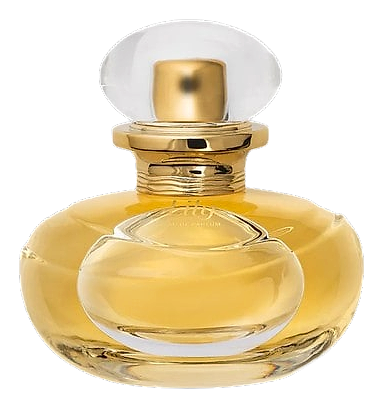
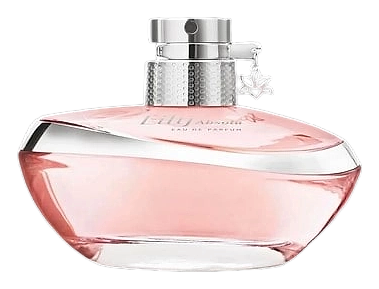
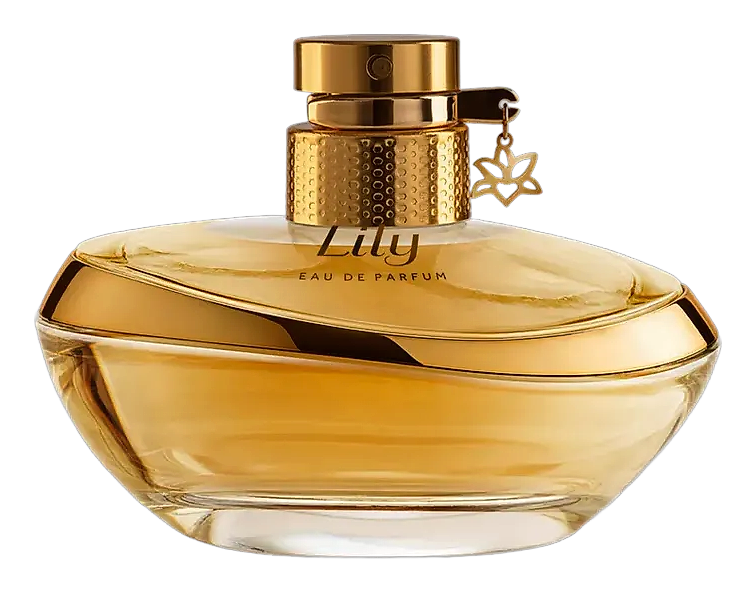
O Boticário grew from a pharmacy in Curitiba into Brazil's most recognized fragrance house, building two hundred scents around one consistent argument: Brazilian botanicals deserve a seat at the global perfumery table. The brand draws on regional biodiversity, sustainable sourcing, and a philosophy that fragrance should feel rooted. Lily Eau de Parfum arrived in 2017 as an answer to a question the brand had been asking since the seventies: what does a white floral smell like when it is not trying to prove anything? The answer came signed by perfumer Clément Gavarry, who spent time translating the texture of lilies into a composition that lets each note breathe without forcing the floral to shout above its surroundings.
Lily's structure is a study in restraint. The stone-fruit opening gives way to a white floral heart that feels botanical rather than synthetic, and the warm drydown exists only to extend the florals' life without dominating them. Each tier serves the next: the fruity opening attracts, the floral heart convinces, and the woody-musk base ensures the memory lingers close to the skin. The combination of peach, apricot, and osmanthus in both opening and heart creates a deliberate echo, a through-line that makes the fragrance feel cohesive rather than segmented. For those seeking a white floral that behaves like a second skin, Lily delivers that argument without needing to shout it.
The evolution
Lily begins with bright, juicy honesty. Peach and apricot arrive clean and dewy, pear adds textural weight, and mandarin orange keeps the citrus element playful rather than sharp. Pink pepper whispers at the edges, hinting at complexity to come. As the minutes pass, the heart opens like a garden gate: lily asserts its presence with characteristic crispness, jasmine and gardenia provide creamy counterpoint, and osmanthus ties the transition with its own fruity-floral character. Rose, violet, iris, and narcissus add layers without crowding the stage. The drydown shifts from garden to forest floor, warm and close, musk and vanilla wrapping the florals in skin-like comfort while sandalwood, amber, patchouli, moss, and vetiver provide the earthy, woody foundation that keeps everything grounded.
Cultural impact
Since 2017, Lily Eau de Parfum has quietly become one of the most worn florals across Latin America. The community describes it as feminine and elegant, with a clean soapy texture that earns consistent compliments. It sits comfortably in the winter-fall bracket but performs well across spring evenings. What keeps people returning isn't novelty, it's reliability done beautifully.