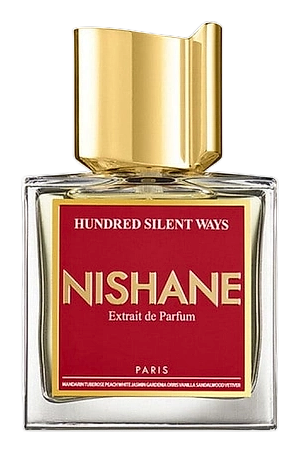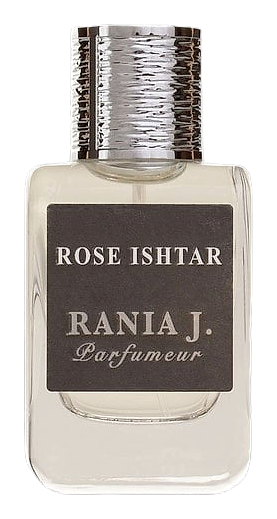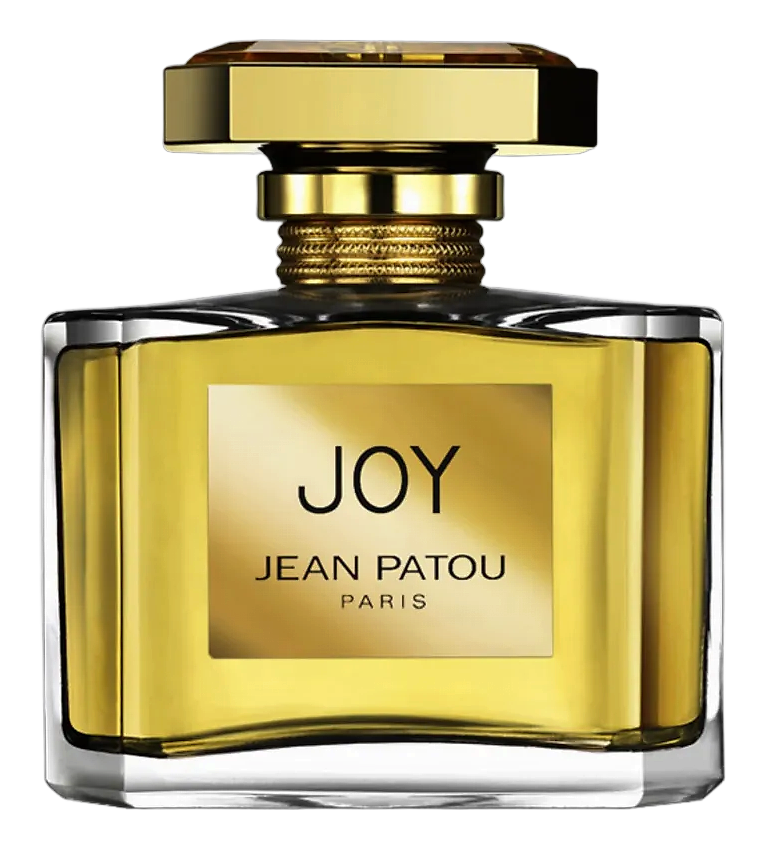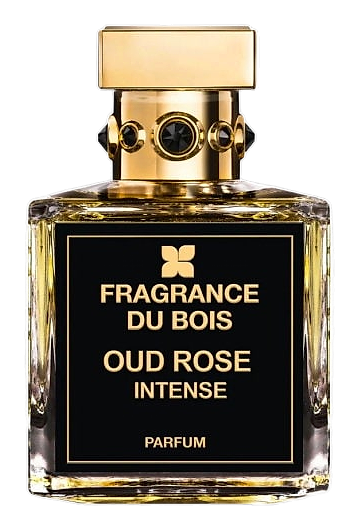
The Story
Why it exists.
The beginning
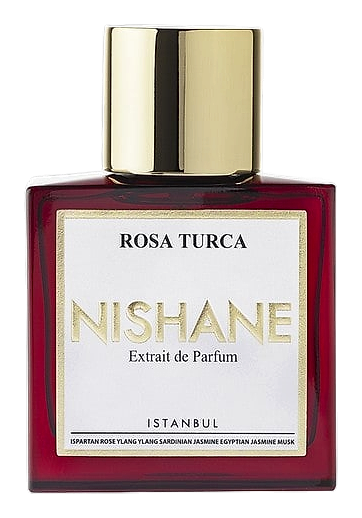
Rosa Turca launched in 2014, part of a collection that arrived on the niche scene like a statement of intent. The Turkish rose had centuries of cultural weight behind it: centuries of gardens, poetry, and ritual. Jorge Lee, the nose behind this fragrance, was tasked with translating one of the region's most iconic flowers into something modern. His approach was direct, stripped of ornament, concentrated to its essence. A handful of notes do the heavy lifting here, and that's the point. No clever tricks, no crowd-pleasing citrus up top to dilute the message. Just rose, ylang-ylang, jasmine, and musk, arranged like a sentence with no filler words. The Turkish rose, Lee understood, needed no introduction or apology. It simply needed space to speak.
What makes this composition quietly stubborn is its refusal to hedge. Rosa Turca stays inside the floral family and dares you to notice the difference. The rose delivers a heady, jammy sweetness, but ylang-ylang pushes it toward something more narcotic and tropical, almost fermented. Egyptian jasmine adds an indolic edge that keeps the sweetness from tipping into confection. The interplay is tight, controlled, never cluttered. Each note knows its job and does it without showboating. You get the impression of a perfumer who trusts the materials enough to let them overlap rather than compete.
The evolution
The opening feels almost indecent. Rose and ylang-ylang hit together, dense and syrupy, wrapped in warmth. There's no citrus buffer, no cooling accord, just pure floral intensity from the first spray. As the minutes pass, the Egyptian jasmine starts threading through. It adds a slightly indolic edge that rounds out the sweetness, turning the composition from candy to something more complex and animal. The rose doesn't disappear. It deepens, shifts from fresh-cut flower to something that feels preserved, almost like rose petal jam left out in the sun. Gradually, the musk begins its takeover. The florals recede just enough to let the skin underneath breathe, and that's where the magic lives. What remains on a sweater the morning after is unmistakable. Warm, musky, with a ghost of rose still clinging to the fabric.
Cultural impact
Rosa Turca sits at an interesting crossroads in the rose fragrance conversation. It's a bold, stripped-back floral that demands attention, and its wearers tend to describe it in vivid, place-based terms: one reviewer's 'fresh roses on Petrin Hill,' another's 'beautiful outdoors.' These aren't generic compliments but specific sensory memories, the kind of associations a fragrance earns when it actually transports rather than just decorates. The ability to feel alive in open air, to carry something rather than merely wear it, is part of what gives Rosa Turca its particular gravity.