The Story
Why it exists.
The beginning
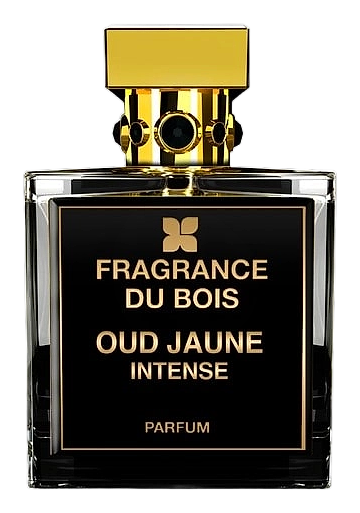
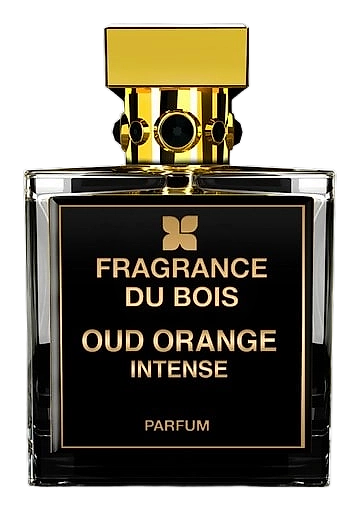
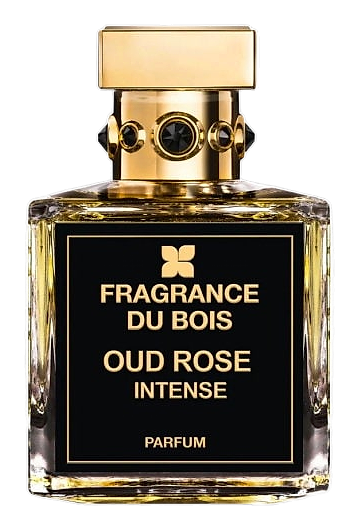
Hamid Merati-Kashani built Oud Rose Intense around a central question: what happens when rose and oud are forced to coexist without one backing down? The 2013 launch came from Fragrance Du Bois, a Paris house built on sustainably sourced oud. Rather than treating the wood as a rare accent, Merati-Kashani made it a full partner, letting the deep, resinous character push against the rose throughout the wear. Bergamot and fruity notes soften the opening, but the tension is already there. Sandalwood and amber arrive to settle things, and the drydown finds its balance. Not everyone wanted a rose that argued back. Some did, though. This is for them.
Most rose fragrances position the flower as either delicate or jammy. Oud Rose Intense does neither. The rose here carries weight because of what surrounds it. Fruity notes add texture rather than sweetness, while geranium keeps the florals grounded and slightly green. The real structure comes from how sandalwood and amber work in the heart, they don't soften the oud so much as give it somewhere to settle. The base is pure Agarwood, and that resinous depth doesn't arrive politely. It builds. The rose doesn't fade so much as darken, wrapped in wood and warmth by the end.
The evolution
Opens bright. Bergamot cuts clean, fruity notes add a soft sweetness that doesn't linger. The rose is present but waiting, sandalwood arrives to invite it forward. Together they settle into the heart, geranium keeping things from getting too soft, amber wrapping warmth around the whole thing. Then the oud arrives. Not loud, but certain. It takes over the base without erasing what came before. The rose is still there, but darker now, wrapped in resin. By hour eight, the drydown is skin-close and warm, the kind of scent that stays without announcing itself. On fabric, it lasts longer. The next day, there's a faint trace of warmth where you sprayed it.
Cultural impact
Oud Rose Intense found its audience early, people who wanted rose but were tired of it disappearing, people who wanted oud but were wary of going too dark. The 2013 launch placed it ahead of the rose-oud combination trend that followed, and the sustained interest (it's still in production) suggests it filled a gap. The Shades du Bois collection positioned it as the floral shade, spice, floral, fresh, or woody, with this one taking the floral slot without playing it safe.