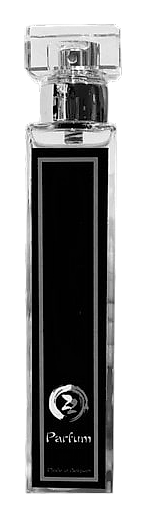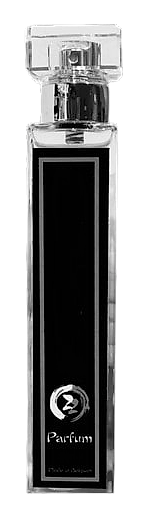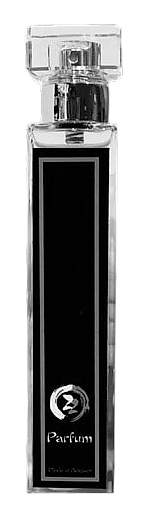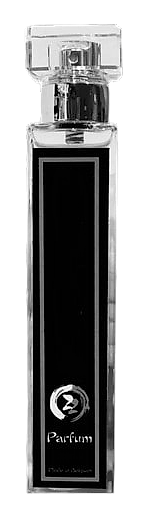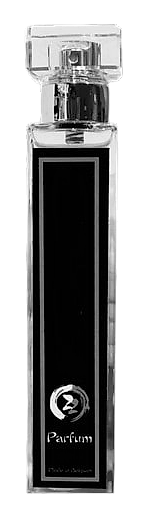
The Story
Why it exists.
The beginning
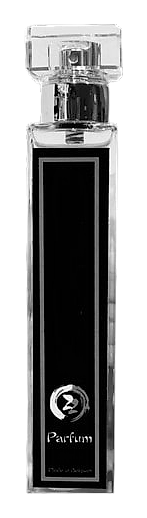
Jardin Des Roses is built around a deliberately fresh reading of rose. Perfumer Romain Pantoustier places the flower between airy citrus and a white floral heart, so it feels less like a single bouquet and more like a layered composition. Geranium and lemon sharpen the rose's edges, while Lily of the Valley contributes a light floral accent. The result is a rose fragrance framed by citrus, green notes, and delicate floral materials, with a structure that leaves room for each part to remain distinct.
The interesting part is how familiar materials refuse to stay in their usual roles. Geranium lends a green, almost leafy lift to lemon and orange peel. Lily of the Valley adds a pale floral hush underneath. Then rose, jasmine, and violet widen the center, bringing several floral materials into the same composition. The base adds another layer: cloves introduce warm spice, vanilla rounds the edges, and musk contributes a soft, clean trace. Together, the notes form a floral language with contrasting textures, moving from citrus and greenery to rose-centered florals and a warm, rounded finish.
The evolution
The composition begins with lemon, orange peel, and geranium, followed by Lily of the Valley, which adds a pale floral quality beneath the citrus. Rose appears alongside jasmine and violet, giving the center several floral dimensions rather than presenting the rose in isolation. The listed materials move from citrus and green notes into a fuller floral section before reaching cloves, vanilla, and musk in the base. This progression gives Jardin Des Roses a clear architecture, balancing fresh top-note materials with soft florals and a warmer, rounder foundation.
Cultural impact
Jardin Des Roses presents rose through a varied floral composition rather than a single-note treatment. Citrus, geranium, Lily of the Valley, jasmine, violet, cloves, vanilla, and musk each contribute a distinct part of the structure. The fragrance is interesting precisely because its familiar materials are arranged in different relationships, giving the central rose a layered context and inviting closer attention to the note list.
The House
NeZ ZeNNeZ ZeN emerges from Belgium's quiet perfume culture, a house that asks you to pause. Founded in 2014 by Romain Pantoustier, the brand operates without the usual perfume industry machinery—no celebrity noses, no blockbuster marketing. Instead, fifteen fragrances exist as quiet statements: La Bibliothèque, a meditation on dusty paper; Jasmin d'Eté, capturing sun-warmed petals at noon; Niwa, drawing from Japanese garden stillness. Each scent carries the weight of intention rather than trend. The name itself—NeZ ZeN—suggests a nose that has found its center, pointing toward something essential beneath the noise of mainstream fragrance.
The Creator
Romain PantoustierPantoustier's hand tends toward the opulent and the densely constructed. His NeZ ZeN catalog, including 1001 Nuits and the Les Exclusive series, leans into rich resins, smoky woods, and the kind of layered ambers that evolve over many hours on skin.