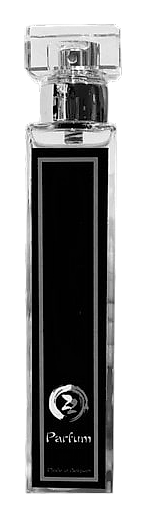

The Story
Why it exists.
The beginning
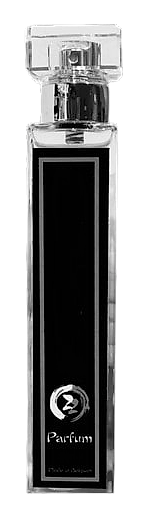
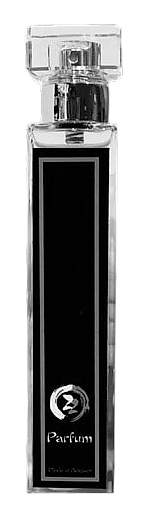
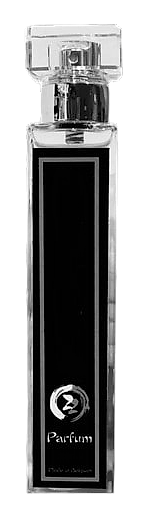
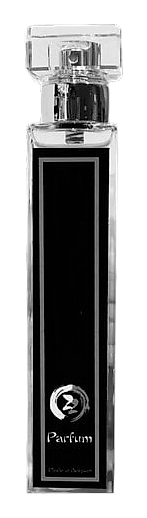
Mont Blanc takes its name from the mountain itself, and the brand described the brief in terms you don't often hear in fragrance: snow-capped peaks, ancient rock, and the freshness of mountain pastures. That brief makes immediate sense on the skin. It opens with the crisp tartness of blackcurrant, sharpened by peppermint, while watermelon adds a faint sweetness without turning the composition overtly fruity. As the opening settles, galbanum introduces a grassy, mineral edge, balanced by the white floral softness of lily of the valley. Opoponax brings a warmer, resinous layer beneath the fresh notes, giving the composition depth as it wears. The drydown moves toward amber and guaiac wood, with coriander adding a restrained spice that keeps the base from becoming simply sweet.
What makes Mont Blanc unusual is the temperature contrast within the fragrance, not the mountain image alone. Many fresh compositions stop at mint and citrus and call it done. Here, mint is warmed by blackcurrant and an unusual watermelon facet, which read less like kitchen fruit than like meltwater tasting faintly of whatever it touched on its way down. The heart introduces a change in texture. Galbanum remains sharp and grassy, while lily of the valley adds a white, cool softness.
The evolution
Mont Blanc opens with a cold, almost edible snap. Blackcurrant leads, tart and bright, then peppermint cuts through and the watermelon appears as something more suggestion than note, a faint sweetness that recalls mineral water with fruit in it. The opening feels like biting into something frozen. As the fragrance develops, the heart assembles. Galbanum arrives sharp and grassy, a green quality that borders on bitter, then lily of the valley softens the edge with something white and cool. Opoponax sits underneath, introducing a resinous warmth that gives the green notes more depth and prevents the composition from feeling overly sharp. The transitions are gradual rather than abrupt. The mint recedes, the watermelon becomes less distinct, and the fresh opening begins to give way to a warmer, drier base.
Cultural impact
Mont Blanc stands apart by making freshness feel layered rather than one-dimensional. It begins with a sparkling, fruit-topped impression, but green notes and a cool floral heart give it structure as the scent develops. The profile is especially suited to cooler weather and quieter settings, where its restrained composition can unfold without competing with everything around it. Blackcurrant supplies tart brightness, peppermint adds a clean lift, and watermelon lends a soft trace of sweetness. Galbanum brings a sharper vegetal quality, while lily of the valley keeps the middle light and polished.
The House
NeZ ZeNNeZ ZeN emerges from Belgium's quiet perfume culture, a house that asks you to pause. Founded in 2014 by Romain Pantoustier, the brand operates without the usual perfume industry machinery—no celebrity noses, no blockbuster marketing. Instead, fifteen fragrances exist as quiet statements: La Bibliothèque, a meditation on dusty paper; Jasmin d'Eté, capturing sun-warmed petals at noon; Niwa, drawing from Japanese garden stillness. Each scent carries the weight of intention rather than trend. The name itself—NeZ ZeN—suggests a nose that has found its center, pointing toward something essential beneath the noise of mainstream fragrance.
The Creator
Romain PantoustierPantoustier's hand tends toward the opulent and the densely constructed. His NeZ ZeN catalog, including 1001 Nuits and the Les Exclusive series, leans into rich resins, smoky woods, and the kind of layered ambers that evolve over many hours on skin.