The Story
Why it exists.
The beginning
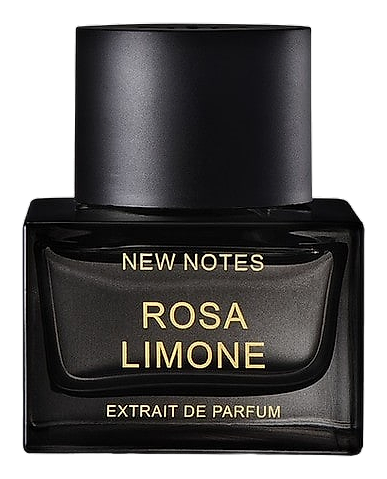
Cristian Calabrò built Rosa Limone around a tension: the brightness of citrus against the warmth of rose. Neither element is new to perfumery. The decision was what to put between them, the connective tissue that would keep this from becoming just another floral-citrus exercise. The answer was marine. Not aquatic in the traditional sense, not ozonic or synthetic-water, but something salt-edged and effervescent that cuts through both the citrus sparkle and the floral warmth. The result is a fragrance that feels neither fully bright nor fully soft, sitting in the space between, where the lemon reads coastal rather than sweet, and the Damask rose feels sunlit rather than romantic. Calabrò described the intent as pure vitality: the scent of a moment that hasn't slowed down yet.
What makes the composition interesting is the structural choice to lead with five citrus and marine materials before the rose appears. Most rose fragrances announce their central note early and build around it. Rosa Limone delays the reveal, forty minutes in, after the grapefruit fades and the marine quality softens, the Damask rose finally surfaces. This timing matters. By the time the rose arrives, the skin has already been warmed by bergamot and mandarin. The rose doesn't land on a blank surface, it lands on something already alive.
The evolution
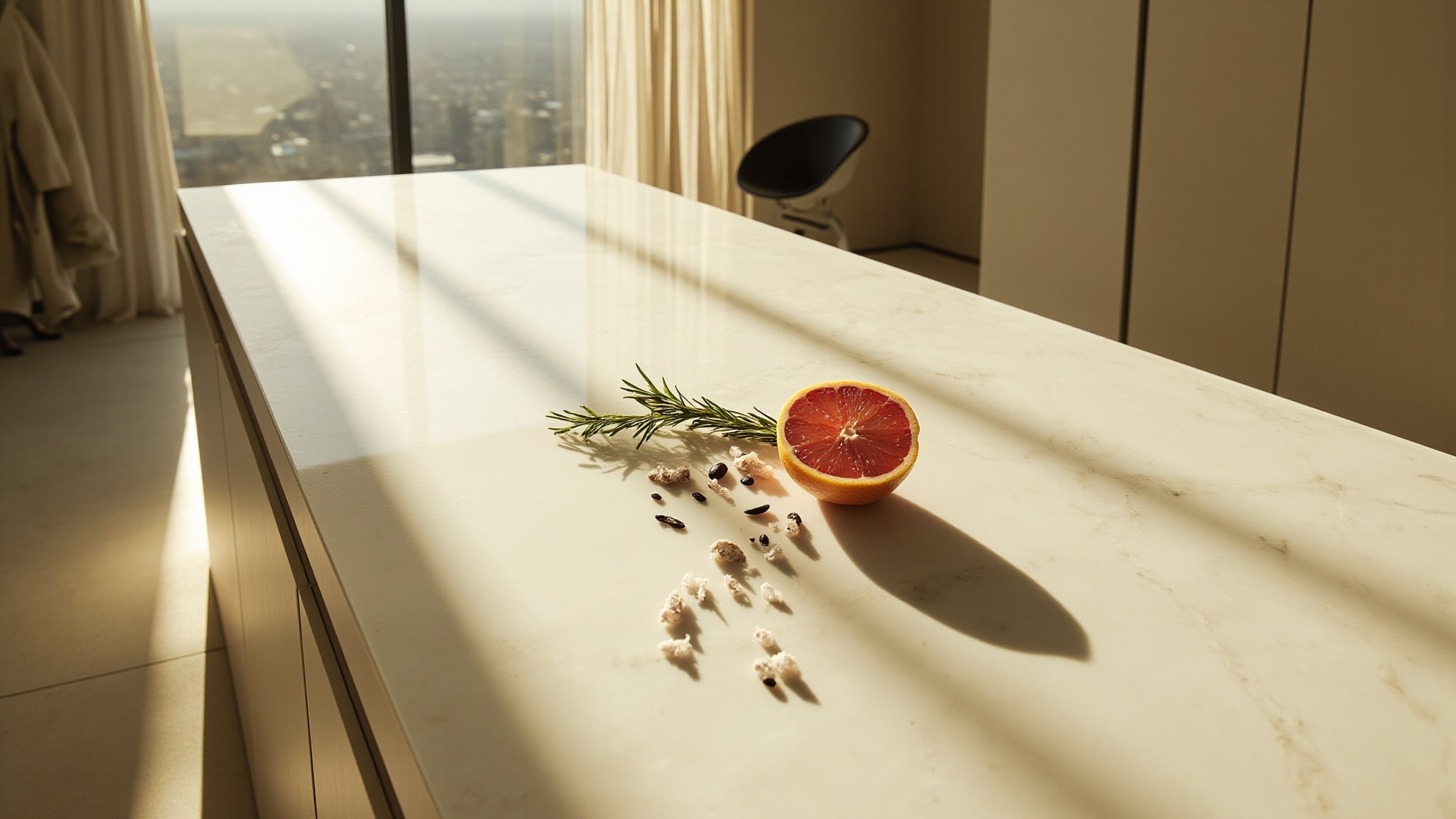
The opening arrives like a wave pulling back from shore. Pink grapefruit, lemon, mandarin orange, and marine salt, all at once, effervescent and bright. It doesn't build so much as it arrives. For the first thirty to forty-five minutes, this is a citrus fragrance with aquatic undertones. Then the grapefruit begins to thin, and something softer emerges beneath it. The Damask rose surfaces not as a single note but as a quality, warm, slightly honeyed, held by geranium's green edge and ylang-ylang's creamy floralcy. Iris adds a powdery softness that keeps the rose from reading heavy. The marine quality doesn't disappear entirely, it fades into the background, like salt air that lingers after the tide goes out. By hour three, the citrus is gone. What remains is the rose and its support structure: sandalwood warming, amber holding steady, patchouli adding a quiet earthy depth that stops the whole thing from going flat. Ambrette seed appears here, giving the drydown a clean, musky quality that extends the wear without projection.
Cultural impact
Rosa Limone occupies a specific corner of the niche market: the rose fragrance for someone who doesn't usually wear rose. The marine note is doing real work here, it reframes the Damask rose away from the romantic, powdery associations that can make rose fragrances feel dated or narrow in appeal. Wearers describe it as the fragrance you reach for when you want something that reads clean and modern without going minimal. In a landscape where rose-citrus combinations have proliferated since the early 2010s, Rosa Limone distinguishes itself by treating the marine quality as structural rather than decorative.