
The Story
Why it exists.
The beginning
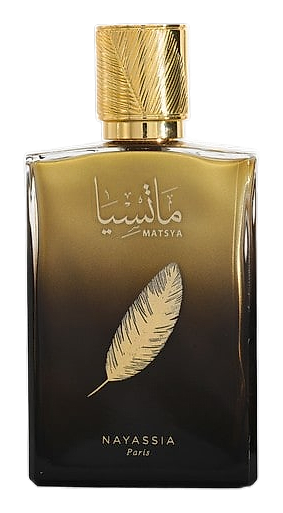
Matsya takes its name from a legend tied to the Mediterranean coast near Tripoli, specifically to a story about a girl from Malta who rode a great blackfish to shore, outran the Sultan's son, and vanished into an abyss that swallowed the river whole. Seventy thousand stones were thrown to find the water. None of them did. The brand launched in 2020, building a composition around that vanished sea, where something precious refuses to be caught. The result reads as cool, mineral, and ungraspable on skin, less a perfume you wear and more a current you move through. Peppermint and bergamot flash first, sharp enough to feel like cold spray, then the oud surfaces not as incense or syrup but as something drier, almost aquatic in its restraint, a material that remembers the sea it came from.
What sets Matsya apart is the contrast at its foundation. Rather than letting the oud dominate with rose, saffron, or amber, the composition sets the wood against coldness. Peppermint, bergamot, lemon, and clary sage create a bracing top-to-heart corridor that keeps the oud sharp rather than syrupy. The frankincense adds a resinous hum that never tips into church incense territory. The sandalwood and Virginia cedar soften the oud's edges just enough that it reads as skin-close rather than room-filling.
The evolution
The opening belongs almost entirely to the peppermint and bergamot, cold and bright enough to cut through anything else on skin. Lemon sits underneath, slightly blurred. Then the clary sage arrives with a green, almost camphorated weight, and the frankincense begins its slow hum in the background. The oud surfaces not gradually but with presence, dry and leathery, with just enough animal warmth to read as skin rather than as a separate material. The sandalwood and cedar settle in later, rounding the oud's sharper edges, and the whole composition narrows into something quieter, woodier, more private. As the hours pass, what lingers is a close-skin blend of dry cedar, faint incense, and the ghost of leather, intimate enough that those nearby will still catch traces of it.
Cultural impact
Matsya treats oud as a regional material drawn from the Mediterranean rather than from the Gulf or the Levant, and that shift in sourcing reads immediately on skin. Wearers describe it as cool, woody, and quietly resinous, a composition that makes oud approachable for people who usually avoid the material. It reads well in transitional weather, when the heavy orientals feel like too much and something mineral and green feels right. The composition lives in the space between French perfumery and North African tradition, and that tension gives it an edge collectors tend to respond to.
The House
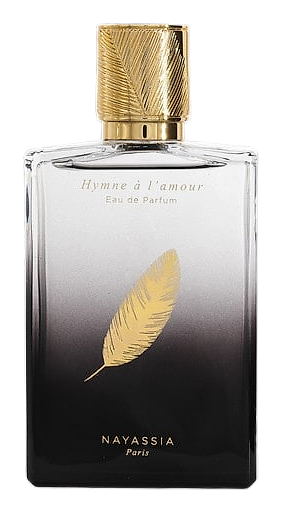
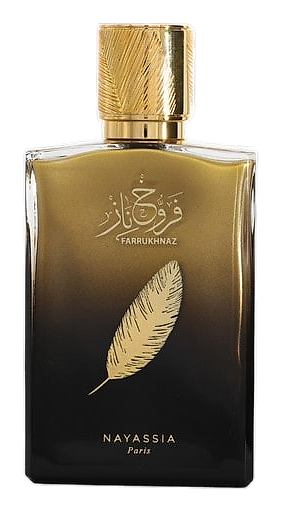
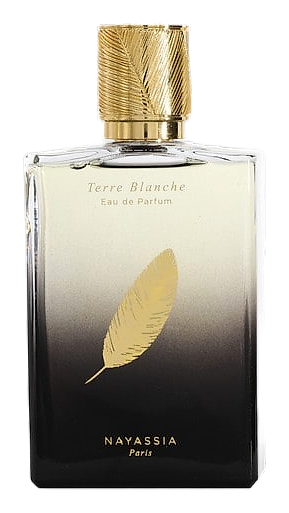
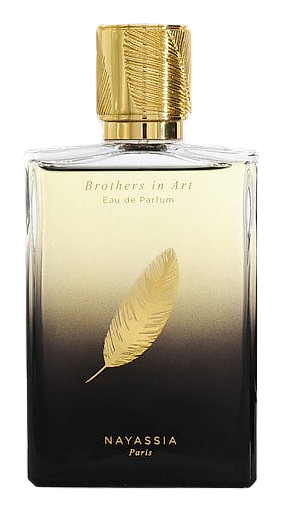
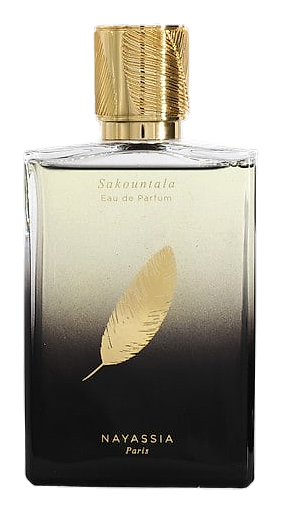
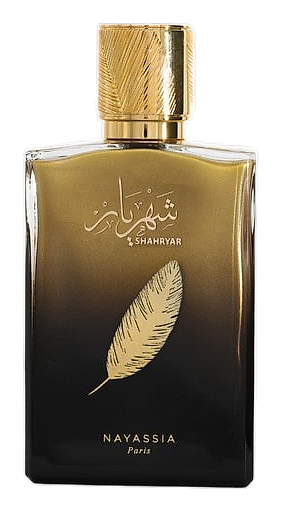
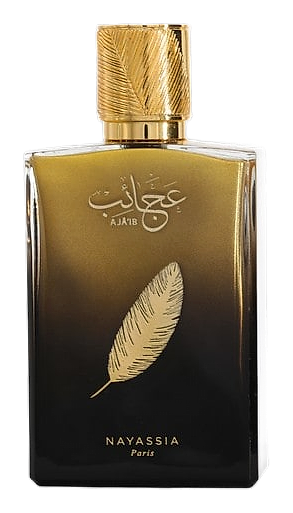
NayassiaNayassia is a fragrance house rooted in the traditions of French perfumery, founded by Fella Cherchali and Eric Torchet. The brand draws from Cherchali's peripatetic upbringing, during which she developed a deep sensitivity to the sensory dimensions of place and memory. Each Nayassia fragrance functions as an olfactory narrative, translating landscapes, cultural encounters, and emotional moments into wearable compositions. The house has released ten known perfumes since 2019, spanning scents inspired by locations from the Mediterranean to South Asia, with names referencing destinations such as Jardin d'El Biar, Farrukhnaz, and Matsya. The brand's visual identity incorporates a feather and globes, reflecting its traveler ethos of movement, discovery, and the written word.
The Creator
Randa HammamiHammami favors rich floral compositions, with rose, iris, and orchid appearing prominently in her work. She pairs these with warm oriental bases, often incorporating incense and vanilla for depth.