The Story
Why it exists.
The beginning
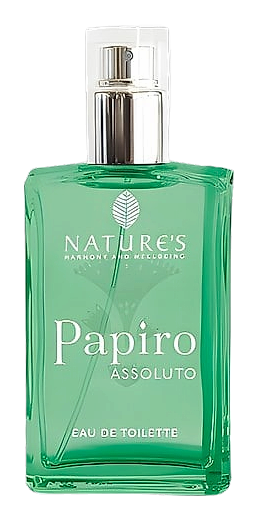
Papiro Assoluto arrived in 2024 from Nature's, a botanical fragrance house whose releases orbit single raw materials and let them carry the composition. The name borrows directly from Italian, papiro meaning papyrus, with assoluto signaling the absolute extraction, the most concentrated form of the plant's aromatic oils. That's the whole thesis distilled into two words: one note, isolated at its purest, given room to command a frame of spice and wood. Nature's built Papiro Assoluto as a portrait of the papyrus plant itself, rendered with a clarity that grounds the fragrance in something botanical and immediate.
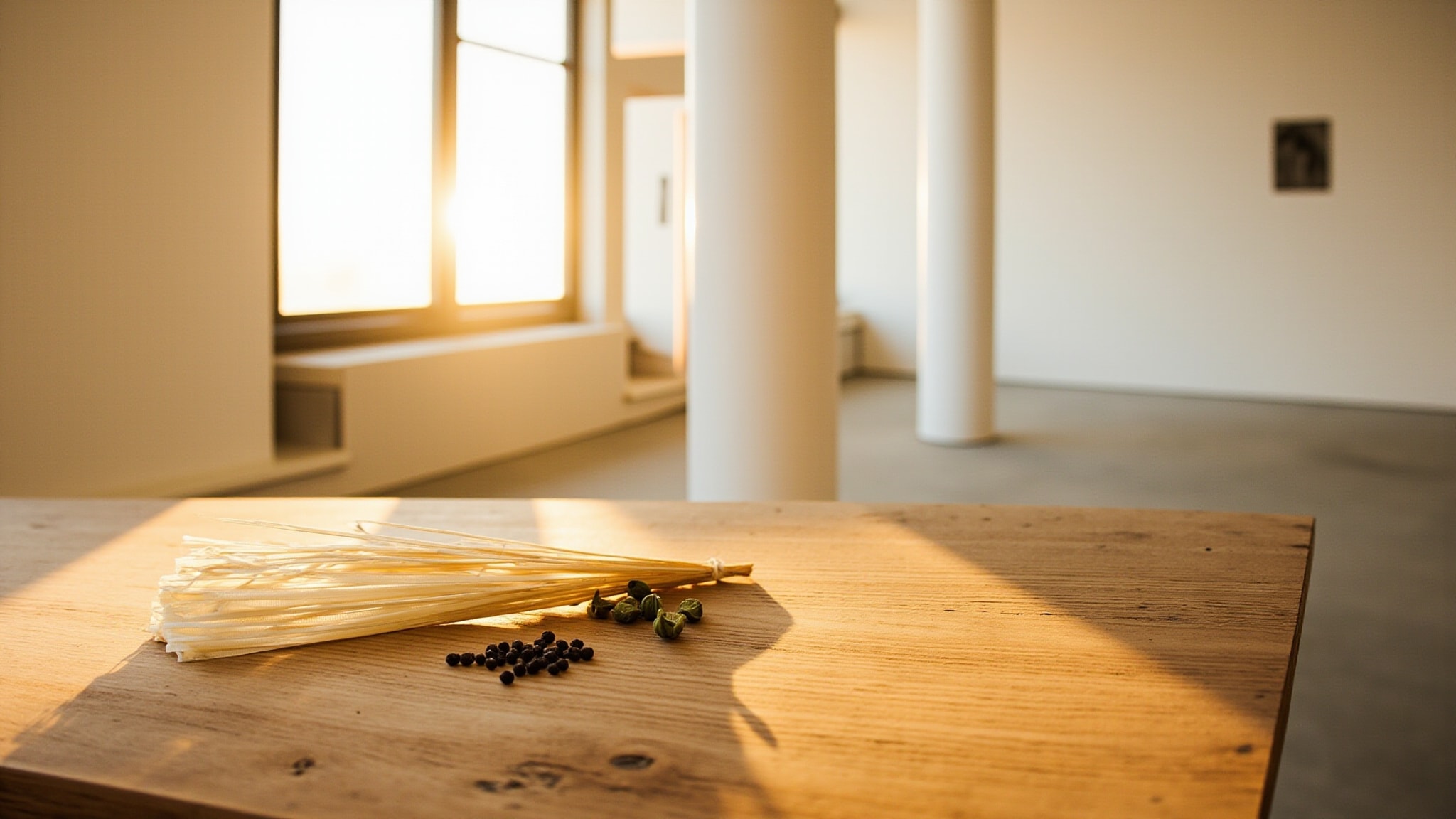
Papyrus as a perfumery note is unusual enough to deserve a second look. Papiro Assoluto puts papyrus itself at the heart, flanked by cedarwood for structural warmth and coriander for a green, almost herbal lift. That central note does something rare: it smells like paper, like dry reeds, like something pulled from sunlight, without collapsing into the dusty territory that heavier woody compositions can drift toward. The cardamom and black pepper at the top don't just decorate; they set the terms.
The evolution
The first 20 minutes belong to cardamom, black pepper, and eucalyptus, a sharp, almost camphorous opening that feels more medicinal than inviting. Some wearers call it bracing. Others call it a lot. The eucalyptus recedes within the half-hour mark, and the iris beneath it finally gets to speak, powdery and slightly cool, opening up like a curtain. By the second hour the papyrus is fully in charge, dry and architectural, with cedarwood lending it a grain you can almost see. The coriander weaves through as a green thread that never quite announces itself. From hour three onward the base takes over: sandalwood and tonka bean warm everything up without softening the papyrus's edge. The composition doesn't fade so much as exhale, each phase handing the next one the keys with surprising grace. What starts sharp ends grounded.
Cultural impact
Papiro Assoluto occupies a distinctive place among woody-spicy fragrances, staking its claim on papyrus rather than the more familiar territory of oud, vetiver, or sandalwood-forward compositions. It's more architectural than the sweeter, gourmand-leaning woody fragrances that have shaped recent years, and it rewards attention rather than demanding it. Wearers who gravitate to it tend to describe it as a thinking fragrance, something that holds its shape on skin and reveals more the longer you sit with it. It doesn't chase trends so much as sidestep them entirely.