The Story
Why it exists.
The beginning
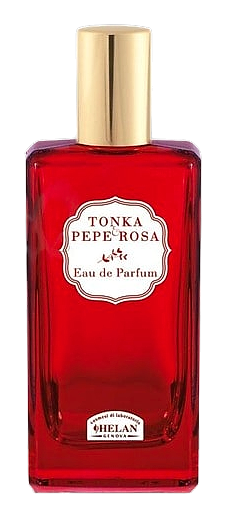
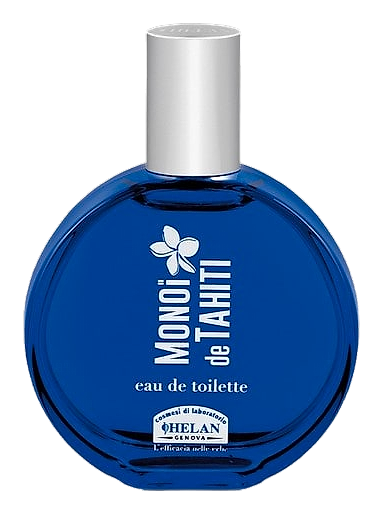
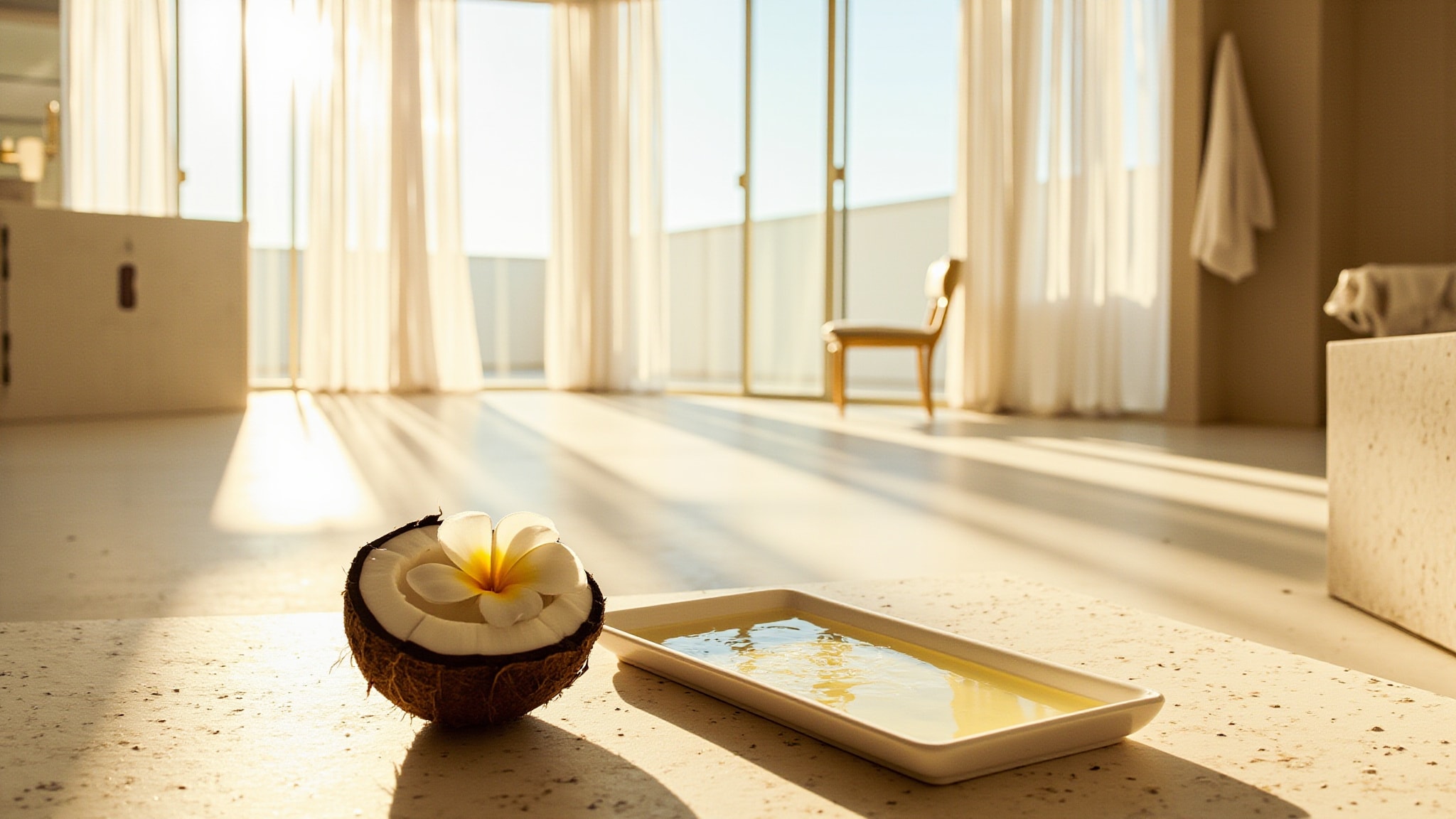
Monoï de Tahiti takes its name from a Polynesian tradition: scented oil, used across French Polynesia as skin care, sun care, and scent. Helan, an Italian house that has built a catalog spanning everything from Pandoro-scented colognes to bright tropical fruits, reached across the Mediterranean to translate that specific ritual into a wearable composition. Each release in the line functions as a snapshot of a moment worth bottling. This one happens to be somewhere far from Italy, and that geographic range tells you something about how the brand thinks about scent. The translation matters: a Polynesian scented oil tradition passing through Italian hands and coming out the other side as something you can spray on your wrist.
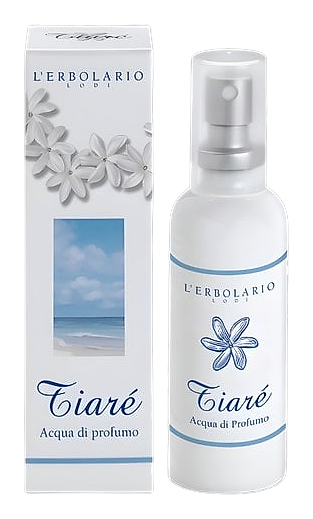
What makes tiare interesting isn't the flower alone. It's the maceration. In Polynesian tradition, the blossoms steep until the oil itself becomes the perfume. Helan leans into that logic. Coconut appears in the pyramid because the brand understands this isn't coconut as flavoring. It's coconut as a carrier for something floral and dense. The sweetness never fully leaves. It just changes costume, from bright tropical fruit to something creamier and more intimate as the hours pass.
The evolution
The first spray lands bright. Coconut and tiare, almost suntan-lotion in their immediacy, with a sweetness that reads as tropical rather than gourmand. Once the tiare takes over, the coconut stops being fruit and starts being oil. The heart phase is the most convincing part: creamy, sun-warmed, slightly waxy, the scent of skin that's been outside for hours. It holds that register for a long time. The drydown arrives gradually, and the florals recede while a softer coconut-musky warmth stays close to the skin. What lingers late in the wear is a quiet sweetness, more skin-scent than perfume. The sillage stays intimate the whole way through, never projecting past arm's length, which suits a composition built around the idea of oil on skin rather than perfume in the air.
Cultural impact
This sits in a crowded category. Monoi-inspired fragrances have been a steady presence in the market, from body products that flooded shelves when monoi became a beauty buzzword to niche perfume releases that take the tiare flower as their subject. Helan's version enters that conversation with a specific point of view. The tiare reads authentic to wearers familiar with the real flower, and the composition doesn't try to disguise what it is. It's the kind of fragrance someone buys for summer and ends up wearing year-round because the coconut-skin warmth works in cold weather too, under a sweater, close to the body.