Monoi
Monoi is a fragrant coconut oil infusion made by macerating tiare petals—Tahitian gardenias—in refined coconut oil. The resulting sensory material carries the creamy warmth of coconut and the heady white floral of tiare, a combination that reads as sun-kissed skin in liquid form.
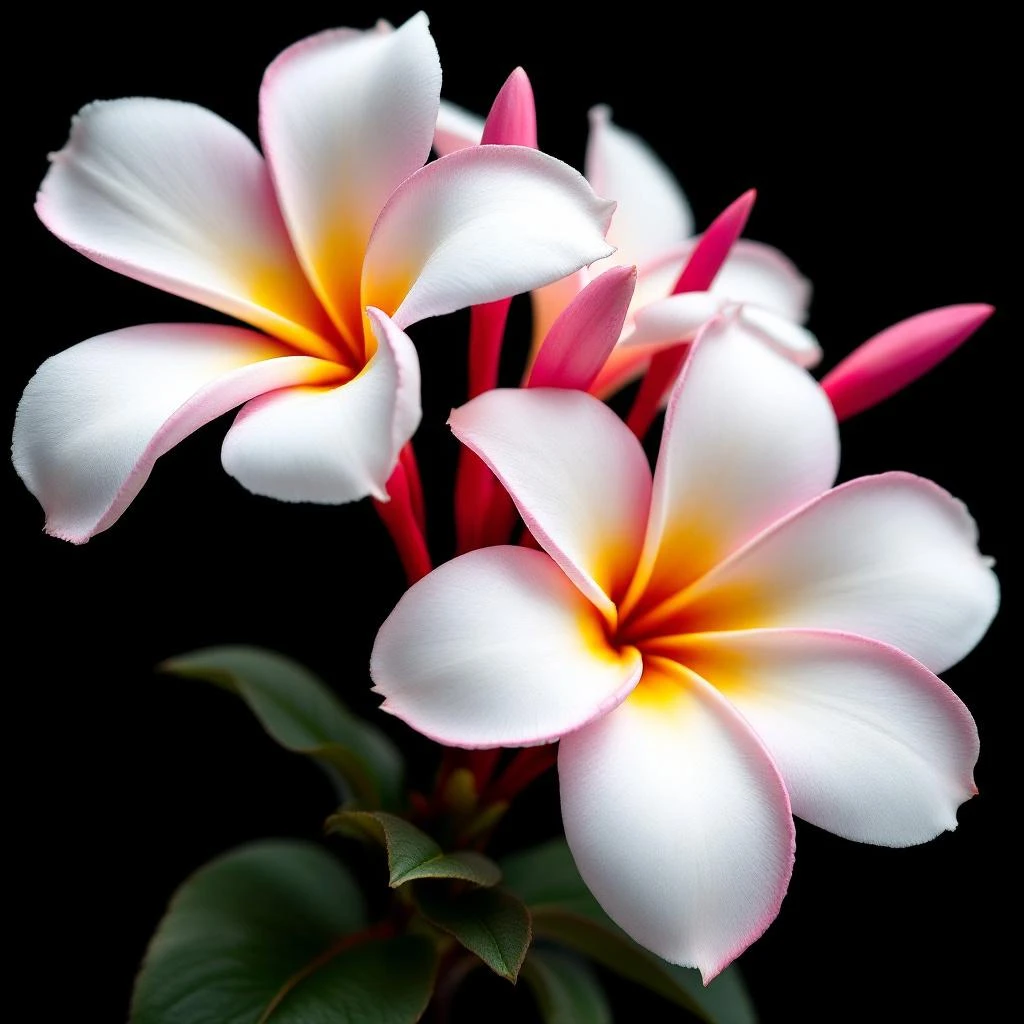
Character
How it smells
Sun-warmed skin in a bottle: creamy coconut fused with heady tiare.
Tahitian law protects the 'Monoï de Tahiti' designation of origin. Only oil made in French Polynesia under strict guidelines can bear the name—a status shared with Champagne and Cognac.

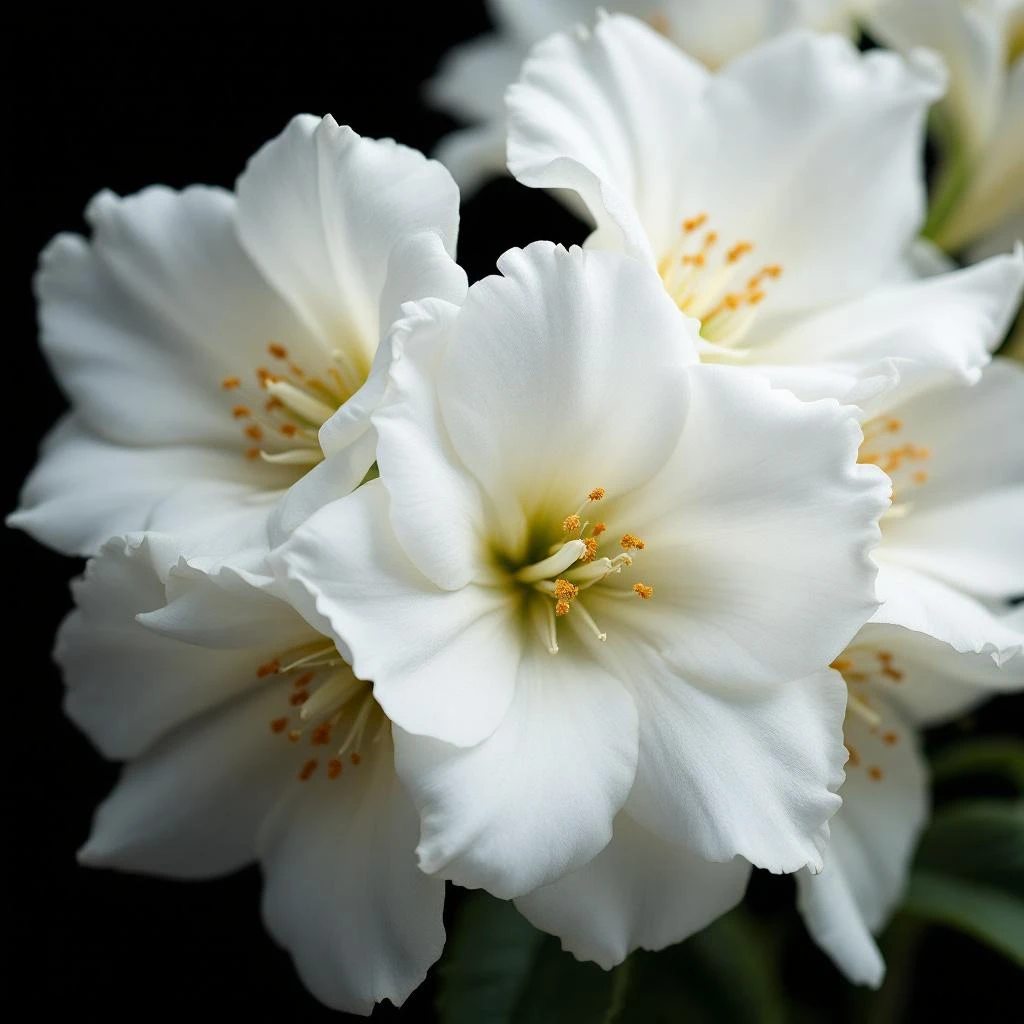






Origin
French Polynesia
Monoi has been part of daily life in French Polynesia for centuries. The term itself is Tahitian: 'mono'i' translates to 'scented oil' and has described this preparation since long before European contact. Polynesian Islanders developed the technique as a way to preserve and carry the fleeting fragrance of tiare flowers, which bloom only briefly.
Early practitioners would soak the petals in coconut oil in small batches, producing enough for personal use and ceremonial applications. The oil served as both a fragrance and a skin conditioner, used after bathing, before long voyages, and in religious rites. French colonizers in the 19th and early 20th centuries encountered monoi and introduced the product to European markets, where it was marketed as a luxurious tropical beauty treatment.
By the mid-20th century, perfumers began incorporating monoi or its isolated tiare absolute into fine fragrance, appreciating its ability to evoke a specific time and place—warm skin, ocean air, and white flowers. In 1992, the French government granted Monoï de Tahiti a Protected Designation of Origin, ensuring that only oil produced in French Polynesia under regulated conditions could use the name, much as Champagne is protected to only mean sparkling wine from Champagne, France. This designation covers approximately 1,000 local producers and remains one of the few fragrance ingredients with this level of geographic legal protection.
Wears it best
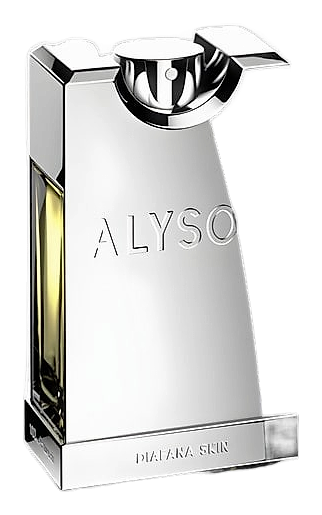
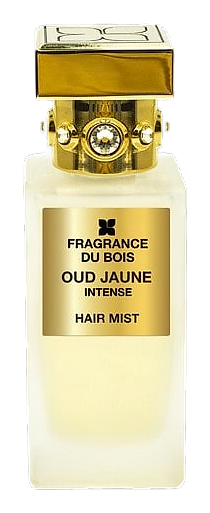
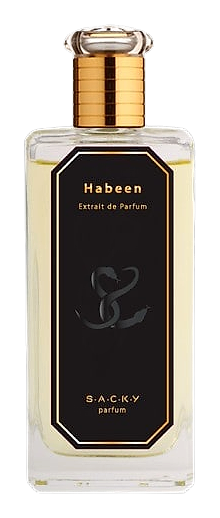
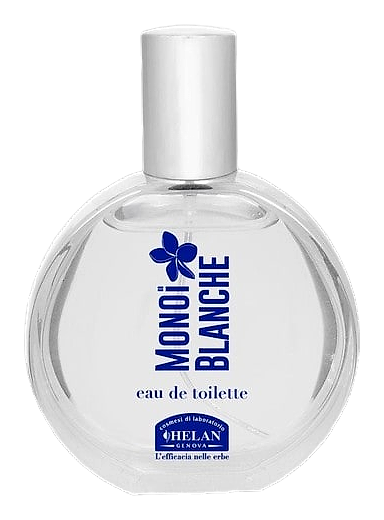
Fragrances featuring Monoi
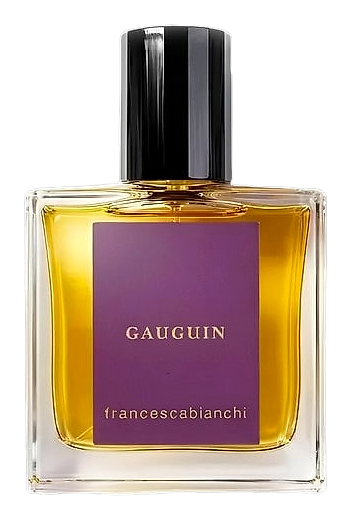
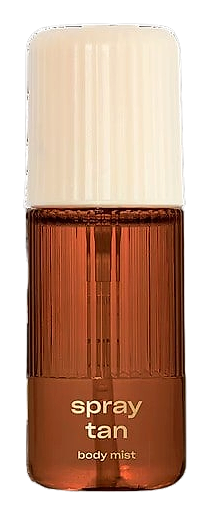
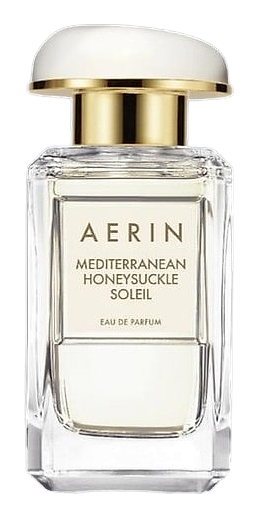
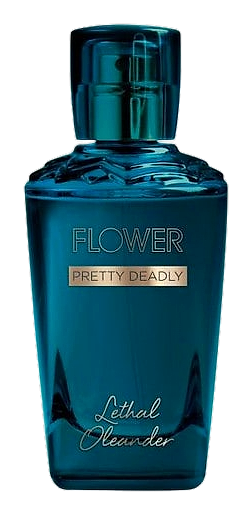


Brands
Brands known for Monoi
Good to know
Questions, answered
The essentials on Monoi in perfumery: how it smells, where it comes from, and how it behaves on skin.
What does monoi smell like?
Monoi carries a warm, creamy coconut base with a white floral heart from the tiare flower. The result is a sunlit tropical note with lush, skin-like warmth that works well as a supporting ingredient in fragrances aiming for beach or island aesthetics.
Is monoi used in fine perfumery?
Yes. While monoi is widely known in cosmetics and body care, perfumers source monoi oil or tiare absolute as a fragrance material. It provides a natural creamy warmth that synthetic bases often struggle to reproduce convincingly.
What is the difference between monoi and coconut oil in perfumery?
Plain coconut oil has a neutral-to-slightly fatty odor profile. Monoi is coconut oil that has absorbed tiare flower compounds over ten or more days, giving it a distinct floral dimension that elevates it from a base to an active fragrance ingredient.
Where does monoi come from?
Authentic monoi oil comes from French Polynesia, specifically Tahiti and surrounding islands. The 'Monoï de Tahiti' designation of origin protects the name and requires production within the territory under specific regulations.
Can monoi be synthesized or replicated?
No fully synthetic replica exists for monoi's complex profile. Fragrance chemists can approximate its coconut-tiare combination using synthetic aromatic materials, but the natural version retains nuances that synthetics have not fully captured.
How long does monoi oil last as a fragrance ingredient?
Monoi oil has moderate tenacity in fragrance formulations. As a macerate in alcohol or oil, its scent profile peaks within the first few hours of wear, though the coconut warmth lingers in dry-down phases when used as a supporting note.
What does 'Monoï de Tahiti' designation mean?
It is a protected designation of origin granted by the French government. Only monoi oil produced in French Polynesia under regulated conditions—specific ingredients, methods, and duration—can legally carry the name, similar to how Parmesan can only come from Parma, Italy.
How is monoi oil made?
Fresh tiare petals are submerged in refined coconut oil and left to macerate for at least ten days at controlled temperature. The coconut oil slowly absorbs the floral compounds from the petals. The oil is then filtered, yielding a fragrant, golden infusion ready for use.