The Story
Why it exists.
The beginning
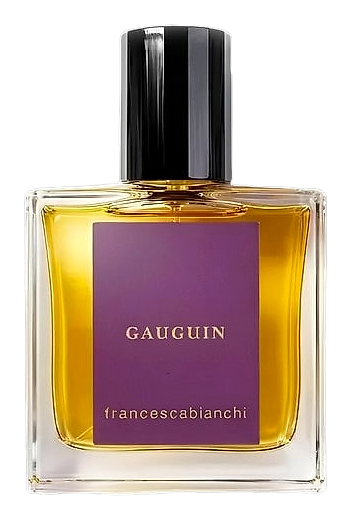
Paul Gauguin left France for Tahiti, then the Marquesas, chasing a vision of color and simplicity the Western world couldn't offer. He found something raw, imperfect, and deeply intentional, paintings that didn't reproduce reality so much as reimagine it. Francesca Bianchi named this fragrance for that sensibility: not a tourist's Polynesia, but an imagined one. A place built from longing and pigment, not from maps. The fragrance translates that same impulse, taking tropical flowers, coconut cream, and aldehydic sparkle and reassembling them into something that feels more real than reality.
The aldehydes are the key. In perfumery, they signal a certain lineage, the classic chypres, the grand florals, the formulations that suggest old-world elegance. But Bianchi uses them differently here: less as a throwback and more as a lens. They make the bergamot shimmer, the tiaré glow, the coconut feel almost sunlit rather than sweet. It's the aldehydes that keep this from being just another tropical floral. They give the composition its edge, its abstraction, the sense that you're smelling something that was painted rather than assembled.
The evolution
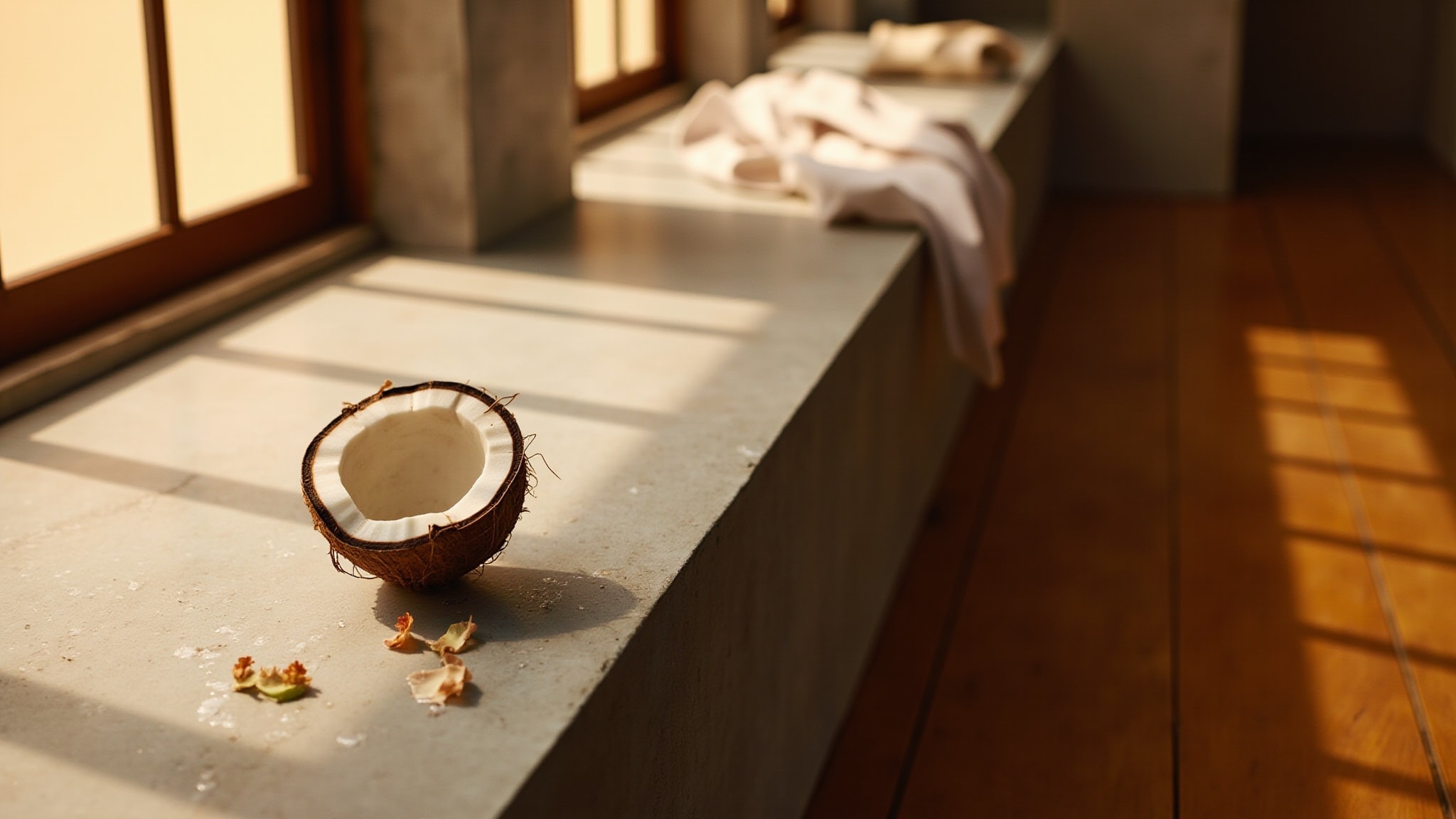
The opening is immediate: bergamot and aldehydes, bright and slightly sharp, like light through water. Within minutes the tropical florals take over, tiaré first, then monoi, with ylang-ylang threading through and a coconut facet that softens everything. Geranium adds a green, almost herbal undertone that keeps the florals from feeling too sweet. This middle phase is the heart of the fragrance, and it lasts. Three hours in, you're still in the tropics. Then the base arrives: amber and vanilla, warm and close, with white musk and vetiver grounding the sweetness. The drydown is intimate, skin-warm, persistent, the kind of scent you find on yourself the next morning.
Cultural impact
Gauguin enters a space where tropical florals are often treated as straightforward, beach notes, summer crowd-pleasers. This fragrance refuses that simplicity. The aldehydic lift, the saturated heart, the warm amber-vanilla base: it reads as artistic, intentional, a fragrance made by someone with a specific vision rather than a market segment. Francesca Bianchi has built a catalogue around personal storytelling, The Dark Side, Sticky Fingers, Love for Sale, and Gauguin fits that lineage. It's not trying to be the most accessible fragrance in the lineup. It's trying to be the most complete.