The Story
Why it exists.
The beginning
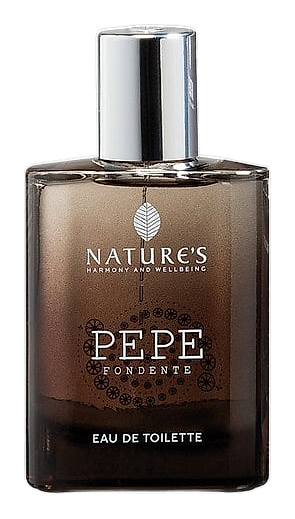
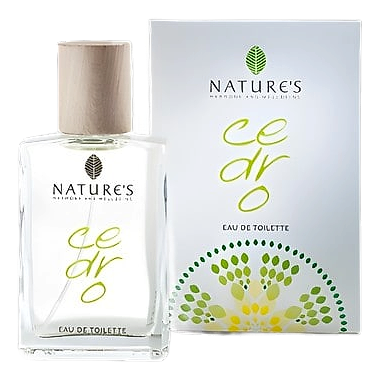
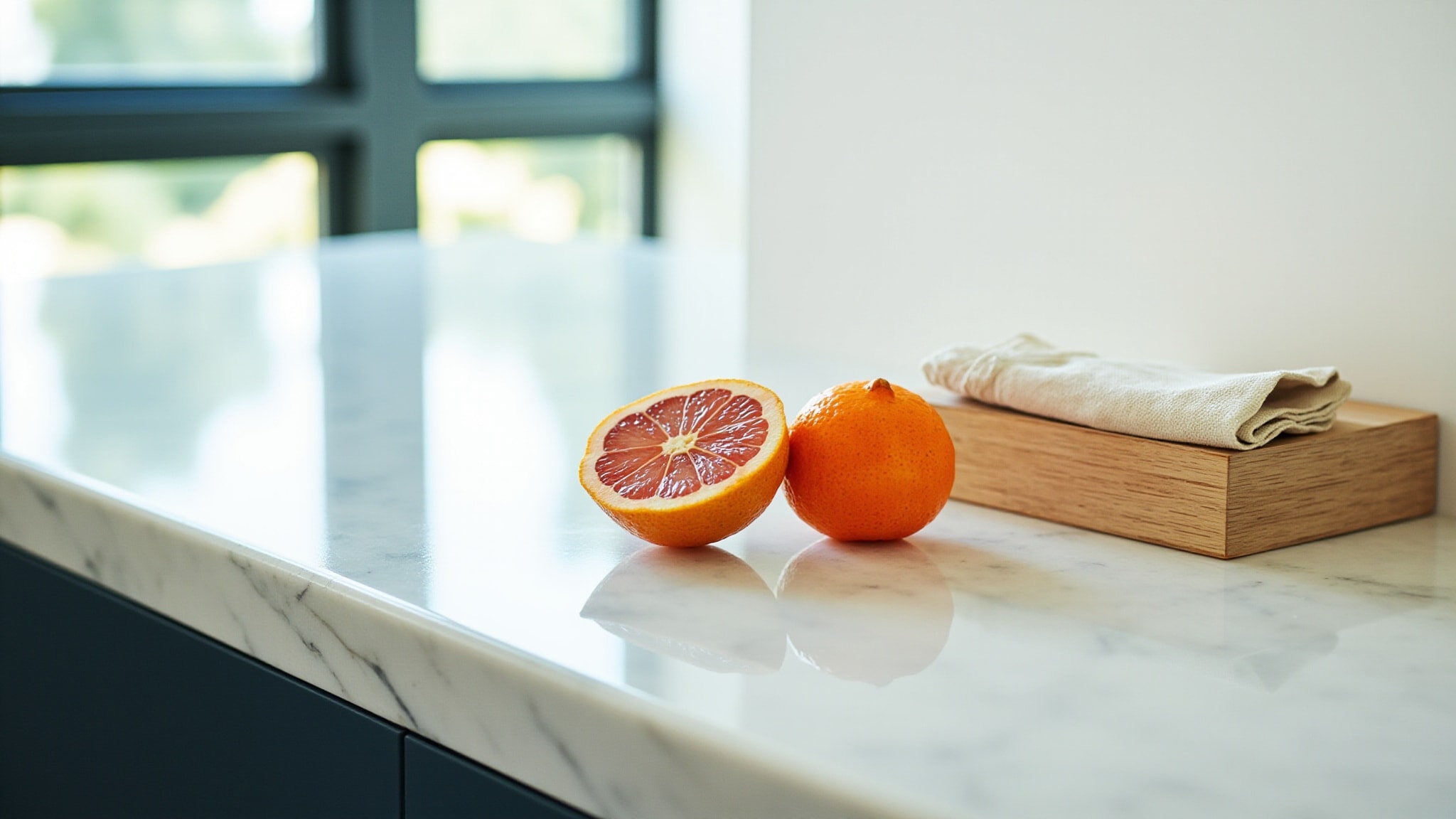
Cedro Donna arrives with a clear Italian-leaning name and a contemporary citrus profile, though its release year and perfumer are not documented in the available research. The composition reads as a study in brightness: mandarin orange brings a rounded, juicy opening, while pink grapefruit adds a sharper, pink-toned edge. Fruit notes extend that brightness into the heart, and aquatic notes lend a clean, open-air impression. Beneath it all sits a grounded base of cedar, musk, patchouli, and sandalwood. The result feels less like a citrus splash and more like citrus after the beach, when cool air and skin begin to take over.
What makes Cedro Donna interesting is the handoff between fruit and wood. Mandarin orange and pink grapefruit can make a fragrance feel vivid and immediate, while the base keeps the composition from becoming a fleeting bright sparkle. Cedar and sandalwood bring a measured, tactile quality; patchouli adds a darker green-earthy shadow, and musk softens the whole structure. Aquatic notes create the sense of open air between those poles, keeping the composition light even as the base gains depth.
The evolution
The opening is the most immediate part of Cedro Donna: mandarin orange and pink grapefruit bring a clean flash of citrus, with fruit notes making the center feel juicy rather than purely zesty. As the scent develops, aquatic notes loosen the composition and give it a cool, watery breath. The base gradually takes charge, introducing cedar and sandalwood as the bright fruit settles. Musk keeps the result close to skin, while patchouli adds an earthy, green depth that makes the drydown less obvious than the opening. By the later hours, the fragrance presents as a soft citrus-and-wood trace, fresh at first, then steadily more tactile and intimate.
Cultural impact
Cedro Donna sits within Nature's broader contemporary naturalist register, where everyday fragrance is treated as a sensory vignette rather than a dramatic performance. Its citrus profile fits a restrained, modern approach to freshness, while the woody base gives it more substance than a conventional splashed-on citrus scent. No specific reception or market history is documented in the available sources.