The Story
Why it exists.
The beginning
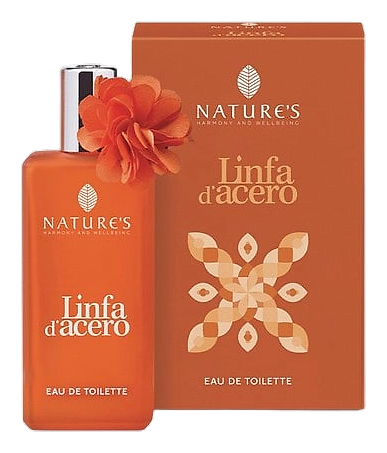
The perfumer behind Linfa d'Acero started with a single question: what does maple smell like when it's not drowning in batter? Not pancake syrup, actual maple. The living sap that moves through trees in late winter, carrying sugar and mineral warmth up toward the bark. The challenge was translating that specific botanical moment into something wearable. Bergamot and blood orange were chosen for the opening to replicate the sharp clarity of cold morning air, the kind that makes the sweetness read brighter by contrast. Then the heart: jasmine and ylang-ylang to give the composition breathing room, a floral cushion between the citrus and the base. The goal was never to smell like breakfast condiments. It was to smell like the tree itself, alive, warm, and close to the skin.
The decision to pair maple syrup with jasmine and ylang-ylang is the composition's quiet risk. Gourmand notes and white florals don't automatically coexist, one pulls toward food, the other pulls toward garden. The bridge is candied fruit: a translucent sweetness that echoes the maple without competing, allowing the florals to read as natural rather than decorative. Patchouli and vanilla in the base keep the drydown from becoming purely dessert. They add a groundedness that makes the warmth feel earned rather than declared. The result is a fragrance that smells like something you recognize but couldn't have named before you smelled it.
The evolution
The first minutes belong to citrus. Bergamot opens sharp and immediate, followed quickly by blood orange, tart, slightly bitter, the kind of brightness that wakes you up. The maple doesn't fight for position. It arrives quietly, about ten minutes in, and begins to deepen everything it touches. The jasmine and ylang-ylang emerge around the thirty-minute mark, softening the citrus edges into something rounder and more intimate. This is where Linfa d'Acero becomes its own scent. The candied fruit accord gives the heart a translucent sweetness that stays clean rather than cloying. By the second hour, the base notes have taken over. Vanilla and patchouli create a warm, woody foundation that lingers close to the skin. On fabric, the drydown can last into the following day, faint, sweet, and softly present. On skin, expect four to six hours of moderate sillage. It doesn't fill a room. It stays with you.
Cultural impact
Linfa d'Acero arrived during the peak of the sweet-gourmand cycle, when most releases in the category leaned heavily on caramel, tonka, and praline. Its use of maple syrup as a primary rather than supporting note made it stand apart, unusual enough to earn a second look from anyone bored by the genre's repetition. Among comparable sweet-fruity-citrus releases from independent Italian houses in the early 2020s, it occupies a specific niche: warm enough to be approachable, woody enough to be taken seriously. The fragrance speaks to a wearer who wants sweetness without softness, someone who noticed the maple in the name and bought it for that reason alone.