The Story
Why it exists.
The beginning
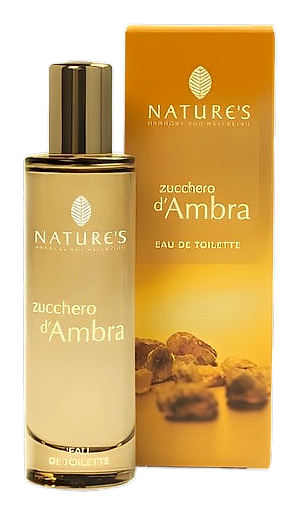
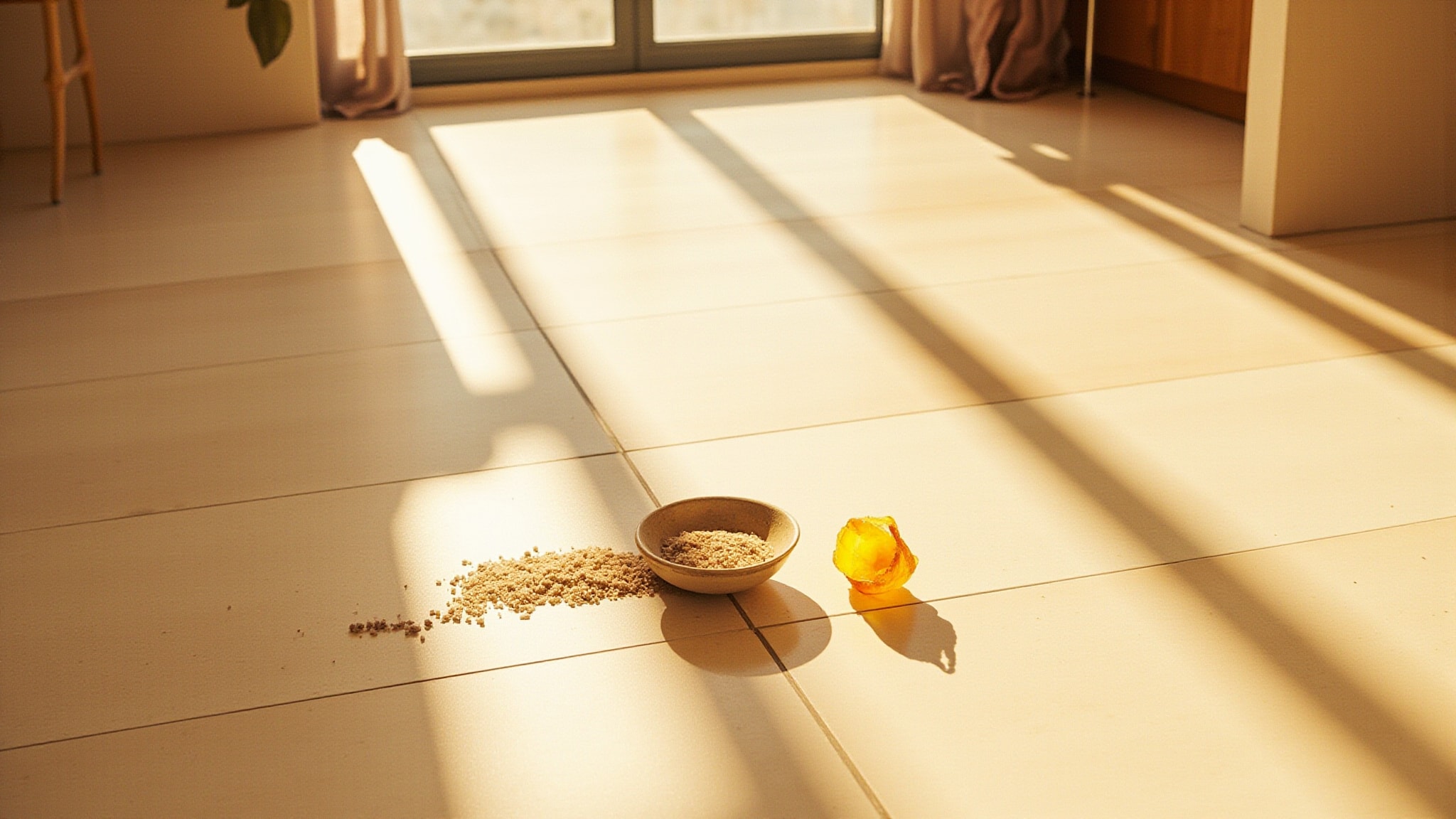
The name says everything. Zucchero d'Ambra, amber sugar, refers to a specific Italian tradition of preserving citrus peels in heated sugar syrup, creating something golden, translucent, and intensely sweet. The perfumers at Nature's took this as their literal brief: translate the color, texture, and warmth of that candied amber into a fragrance composition. Rather than replicate a culinary process, they sought its emotional equivalent, the feeling of entering a kitchen where something sweet has been warming on the stove all afternoon. The result pairs raw sugar cane extract with amber resin, two ingredients that share an organic warmth neither could generate alone.
What makes Zucchero d'Ambra unusual isn't the individual notes, caramel, vanilla, and amber appear in countless sweet fragrances, but their proportions and their restraint. The amber extract serves as a fixative and a modifier simultaneously; it sweetens the vanilla without making it louder, and it deepens the caramel without turning it bitter. Cedar and ebony complete the picture with a woody dryness that prevents the composition from becoming syrupy. The result is sweet but not cloying, warm but not heavy, a balance that separates this from the category of confectionery fragrances.
The evolution
The opening registers first as sugar, raw, crystalline, immediate. Bergamot appears briefly, a flash of citrus that lifts the sweetness just enough to prevent it from flattening. Within twenty minutes, the caramel and vanilla emerge as the dominant character, filling out the middle with a warm fullness that reads as golden rather than brown. The cedar arrives at the hour mark, introducing a dry, slightly resinous counterpoint that changes the fragrance's texture without changing its warmth. The ebony appears last, in the deep drydown, adding a subtle darkness that keeps the sweetness honest. On fabric, this evolution compresses into four hours of steady warmth followed by a faint amber trace that lingers into the next day.
Cultural impact
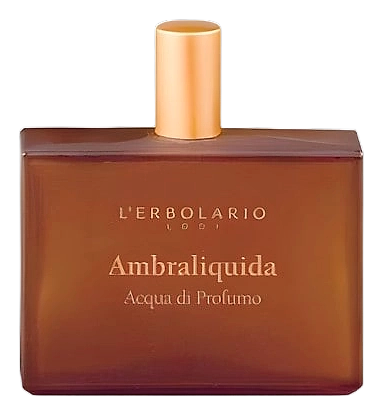
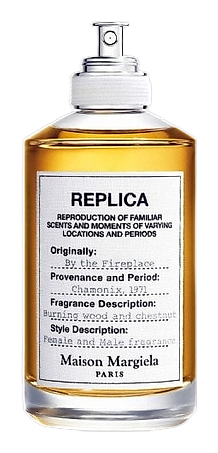
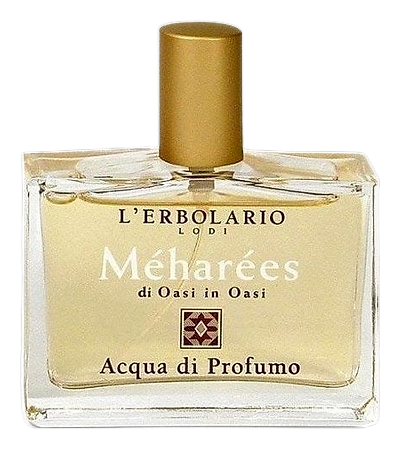
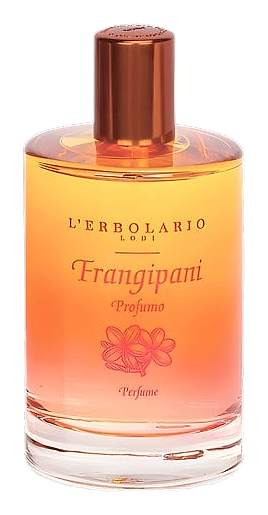
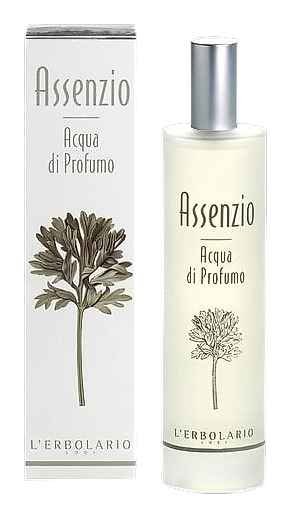
Zucchero d'Ambra occupies a specific niche in the contemporary Italian fragrance landscape: sweet enough to satisfy fans of vanilla-forward compositions, grounded enough to appeal to those who resist florals or orientals. It sits alongside similar warm-sweet fragrances from houses like L'Erbolario and Maison Martin Margiela, though its amber-and-sugar concept gives it a distinctive Italian identity rooted in candied citrus traditions rather than imported oriental tropes.