The Story
Why it exists.
The beginning
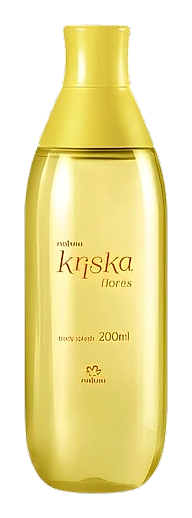
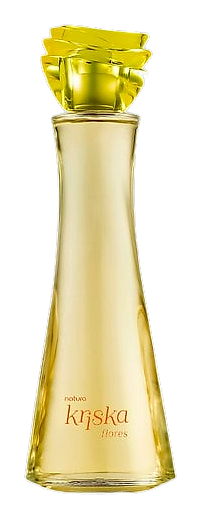
Natura built its identity on botanical sourcing and ethical supply chains, but in 1994 the house was still finding its voice in fragrance. Kriska Flores arrived that year as one of the earliest expressions of what Natura would become, a Brazilian perfumery that could hold its own against European classics without pretending to be one. Verônica Kato worked with the house to translate that ambition into a scent that felt rooted in place: tropical florals, warm woods, a powdery finish that refused to be cold or synthetic. The name, Flores, the Portuguese word for flowers, was a statement of intent. This was a fragrance that took its time, bloomed slowly, and asked to be worn rather than merely noticed.
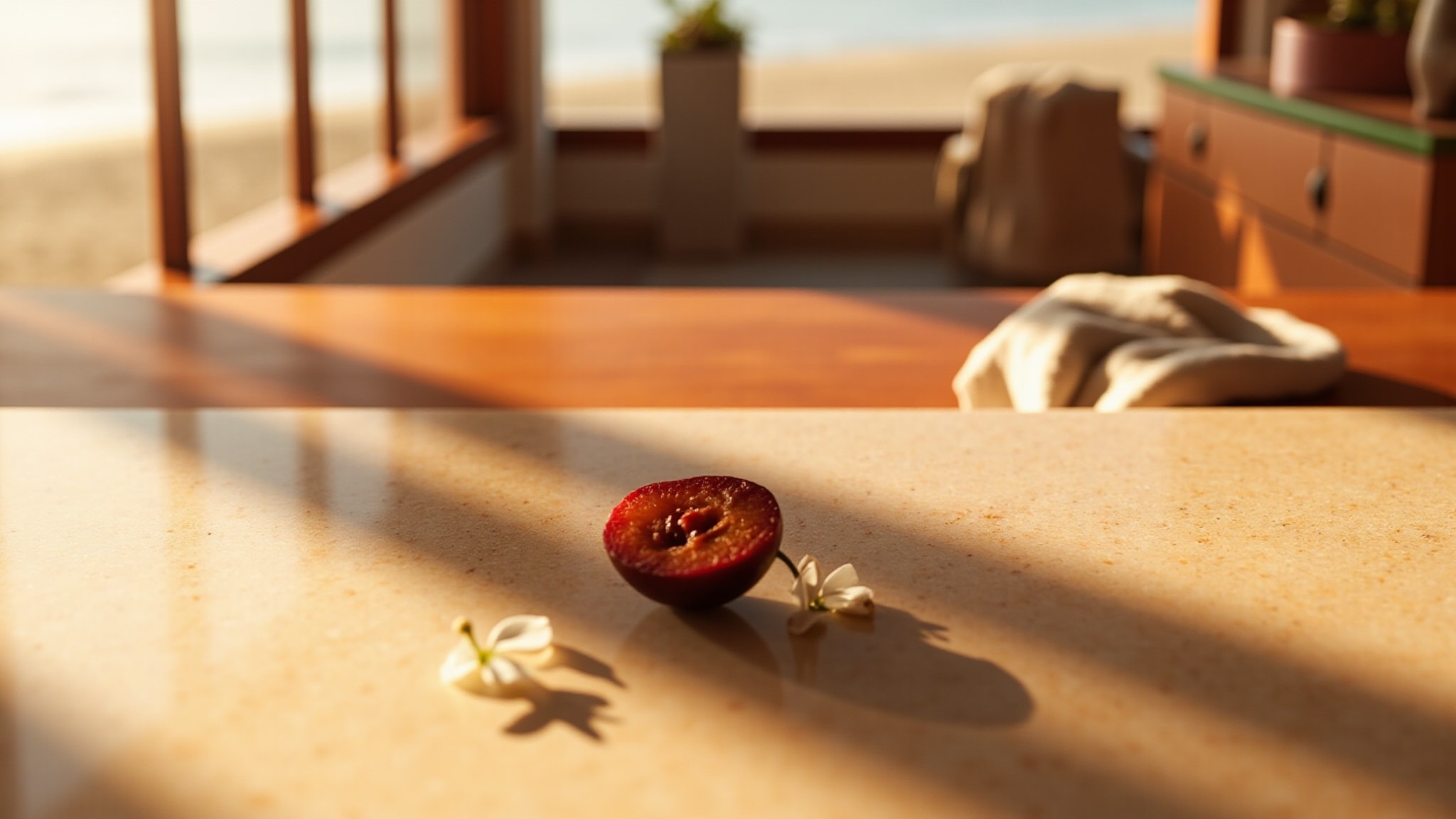
What makes Kriska Flores unusual is the tuberose. In most compositions it arrives early and loud, crowding the stage. Here it waits. The top notes, bergamot, plum, a quiet hint of cardamom, establish a bright, fruity opening that feels almost effortless. Then the jasmine and freesia arrive, followed by the tuberose, and the character shifts. The florals here aren't delicate. They're waxy, substantial, almost green at the edges. Bulgarian rose adds a honeyed depth that keeps the heart from reading as purely white. The result is a floral heart that feels dense rather than airy, tropical in the way that tropical things are, which is to say humid, present, alive.
The evolution
The opening hits bright: bergamot and plum arrive juicy and almost confectionery, with a cardamom accent that adds quiet spice. Then the heart arrives and the character shifts. Jasmine and tuberose move in with weight, not loud, but substantial, the kind of floral that has presence. The freesia is subtle, almost buried, while the Bulgarian rose adds a honeyed depth that rounds the garden into something cohesive rather than chaotic. This is where the surprise lives: the opening suggested something light and fruity, but the heart insists on depth. As the hours pass, the drydown settles into a warm, powdery close. Sandalwood and cedar form a clean woody base that holds everything. Benzoin and bourbon vanilla add a soft sweetness that wraps around the skin. Musk lingers last, not animalic, just present, close, intimate. The longevity is real: six to eight hours on most skin, with a sillage that stays moderate throughout. The fragrance never announces itself loudly. It waits for you to notice.
Cultural impact
Kriska Flores arrived in 1994 as a defining moment for Brazilian perfumery, representing Natura's first serious attempt to compete internationally with a full-bodied floral fragrance. At a time when Brazilian fragrance houses focused primarily on light colognes and single-note compositions, Kriska Flores challenged conventions by layering tropical florals against warm, powdery bases. The fragrance marked Verônica Kato's vision of translating Brazil's botanical wealth into sophisticated perfumery, using native ingredients alongside classic materials. Its moderate sillage and enduring longevity made it accessible for daily wear while maintaining enough complexity to reward close attention. Kriska Flores helped establish Natura as a credible player in Latin American perfumery, paving the way for the house's later international expansion.