
The Story
Why it exists.
The beginning
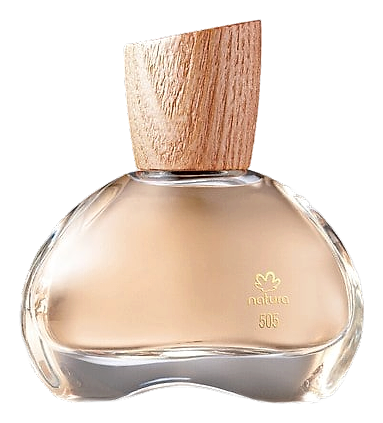
Verônica Kato built 505 Íris Priprioca around a material most of the world has never smelled. Priprioca is a rhizome with a camphoraceous, almost mineral-earth aroma that is uncommon in Western perfumery. Iris was the obvious counterweight: cool, powdery, classical. The tension between the two, one rooted and strange, one refined and familiar, became the fragrance's entire reason for existing. The Alta Perfumaria collection gave Kato the space to feature priprioca at the center of a composition rather than buried in a base, and the result is a fragrance that feels both rooted and refined.
What makes this work is restraint. The bergamot and bitter orange let the priprioca breathe, so the opening reads as a conversation between two different kinds of freshness: the bright kind you find in a citrus grove, and the deep kind you find in wet soil. The iris in the heart is leaner here, almost airy, which means the powdery character never overwhelms. The Brazilian botanicals, breuzinho in the base alongside patchouli and moss, ground everything without darkening it.
The evolution
The opening hits in layers rather than all at once. Citrus brightens first, lemon and bergamot, quick and clean. The priprioca surfaces after a few minutes, not replacing the citrus but settling beneath it, adding mineral depth that feels almost like wet stone. Pink pepper and black pepper provide a faint spice that keeps things lively without heat. The iris takes over in the heart, and with it comes a powdery softness that smooths everything that came before. Rose and jasmine appear as quiet supporting voices, not the main event. The drydown is where the fragrance earns its keep: musk and amber warm the skin gently, patchouli adds a resinous bass note, and the moss keeps it grounded. What lingers on fabric is a faint, clean musk with a trace of earth, not animalic, just present, like someone was here.
Cultural impact
Priprioca appears as a lead note here, which is uncommon in commercially available fragrances where it typically serves as a base component. Fragrance communities have taken notice of how this material behaves within an iris-forward composition, curious about what it brings to such a pairing.
The House
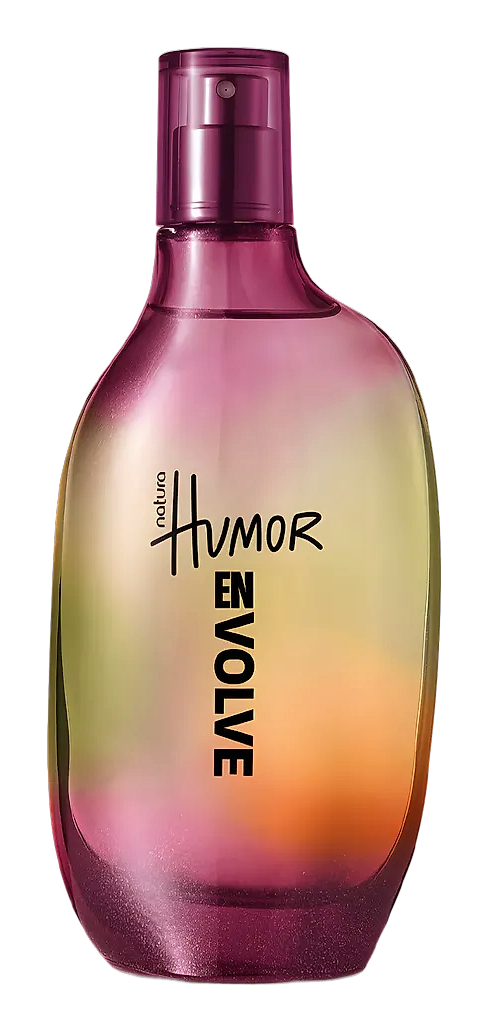
NaturaNatura is a Brazilian fragrance and cosmetics house that blends botanical heritage with modern scent design. Founded in the late 1960s, the brand grew from a small São Paulo workshop into a regional leader known for fragrances such as Ciprus (1990) and Encanto das Rosas (2020). Its portfolio balances classic accords with ingredients sourced from the Amazon basin, offering consumers a scent experience rooted in nature and craft.
The Creator
Verônica KatoKato builds her fragrances on what she calls a foundation: black pepper, cardamom, coumarin, and amber anchor her masculine work, creating a recognizable house signature that threads through Essencial Palo Santo, Homem Tato, and Homem Neo. For her feminine creations, she gravi…