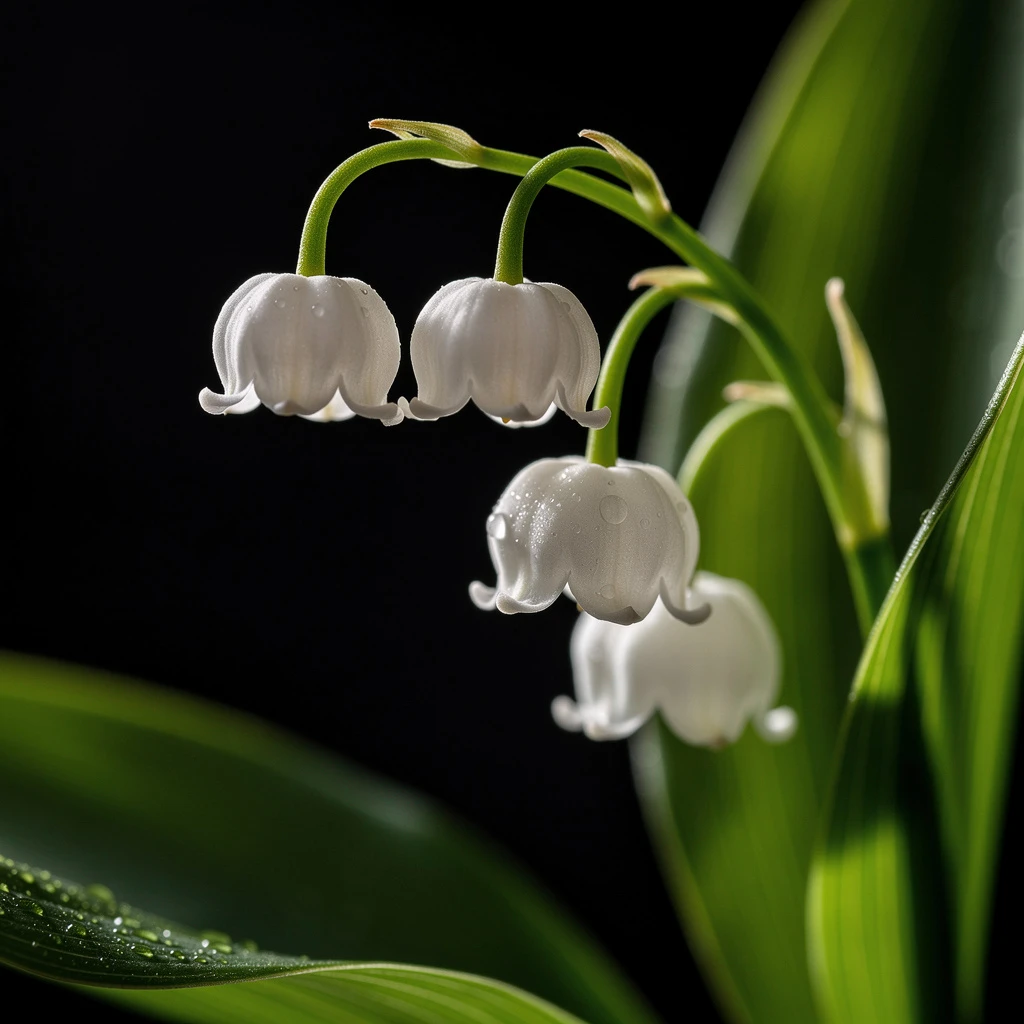
Breu-Branco
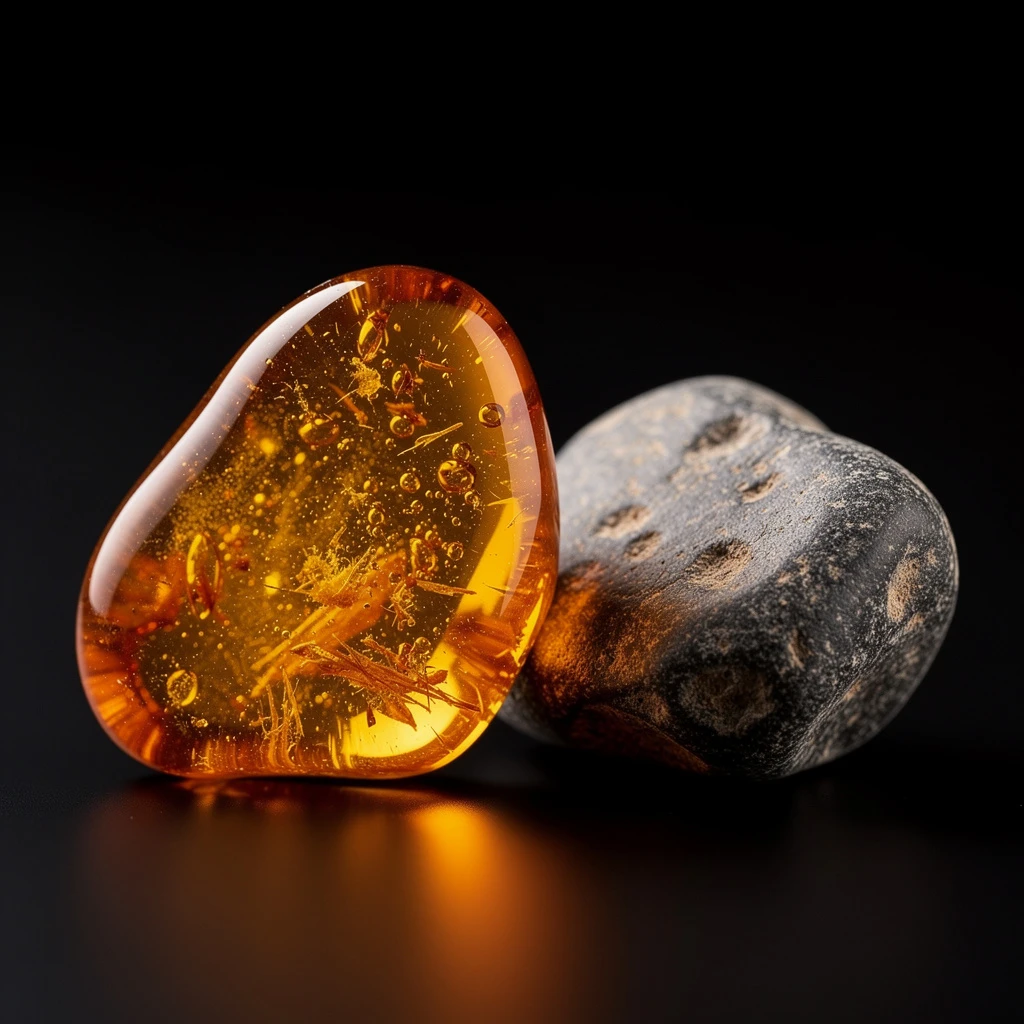
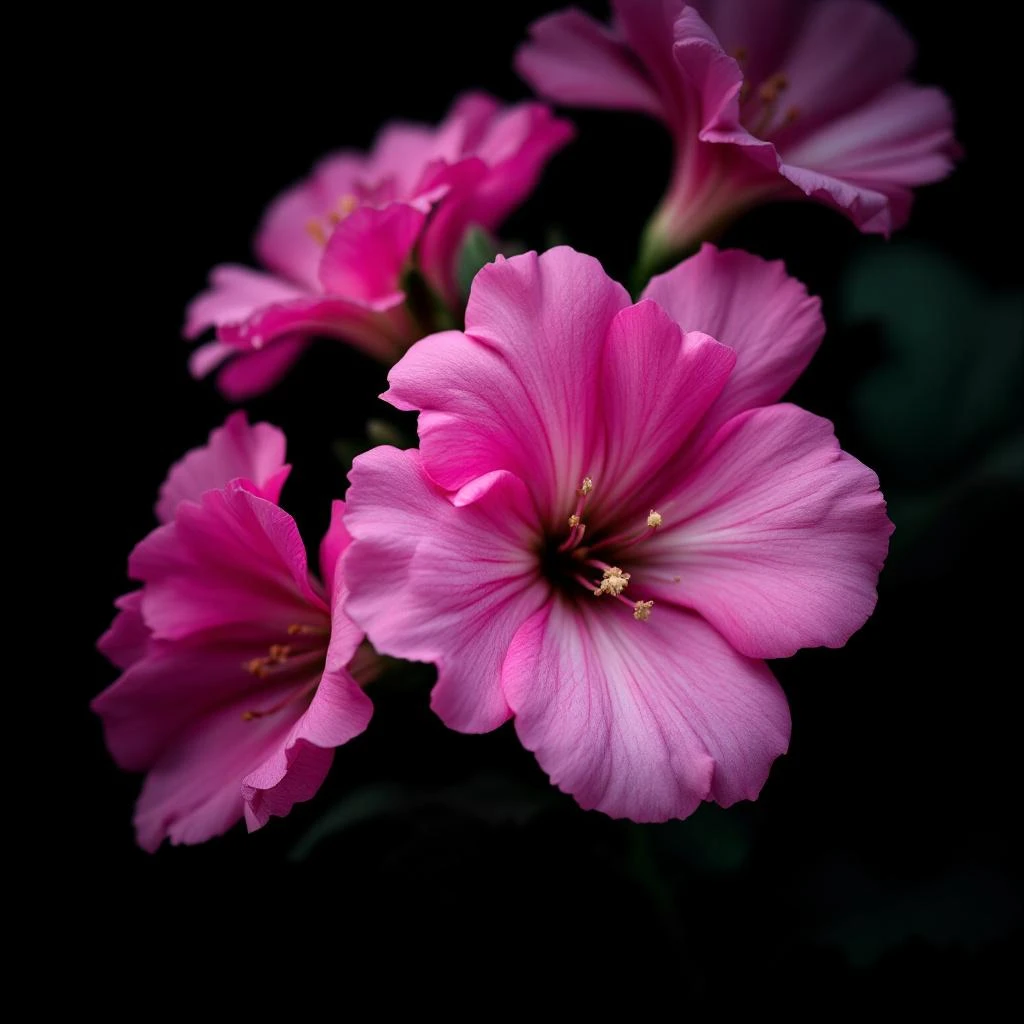
White Breu, a translucent Amazonian resin, offers a warm, slightly sweet woody note that anchors modern blends with a touch of rainforest depth.
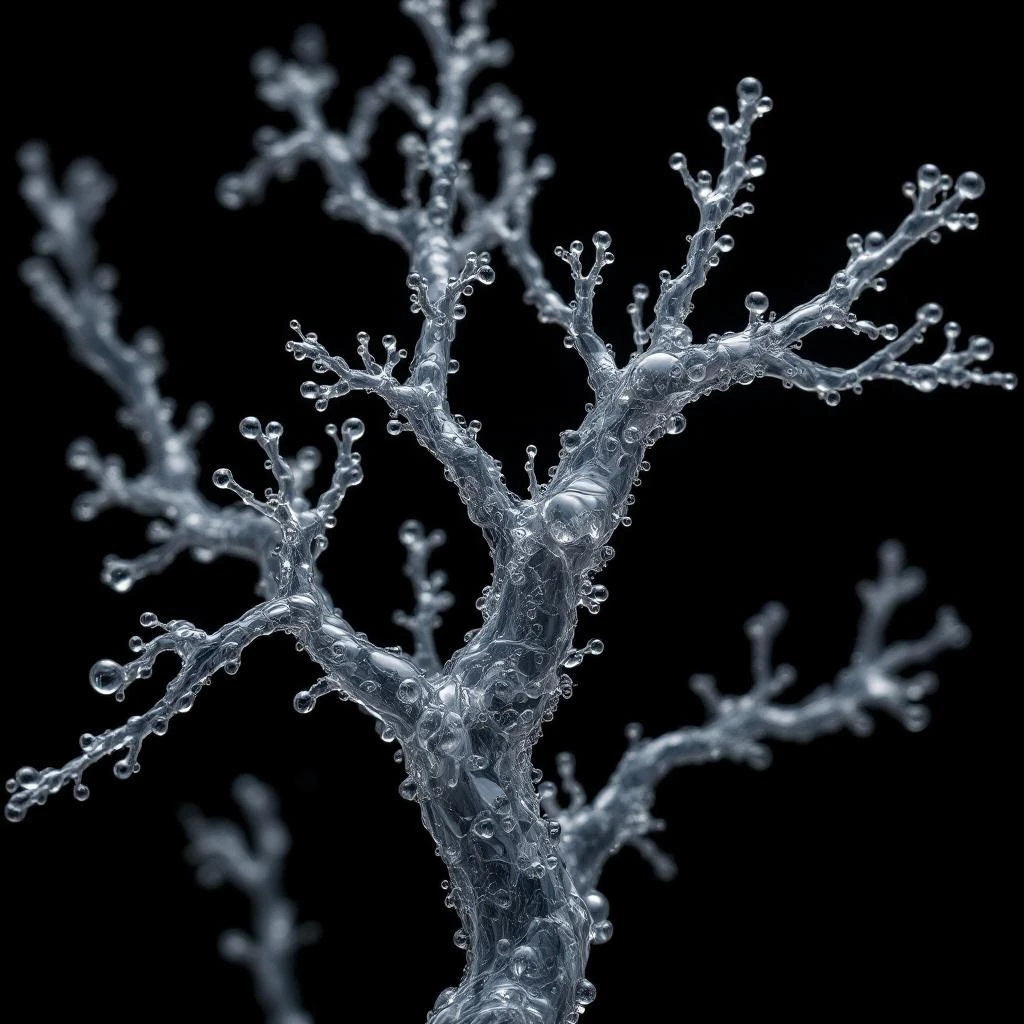
Character
How it smells
Rainforest resin that grounds fragrance with warm wood.
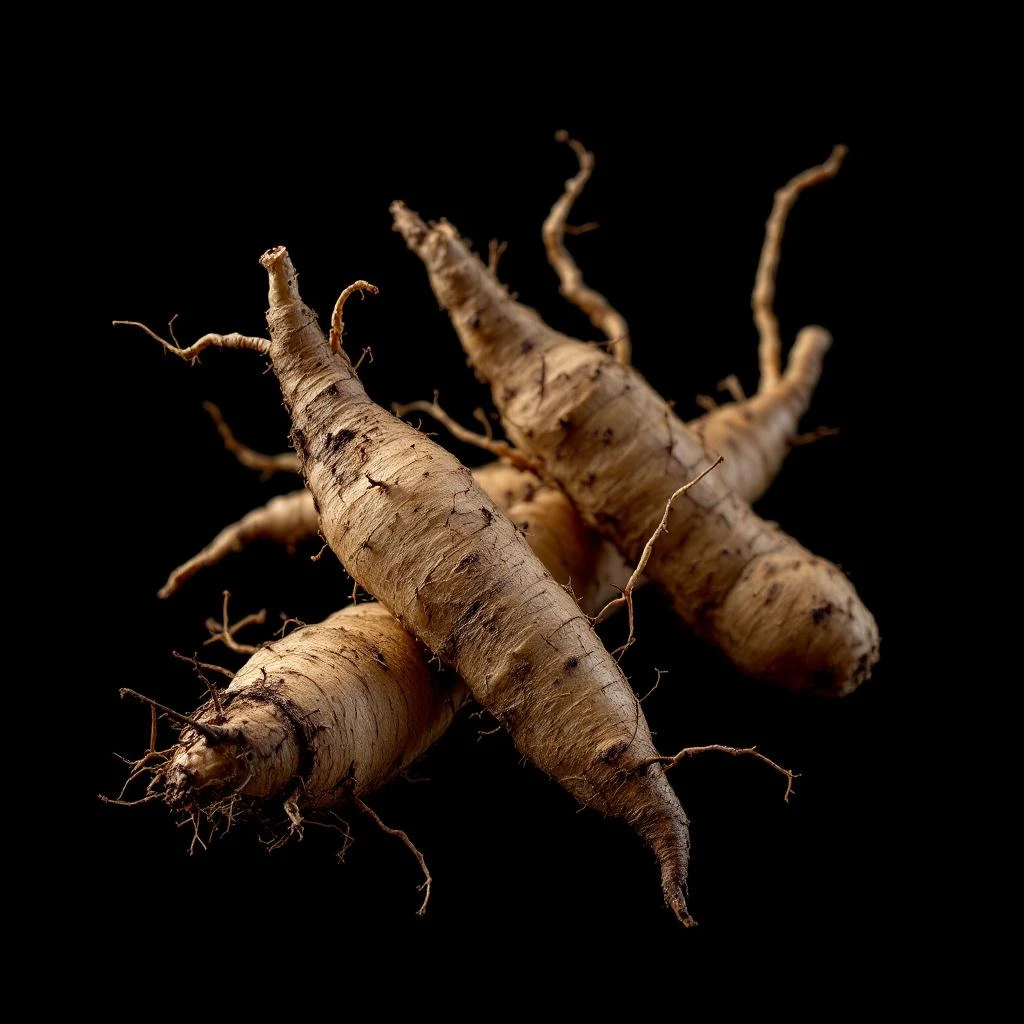
Indigenous Amazon tribes harvest Breu‑Branco by slicing the bark; a single tree can produce up to 0.8 kg of resin each dry season, enough for dozens of perfume batches.






Origin
Brazil
Breu‑Branco has served Amazonian peoples for centuries as a medicinal balm and ceremonial incense. Early explorers recorded its use in trade caravans that moved from river ports to interior villages.
In the 19th century, Brazilian perfumers began experimenting with the resin, attracted by its rich woody character. By the early 1900s, small boutique houses in Rio de Janeiro incorporated Breu‑Branco into colognes marketed to the elite, branding it as a symbol of exotic luxury.
The mid‑20th century saw a decline as synthetic aromatics entered the market, but a resurgence emerged in the 1990s when natural‑focused designers sought authentic rainforest ingredients. Today, Breu‑Branco appears in niche fragrances that celebrate sustainable sourcing and the deep cultural roots of Amazonian aromatics.
Wears it best
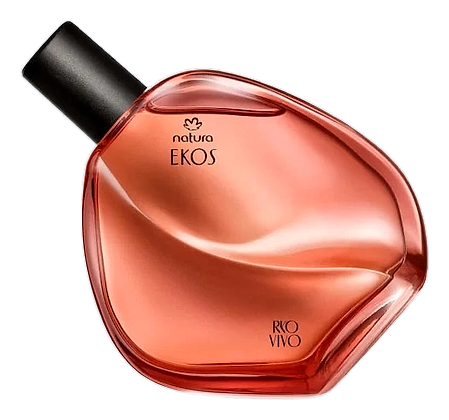
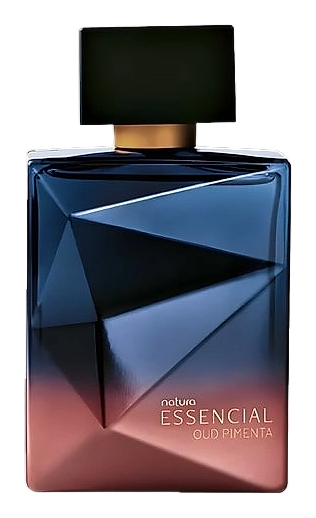
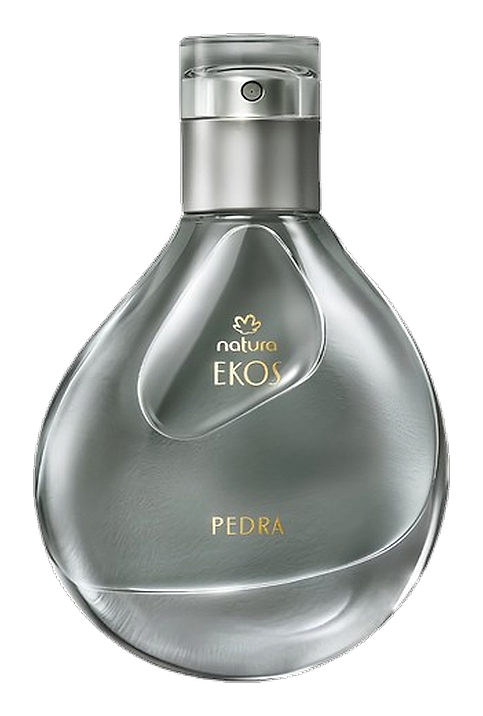
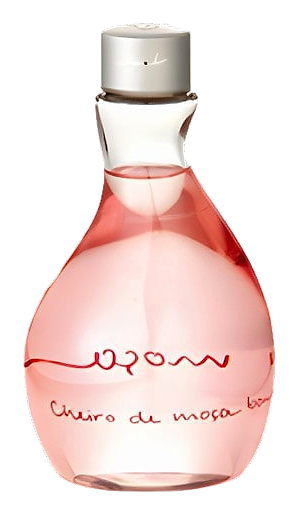
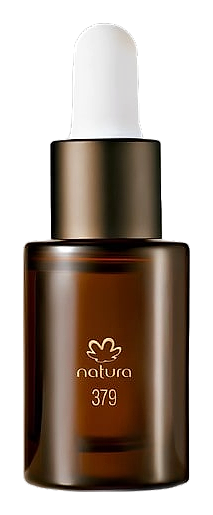
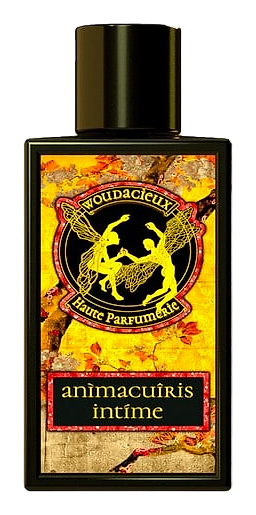
Fragrances featuring Breu-Branco
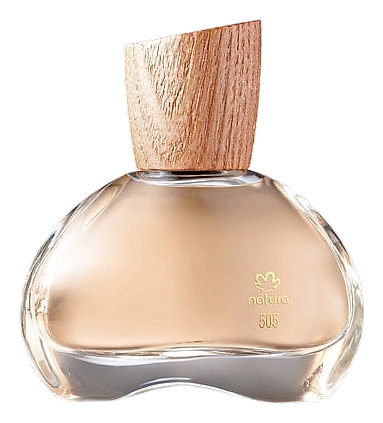
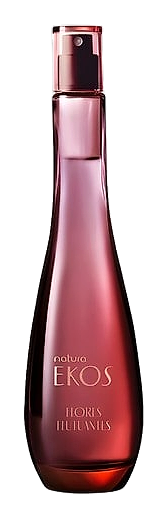
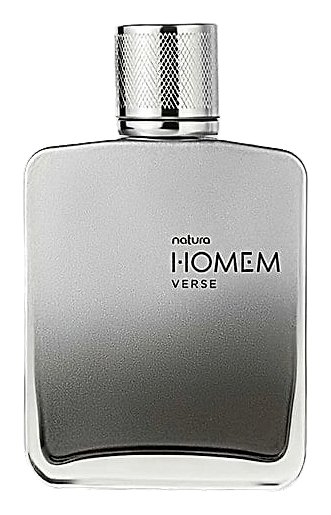
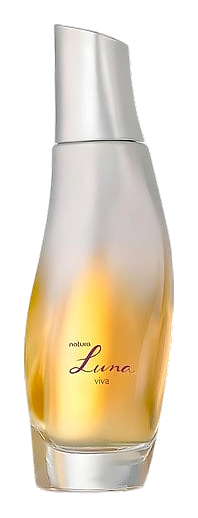


Brands
Brands known for Breu-Branco
Good to know
Questions, answered
The essentials on Breu-Branco in perfumery: how it smells, where it comes from, and how it behaves on skin.
What is Breu‑Branco?
Breu‑Branco is a natural resin harvested from an Amazonian tree. The resin drips from bark incisions and solidifies into a translucent, amber material used for its warm woody aroma. In 2022, Brazil reported 1,200 tons of raw resin collected nationwide.
How is Breu‑Branco harvested?
Harvesters cut shallow grooves into the tree bark and collect the exuding sap in trays. They repeat the cuts every two weeks during the dry season. A typical tree yields about 0.8 kg of resin per harvest cycle.
What scent profile does Breu‑Branco provide?
Breu‑Branco delivers a warm, slightly sweet woody note with faint balsamic undertones. Perfumers describe it as a soft amber that adds depth to oriental and woody compositions. Laboratory analysis shows a dominant presence of sesquiterpenes at 12 % of the absolute.
Is Breu‑Branco sustainable?
The resin is renewable when trees are tapped responsibly and allowed to heal. Community‑run cooperatives in the Brazilian Amazon follow a quota of 0.5 kg per tree per year to avoid over‑extraction. This practice keeps forest cover above 85 % in the harvesting zones.
How long does Breu‑Branco last in a perfume?
Breu‑Branco anchors a fragrance for up to 12 hours on skin, thanks to its high molecular weight compounds. A 2021 stability test recorded a 9‑hour persistence rating in a standard eau de parfum base.
Can Breu‑Branco be synthetically reproduced?
Chemists can mimic its main aroma molecules, but the full complexity of the natural resin remains unmatched. The synthetic analogue reproduces only 65 % of the original scent profile, according to a 2020 comparative study.
Which perfume families commonly use Breu‑Branco?
Breu‑Branco appears most often in oriental, woody, and amber fragrance families. In 2023, 42 % of niche amber blends listed it as a key ingredient on their formulation sheets.
Is Breu‑Branco allergenic?
The resin is generally low‑risk, but a small percentage of users report mild skin irritation. Patch‑test data from 2019 shows a 0.3 % incidence of sensitization among 5,000 volunteers.
In the same family