The Story
Why it exists.
The beginning
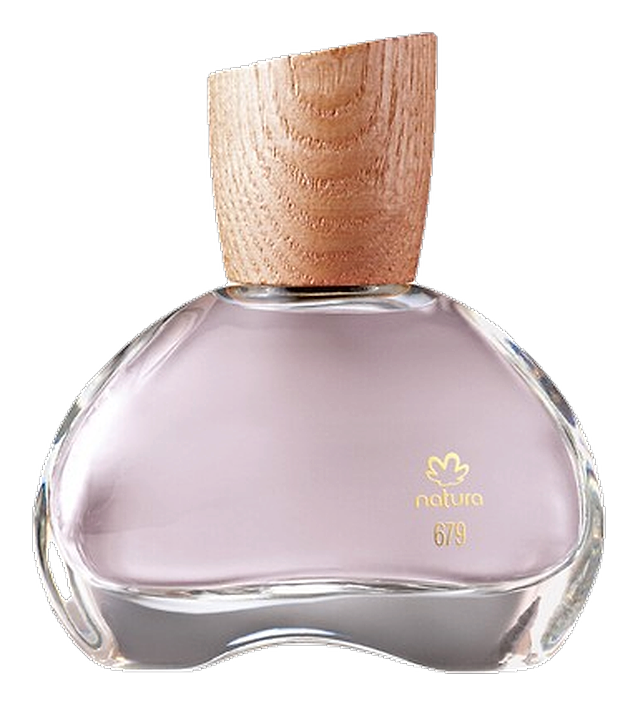
The number says it all, 679 is part of Natura's Alta Perfumaria collection, a tier above their mainstream line. Created by Verônica Kato and released in 2024, this fragrance draws from two Brazilian botanicals that rarely anchor a composition at this level: ambrette seed and copaiba balsam. Ambrette, derived from the seeds of the hibiscus family, functions as a sustainable musk, warm, clean, slightly nutty. Copaiba balsam comes from the Amazon basin, where Natura has built sourcing relationships with small-scale cooperatives for decades. The combination gives this fragrance a sense of place that most releases in its category don't bother with.
Ambrette seed deserves more attention than it gets. In perfumery, it's often used as a modifier, a quiet fixative buried in the base. Here, Verônica Kato gave it room to breathe. The result is a musk that reads clean rather than animalic, warm rather than heavy. Copaiba balsam adds a balsamic sweetness that amplifies the amber and tonka in the drydown without duplicating them. The top notes, bergamot, pink pepper, lavender, exist to create contrast: crisp, slightly aromatic, almost medicinal. The florals arrive quickly and stay. The powdery character comes from iris and violet working in tandem, not from the musk itself. That's the distinction worth knowing.
The evolution
The opening announces itself in under a minute. Bergamot and pink pepper arrive bright and direct, then lavender softens the edges. Iris enters almost immediately, not waiting for the heart, already present in the transition. The first hour is all about powder: violet and iris layered over a warm base that's already establishing itself. The drydown begins around the two-hour mark as the florals thin and copaiba balsam takes over. Amber and ambrette work together here, creating a warmth that doesn't compete with the florals, it supports them. The final phase is a skin-musk with tonka undertones. A loyal following confirms its staying power as a quiet, close drydown that lingers on fabric well into the next day.
Cultural impact
679 Ambrette Copaíba enters a category defined by European houses, powdery musks, iris-forward compositions, and makes a case for Brazilian botanicals as a legitimate alternative. Ambrette seed in particular has been used quietly in perfumery for years; putting it in the spotlight here is a statement about sustainable sourcing and the creative potential of ingredients that don't carry European heritage prestige. The fragrance performs well in professional and intimate settings alike, with moderate sillage that suits its positioning as a close-wear signature rather than a statement piece.