The Story
Why it exists.
The beginning
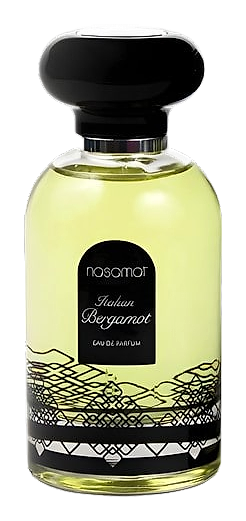
Italian Bergamot landed in 2014 as part of a batch of geographically named fragrances from Nasamat, each release pitched like a postcard from somewhere specific. The name isn't decorative. It's the whole brief: take the listed notes seriously enough to build a whole composition around them, then let the rest of the fragrance fall into place. Coconut shows up uninvited and stays for the whole show, which is the first surprise. The florals come in heavy. The base goes warm and soft. It's a citrus-forward perfume in name only, really. The mandarin and lemon do the bright work at the top, the coconut pulls everything into creamier territory, and the whole thing reads more like a mood board of a long, sun-soaked afternoon than a traditional cologne.
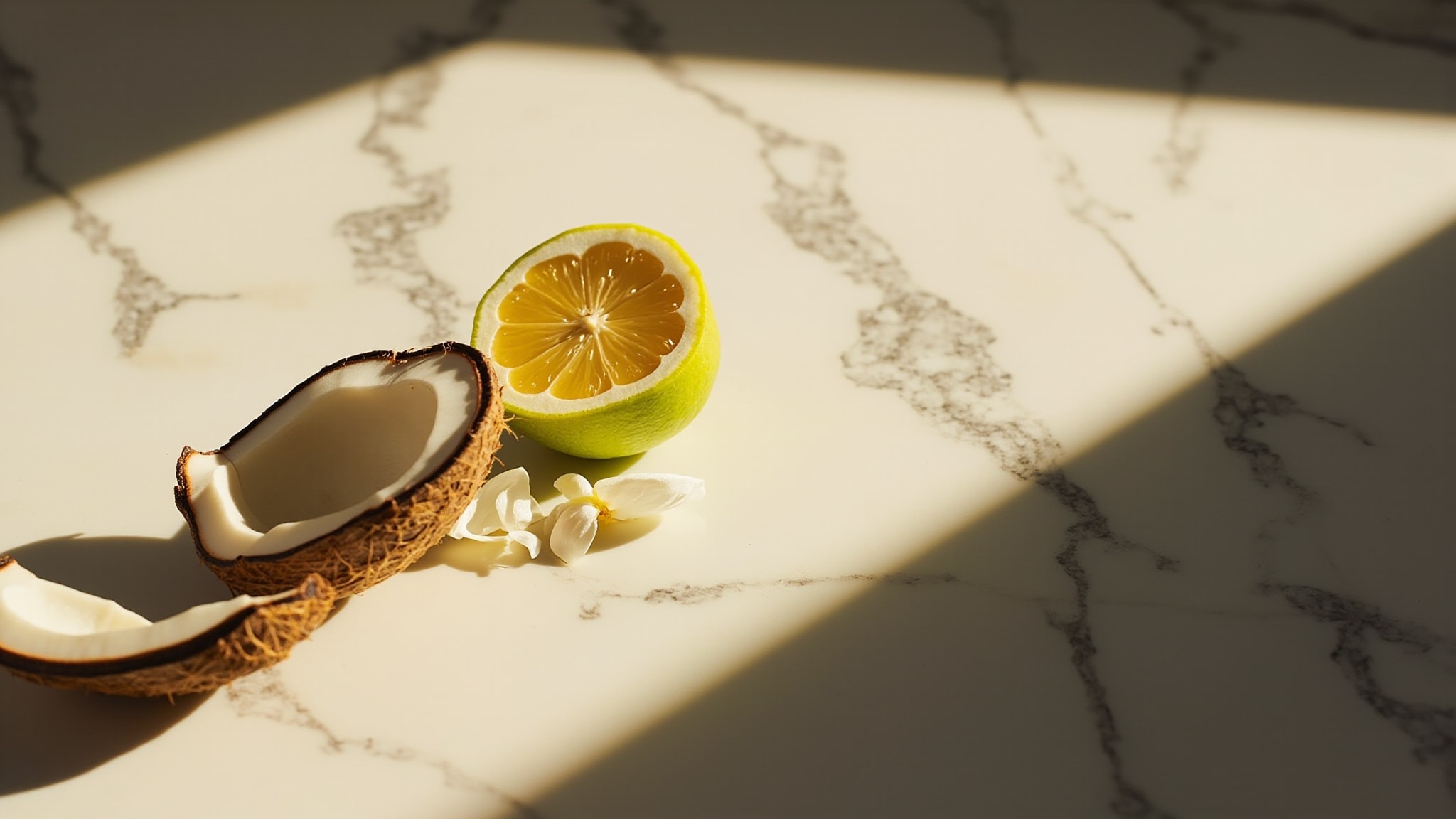
What makes this composition work, and what makes it divisive, is the willingness to let coconut crash the citrus party. The opening reaches for coconut and peach, which pushes the whole first phase into tropical-adjacent territory before the jasmine and tuberose pull it back into white floral territory. That tension between bright fruit and cream, between crisp citrus and lush white petals, is the actual architecture of the scent. The citrus notes become the gravitational center rather than the loudest voice, with mandarin doing the heavier lifting alongside the lemon.
The evolution
The first ten minutes are almost aggressively cheerful. Mandarin, lemon, and the supporting citrus notes come in sharp and bright, undercut immediately by the coconut, which rounds everything off into something closer to sunscreen than cologne. Peach adds a soft, almost candied fruitiness. It's sweet but not cloying. Within twenty minutes, the citrus starts to recede and the white florals take the wheel. Jasmine comes in airy and slightly indolic. Tuberose adds weight, a creamy density. Ylang-ylang pushes it further into tropical territory. This is the most polarizing phase. Some people find it gorgeous and lush. Others find it soapy, dense, too floral. By the two-hour mark, the florals have softened and the base starts to surface: sandalwood, vanilla, amber, and a clean musk that holds it all together. The drydown is warm, slightly sweet, gently woody, and noticeably quieter.
Cultural impact
Italian Bergamot arrived in 2014 as part of a Nasamat lineup built around geographically titled compositions that linked each scent to a specific named origin. The title carries expectations: bergamot is one of perfumery's most recognizable materials, a citrus that has shaped Italian fragrance traditions for generations and appears in everything from classic colognes to modern niche compositions. The name itself signals a commitment to the ingredient, asking the fragrance to justify that weight.