The Story
Why it exists.
The beginning
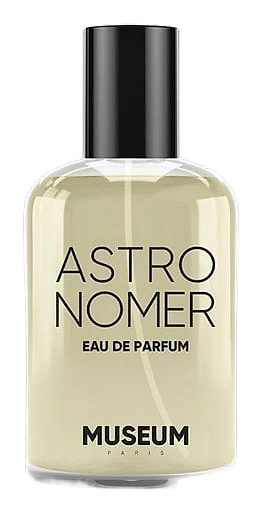
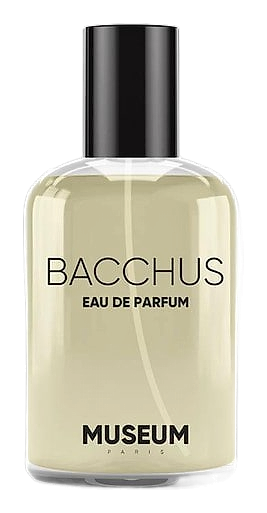
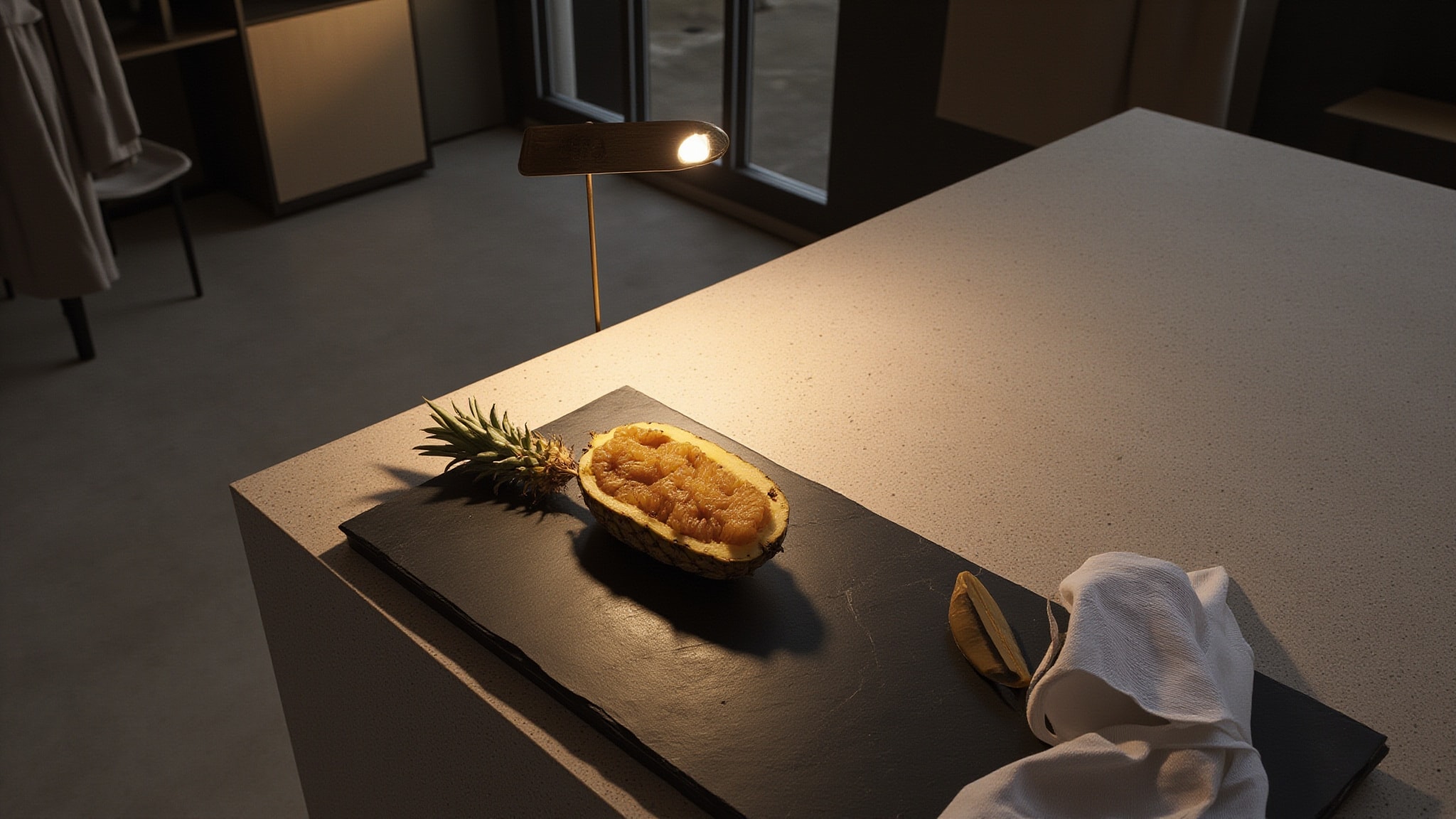
Bacchus is the Roman god of wine, revelry, and theater. Museum Parfums named its 2019 exhibit after him. The choice says plenty. This composition opens with the kind of exuberance you'd associate with a celebration, bergamot and pineapple pouring out like someone already poured the first glass. Then it pulls you somewhere quieter, somewhere with oakmoss on the forest floor and tobacco leaf drying in a barn. The bright citrus and tropical fruit at the top feel almost like an overture, loud enough to set expectations, generous enough to make you lean in.
The unusual note pairing sets this apart. Pineapple and bergamot up top read as bright, almost tropical, the kind of opening that promises something cheerful and uncomplicated. But then birch, patchouli, and cedar claim the heart, and the composition pivots into something mossy and leather-adjacent before you realize what happened. The base layers oakmoss, tobacco, and ambergris in a way that builds on classic structures, grounding the brighter notes in something darker and more contemplative.
The evolution
The first 30 minutes are loud. Bergamot leads, pineapple sweetens, blackcurrant adds that slightly tart green edge, and the whole thing reads almost like a bright tropical cocktail if you stopped there. Don't stop there. The birch arrives first, dry and woody with that distinctive tar-and-woodsmoke character. Jasmine shows up but stays background, more texture than bloom. Patchouli grounds the heart, earthy and slightly damp. Then the transition: the fruit fades, and oakmoss and tobacco move forward in a way that feels like stepping from a cocktail party into the library next door. The drydown belongs to the base notes, where musk and ambergris soften the tobacco while vanilla adds a low sweetness underneath. As the hours pass, what's left on skin reads as warm moss, faint vanilla, and the ghost of that opening pineapple.
Cultural impact
Museum Bacchus arrived in 2019 as part of Museum Parfums' Exhibits Collection, a catalog format that borrows directly from the curatorial language of art institutions. By titling its fragrances as exhibits and grouping them under a collection name tied to museum culture, the brand positions its work within a frame that values catalog form over seasonal release cycles. The Bacchus entry leans into that reference, drawing on a wine-god figure long associated with indulgence and ritual.