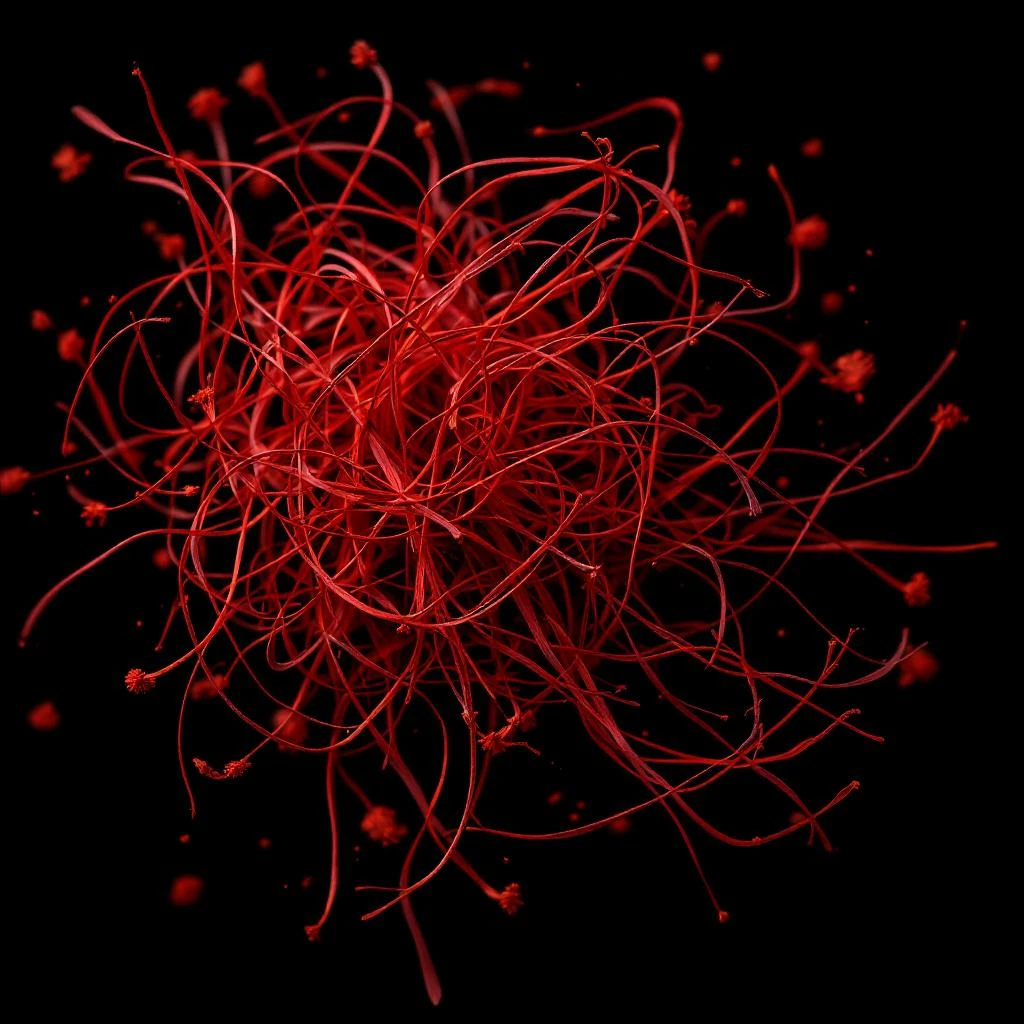
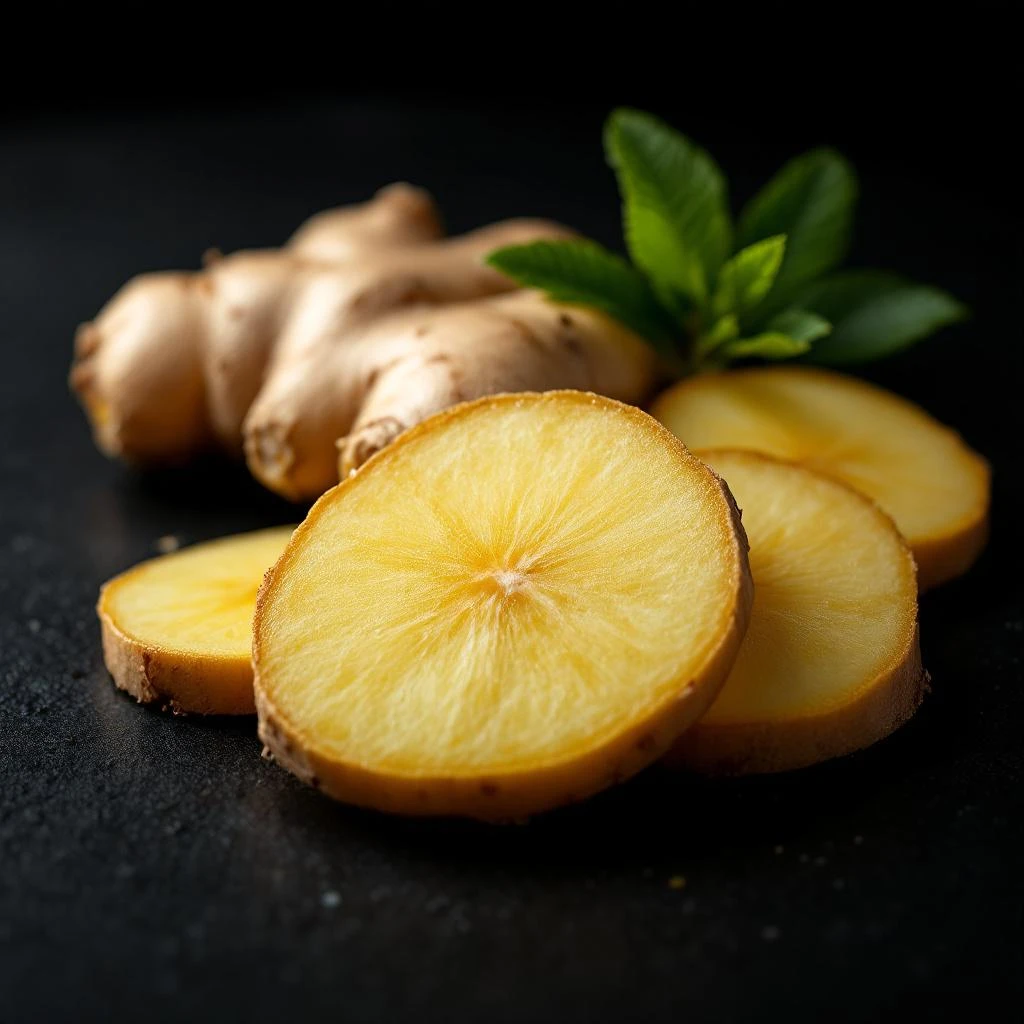
Peppertree
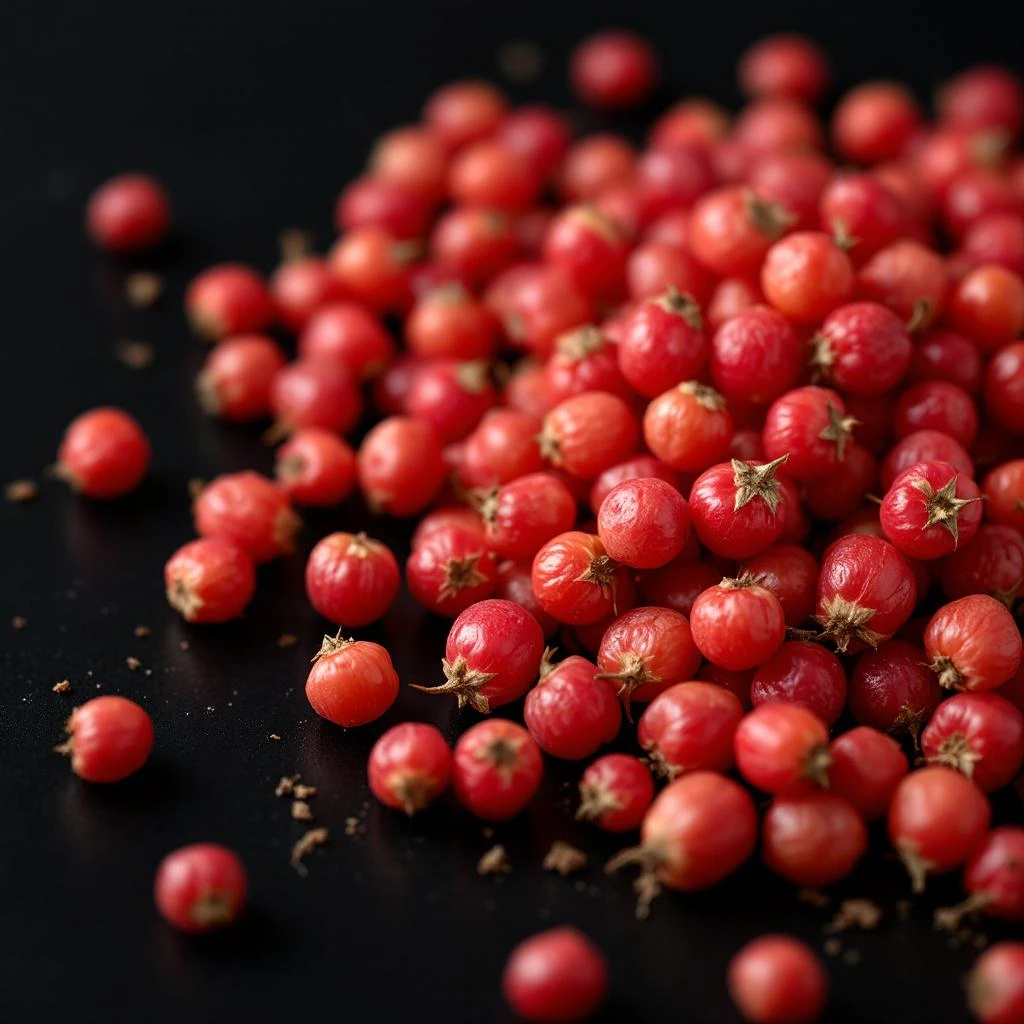
Pepper tree oil captures the crisp spice of South American forests, blending citrus zest with pine‑sharpness for a vivid, natural accent in modern compositions, used by artisans to brighten accords and add a clean, invigorating lift.
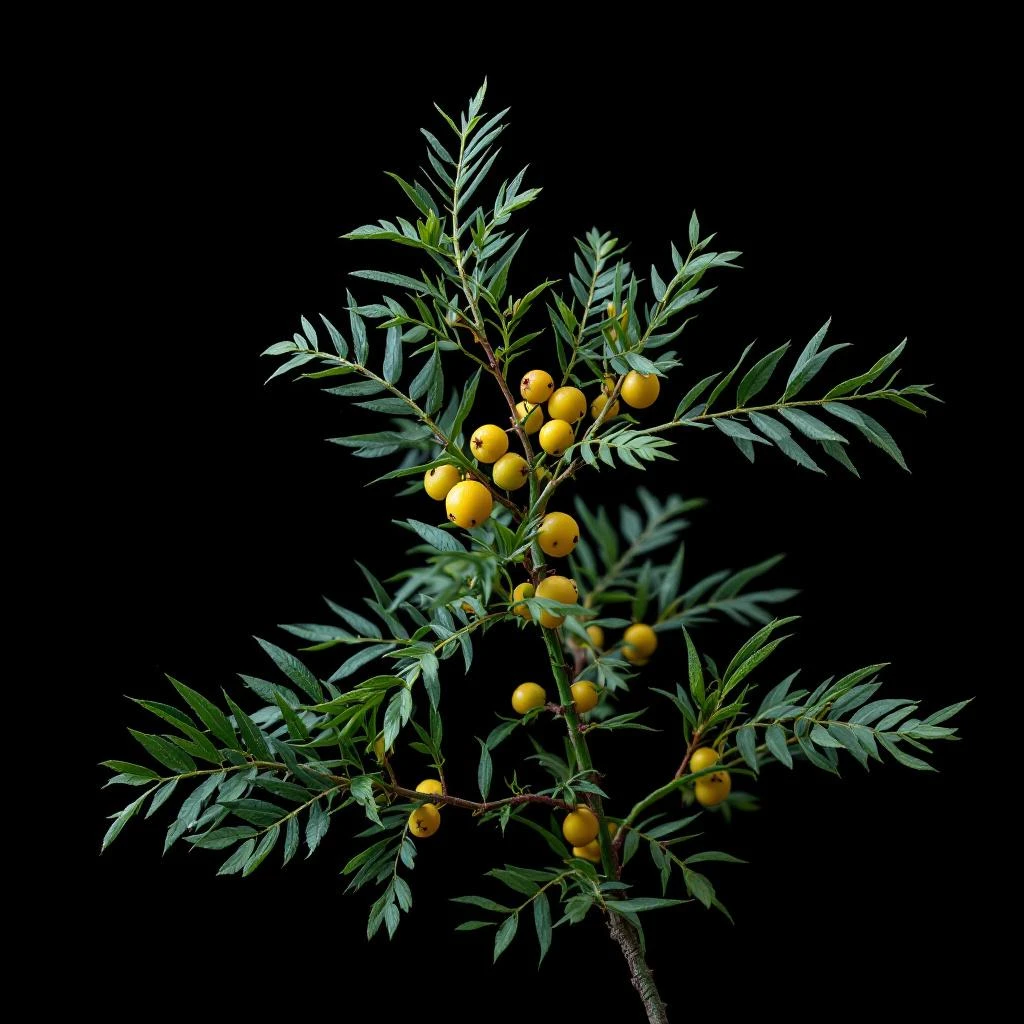
Character
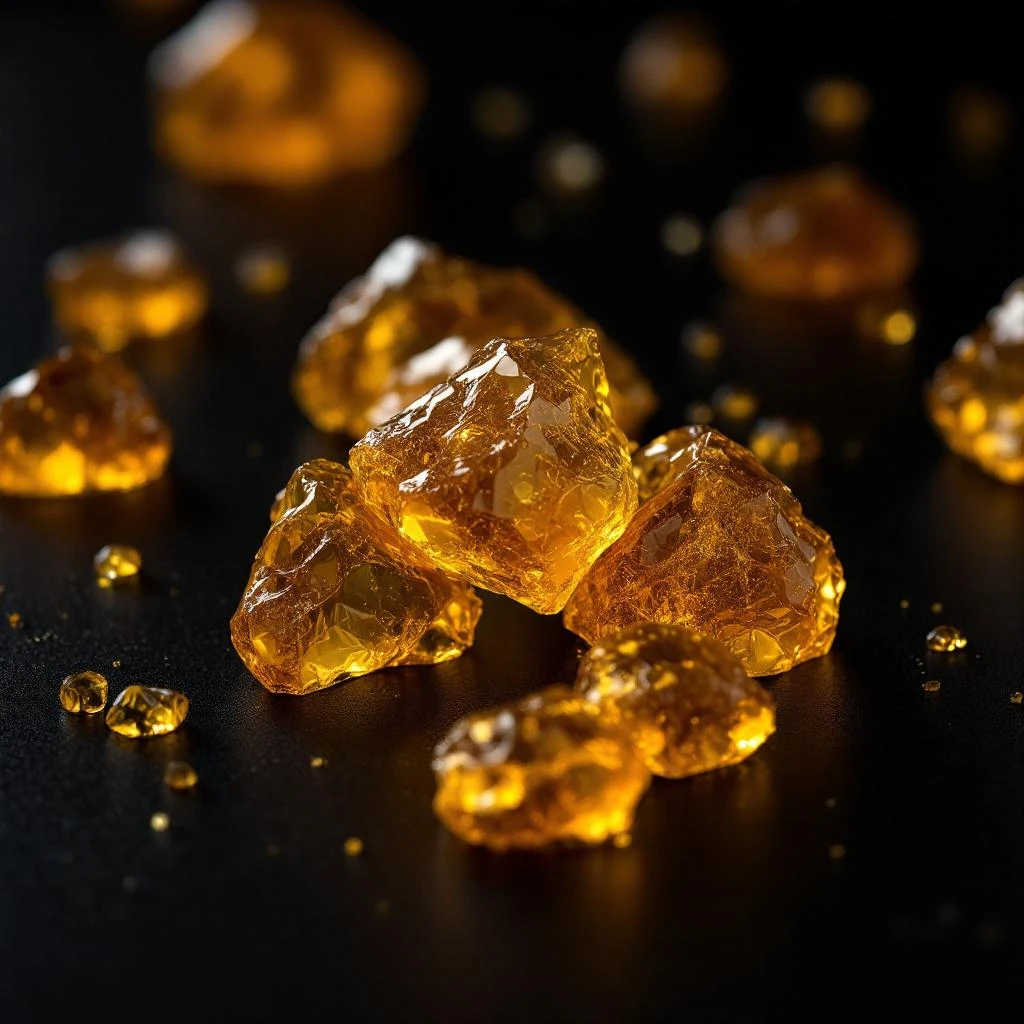
How it smells
Spicy citrus from the heart of the forest.
The berries of the Brazilian pepper tree were once traded as a pepper substitute in colonial markets, allowing ships to carry spice without the high cost of true pepper.





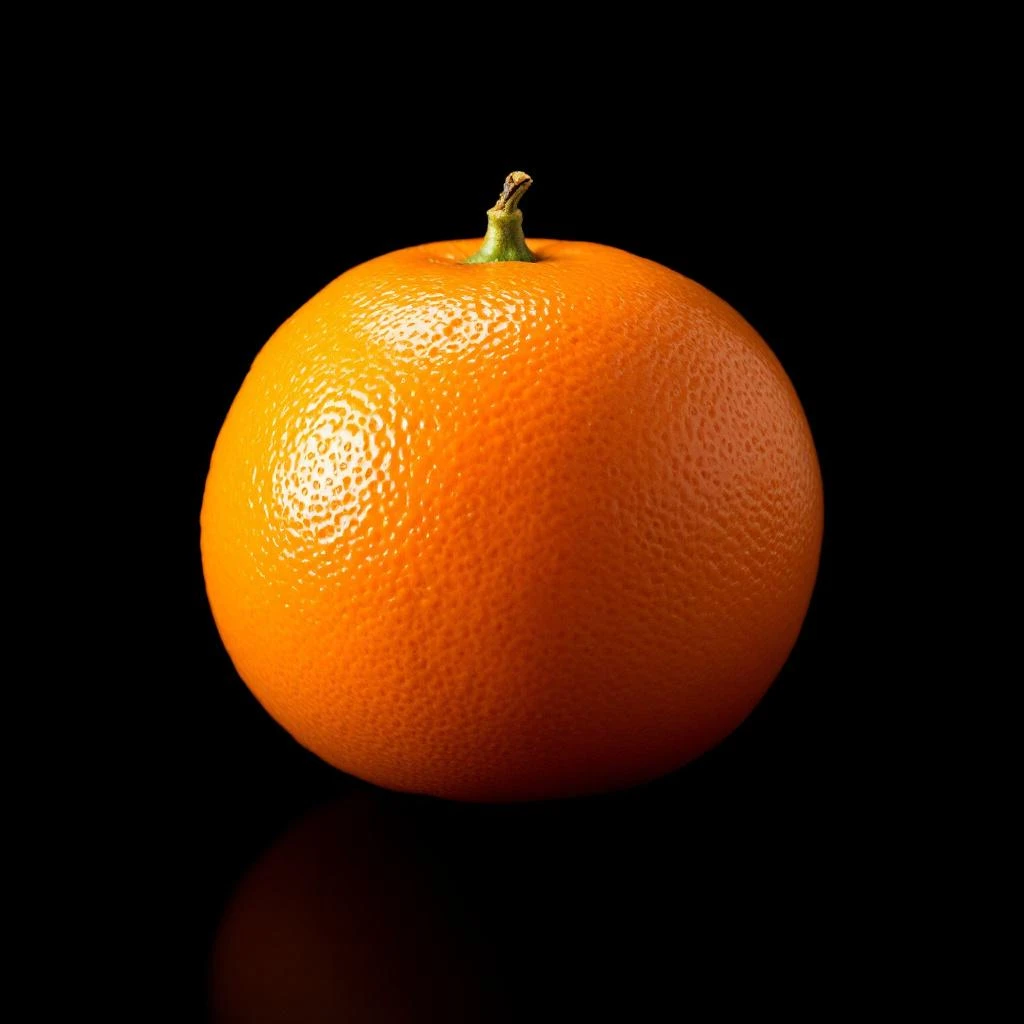


Origin
Brazil
Indigenous peoples of Brazil have used pepper tree berries for culinary and ceremonial purposes for centuries, valuing their mild heat and aromatic qualities. When Portuguese explorers arrived in the 16th century, they noted the tree's peppery scent and introduced the berries to European markets as a cheaper alternative to Asian black pepper.
Trade records from the 1700s list "pimenta de terra" as a staple export from the Rio de Janeiro port, supporting colonial economies. By the early 20th century, perfumers in Paris began experimenting with the oil, attracted by its bright, pine‑like character that could lift heavy floral blends.
The 1930s saw the first commercial distillation facilities in Brazil, aligning with the global rise of natural ingredients in luxury fragrances. Today, the oil remains a bridge between traditional botanical knowledge and contemporary scent design, honoring its roots in South American ecology while appearing in high‑end perfume collections worldwide.
Wears it best
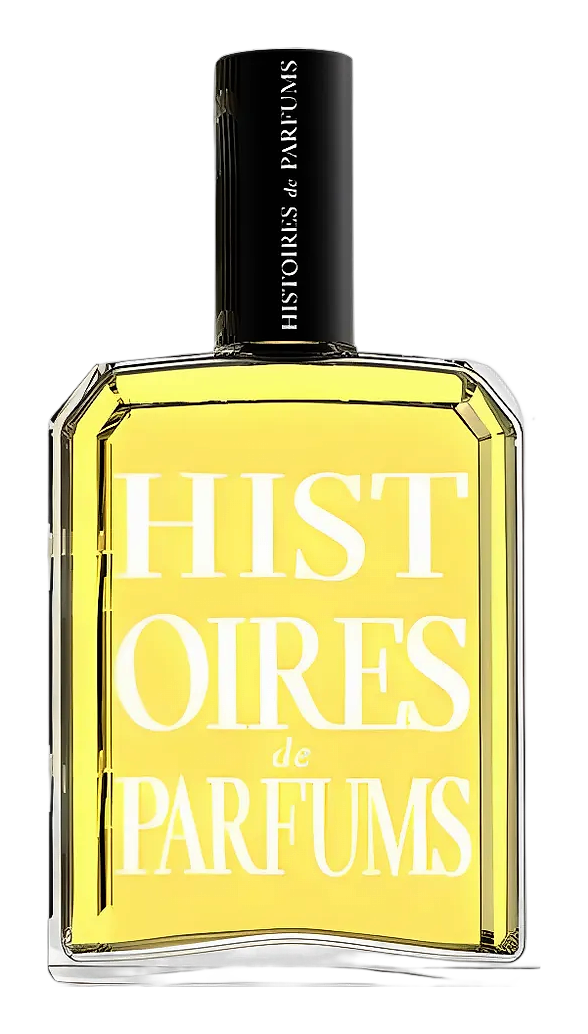
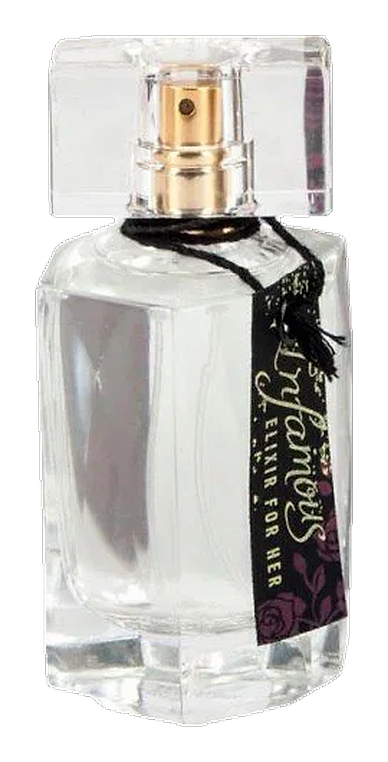
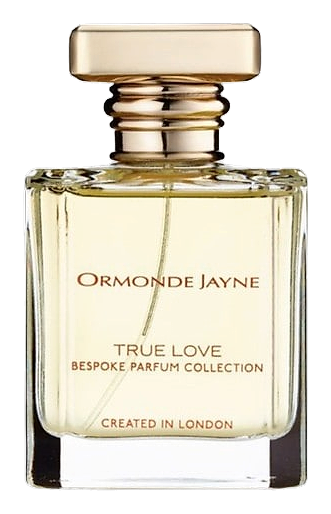
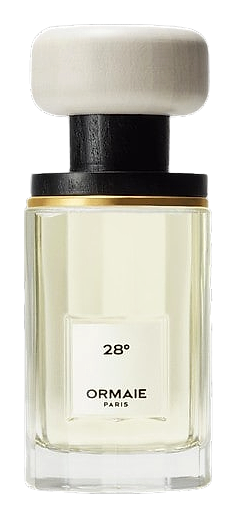
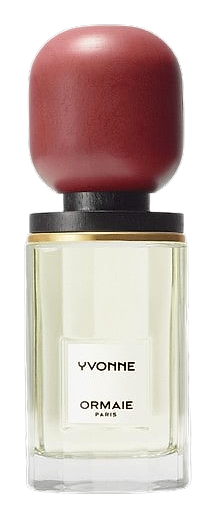
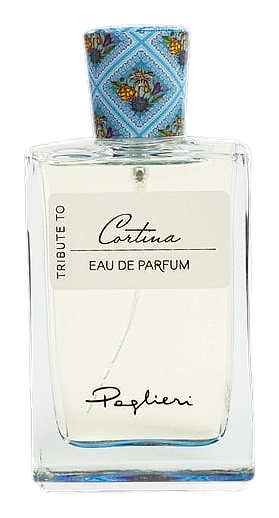
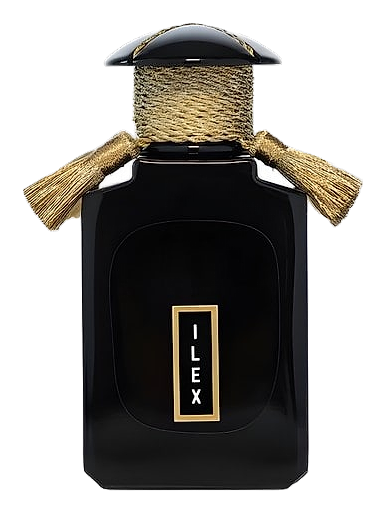
Fragrances featuring Peppertree

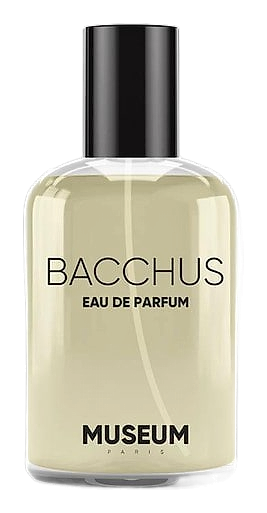
Brands
Brands known for Peppertree
Good to know
Questions, answered
The essentials on Peppertree in perfumery: how it smells, where it comes from, and how it behaves on skin.
What aroma does pepper tree oil impart?
Pepper tree oil delivers a bright, spicy‑citrus aroma with a pine‑like edge. Its profile centers on α‑pinene, which can reach 30 % of the oil composition, giving the scent its sharp clarity. The fresh note pairs well with herbal and woody bases, enhancing their vibrancy.
How is pepper tree oil used in modern perfumery?
Perfume creators employ pepper tree oil to lift floral bouquets and sharpen oriental blends. In 2021, over 1,200 kilograms of the oil entered the global fragrance market, according to the International Fragrance Association.
Is pepper tree oil safe for skin contact?
Regulatory bodies set a skin‑sensitization limit of 0.5 % for pepper tree oil in leave‑on products. A 2020 safety review recorded no adverse reactions when the oil stayed below this threshold.
What sustainability practices surround pepper tree harvesting?
Harvesters collect ripe berries from wild trees, then replant seedlings to maintain forest cover. A 2019 study in the Atlantic Forest reported a 12 % increase in tree density where community‑managed harvesting occurs.
How does pepper tree compare to true pepper?
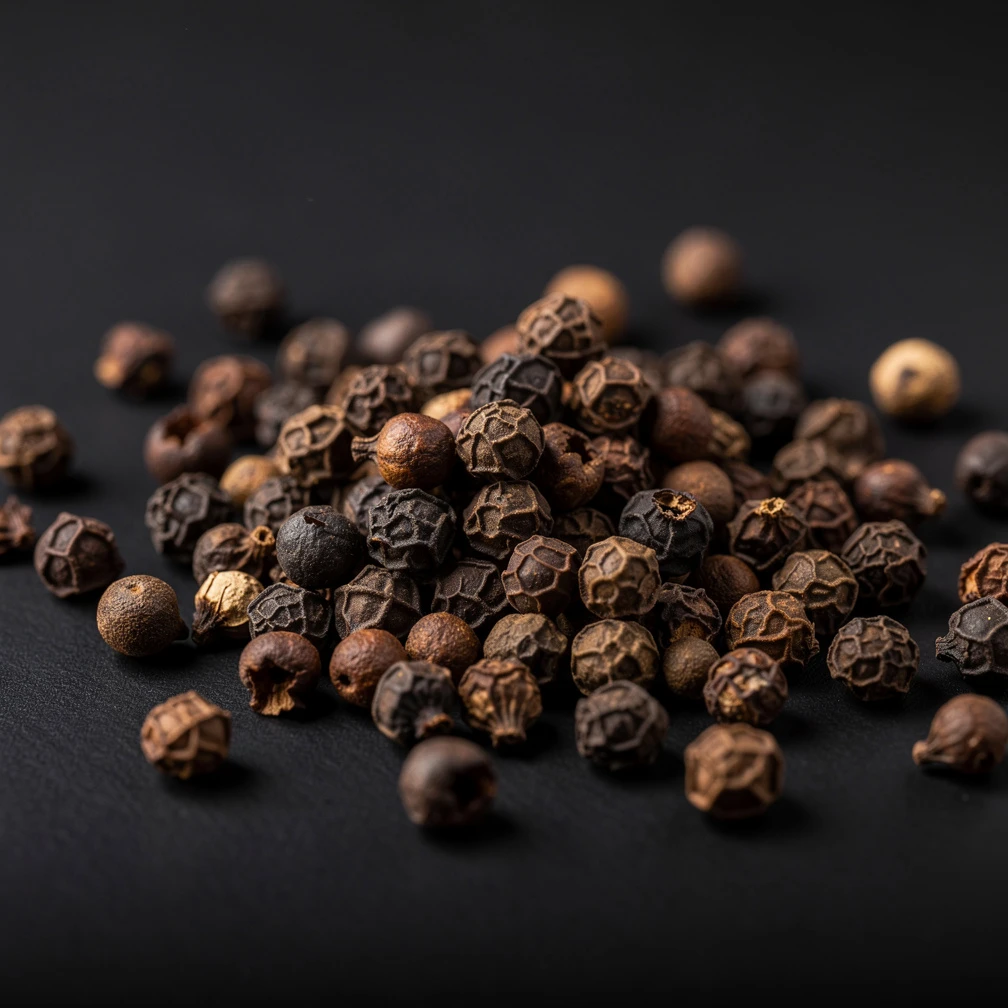
Pepper tree berries taste milder than Piper nigrum peppercorns, yet their oil shares a comparable zest. In 18th‑century trade logs, merchants listed pepper tree as a cost‑effective alternative, saving up to 30 % on spice expenses.
How should pepper tree oil be stored?
Store the oil in amber glass away from heat to preserve its volatile compounds. After six months at 25 °C, gas‑chromatography shows a 15 % drop in α‑pinene levels, indicating oxidation.
Do regional differences affect the oil’s composition?
Berries grown in coastal Brazil produce oil with higher limonene, while inland harvests favor α‑pinene. Analysis of 2022 samples showed a 5 % increase in limonene for coastal batches.
Are synthetic alternatives to pepper tree oil common?
Synthetic analogs mimic the pepper tree’s spicy note, but they lack the subtle citrus nuance of natural oil. In 2020, 40 % of perfume houses reported preferring natural extracts for premium lines.