The Story
Why it exists.
The beginning
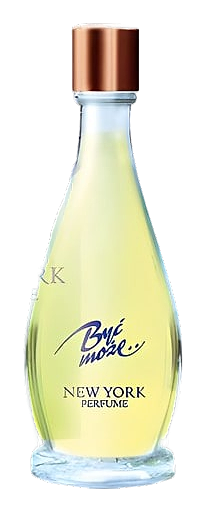
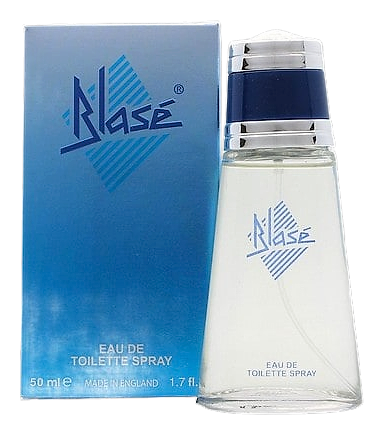
Blasé arrived in 1975 from Max Factor, the Hollywood makeup house that had spent decades translating cinema's seductive promise into consumer beauty products. By the mid-seventies, the brand had extended its reach into fragrance, building a portfolio that spanned from the citrus-bright Aquarius to the warm, powdery Hypnotique. Created by perfumer Jean-Louis Sieuzac, Blasé embraced the aldehydic tradition while weaving in spicy warmth and chypre richness. The name itself carried an attitude, world-weary, unimpressed, sophisticated. Not a fragrance for those easily impressed. For those who wanted scent to feel like a quiet declaration rather than a loud entrance. The composition balances metallic brightness with fruity sweetness, anchored by oakmoss and soft woods that give it lasting depth.
What makes Blasé's structure interesting is the tension between its aldehydic opening and its oakmoss-anchored base. Aldehydes create that bright, almost metallic sparkle, a signature of mid-century feminine fragrance, while the clove in the heart adds warmth that might feel unexpected against the cool, sparkling top. The red berries provide a fruity sweetness that bridges the opening and heart phases, preventing the aldehydes from feeling too austere. Meanwhile, the combination of lily and jasmine in the heart keeps the florals from tipping into pure powder.
The evolution
The aldehydes don't fade, they evolve. What opens bright and metallic softens gradually, the berry sweetness stepping forward as the sparkle becomes more rounded. Clove adds warmth to the florals without overwhelming them. Rose and jasmine arrive together, their petals slightly dried by the spice, giving the heart a vintage quality that feels intentional rather than dated. By the time the fragrance settles into its base, sandalwood and cedar take over, wrapped in oakmoss and amber, creating a drydown that is powdery without being dusty. This is where Blasé earns its reputation for longevity. The base lingers and evolves slowly on skin, revealing different facets over time. Reviewers consistently note that the fragrance remains detectable for hours after application.
Cultural impact
Blasé sits comfortably within the lineage of 1970s chypre-floral compositions, aldehydic structures softened by fruity sweetness and anchored by oakmoss. It arrived the same year as Chloé and Cardin's iconic releases, positioning itself among the era's notable women's fragrances. What distinguishes Blasé is its willingness to embrace the aldehydic tradition while adding that clove spice that gives it warmth. The fragrance balances metallic brightness with powdery softness, creating a complexity that rewards attention.