


Heritage
A house, in its own words
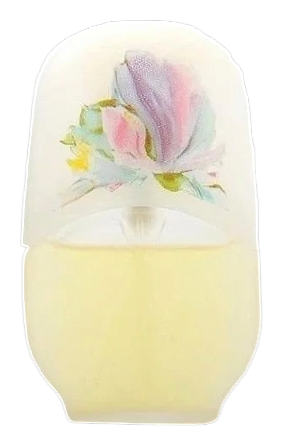
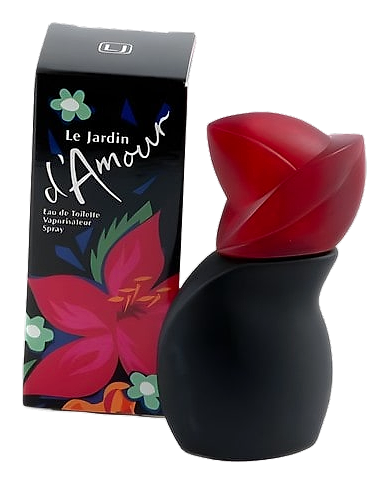
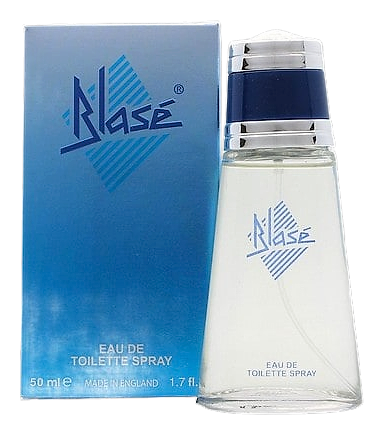
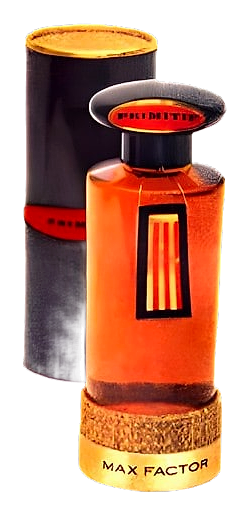
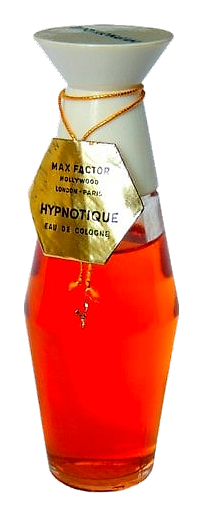
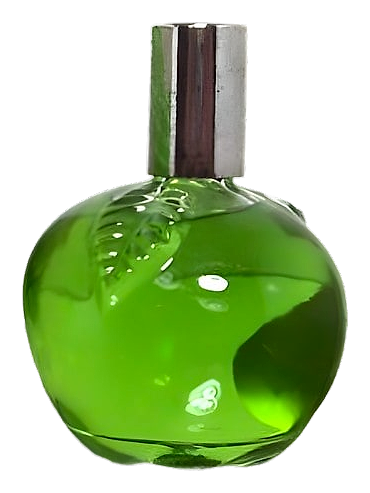
Max Factor was founded in 1909 by Maximilian Faktorowicz, a Polish‑Jewish chemist who emigrated from Russia to the United States. He opened a small salon in Los Angeles, where he quickly earned a reputation for creating makeup that could survive the bright lights of early film sets. By the 1930s his products, including the first powder he called "make‑up," became standard on Hollywood sets, and the name Max Factor entered the public lexicon as a synonym for stage‑ready beauty. In 1938, after the founder’s death, his son, Max Factor Jr., expanded the company into a full‑line cosmetics house, adding skin care and fragrance. The first Max Factor perfume, Primitif, launched in 1956 and introduced a soft, floral profile that matched the brand’s makeup aesthetic. Two years later Hypnotique arrived, a scent that blended aldehydic florals with a powdery base, and it quickly became a bestseller, aided in part by a mention in the 1962 novel "Sex and the Single Girl." The 1970s saw a burst of new releases: Green Apple (1974) captured a crisp fruit note that appealed to younger buyers, while Blasé (1975) and Just Call Me Maxi (1976) explored more gourmand and playful directions. The 1980s added Le Jardin (1982) and its companion Le Jardin d'Amour (1986), both of which emphasized fresh green accords and romantic florals. Throughout the decades, Max Factor maintained a presence in department stores and drug chains, positioning its fragrances as accessible extensions of its makeup line. In 1999 Coty Inc. acquired Max Factor, integrating the brand into a larger portfolio while preserving its historic name. The acquisition allowed the fragrance division to benefit from Coty’s global distribution network, leading to renewed releases such as Liaisons Affair (1988) and a series of limited editions in the 2000s. Despite changes in ownership, the brand continues to reference its Hollywood origins in marketing and product storytelling, reminding consumers that the scent experience is part of the same performance art that made Max Factor a household name in makeup. Max Factor treats scent as an extension of personal presentation, a principle that stems from its makeup origins. The brand believes that a fragrance should complement a wearer’s style the way a well‑chosen lipstick finishes a look. This perspective drives a focus on balance, ensuring that each perfume offers a clear structure that can be layered with other Max Factor products. The company values approachability; it avoids overly niche compositions in favor of scents that can be recognized and enjoyed in everyday settings. At the same time, Max Factor respects the craft of perfumery, selecting ingredients that echo the tactile qualities of its cosmetics – for example, the powdery musk in Hypnotique mirrors the soft finish of its signature face powder. Sustainability has entered the brand’s agenda in recent years. Max Factor reports that it sources certain raw materials from certified suppliers and works to reduce waste in its packaging. The brand’s creative teams collaborate with external perfumers, allowing fresh perspectives while retaining a consistent house DNA rooted in classic, clean lines. Overall, Max Factor’s fragrance philosophy blends Hollywood heritage with a modern, inclusive outlook, aiming to make scent a seamless part of daily grooming rather than a separate ritual.