
The Story
Why it exists.
The beginning
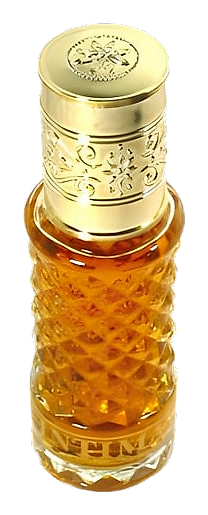
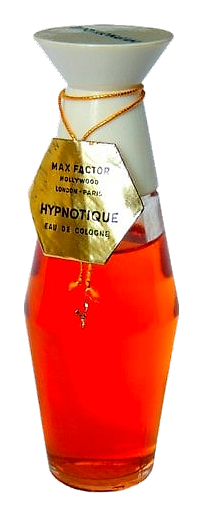
Hypnotique arrived in 1958, composed by László Lengyel for Max Factor, the Hollywood makeup house that had spent decades dressing cinema's leading faces. The name was a declaration. A fragrance meant to hold attention, to make itself impossible to dismiss. Lengyel reached for the aldehydic structure that was beginning to define modern femininity, that waxy, slightly soapy quality that could lift a composition into something memorable. But he grounded it with oakmoss and animalic notes, giving the scent weight beneath its brightness.
What makes Hypnotique structurally interesting is how it refuses to stay in one place. Aldehydes at the top create an immediate, almost jarring brightness, that characteristic effervescence that can read as medicinal on first spray. The florals that follow soften the landing, but never fully smooth it out. The base does something different entirely: oakmoss brings green, earthy depth, while the animalic notes add warmth that feels human, intimate. It's a chypre that actually commits to being a chypre.
The evolution
The opening is all aldehydes. That waxy, carbonated quality bursts forward with a clarity that demands attention. The citrus and spice notes peek through briefly, a flash of brightness before the florals arrive. The heart settles into something softer: the unspecified floral notes don't declare themselves loudly, but they prevent the composition from going sharp. Then the oakmoss takes over. The green deepens, becomes earthy, almost mineral. And underneath it all, the animalic warmth surfaces, musk and something that smells like skin, like warmth, like the memory of a person rather than a perfume. The drydown lasts for hours. Close to the body, intimate, the kind of scent another person might catch only when they lean in.
Cultural impact
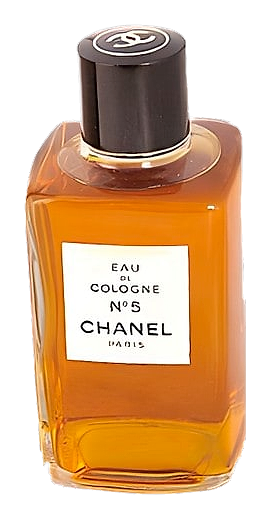
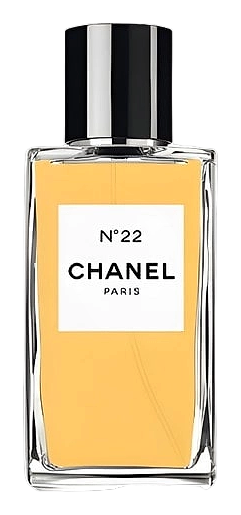
Hypnotique found its audience in the early 1960s, riding the wave of aldehydic florals that had been building since Chanel No. 5. The the community comparison data suggests wearers find echoes of that landmark fragrance here, though Hypnotique commits harder to the oakmoss and animalic base. For those drawn to classic chypres but find No. 5 too abstract, this 1958 Max Factor offering provides a different entry point: earthier, warmer, closer to the skin. It never achieved the cultural saturation of its peers, which makes it something of a collector's find today, a piece of Hollywood's aromatic history that slipped through the cracks.