
The Story
Why it exists.
The beginning
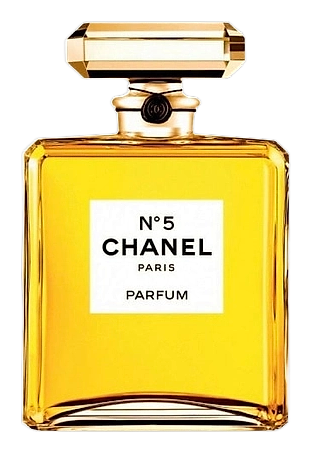
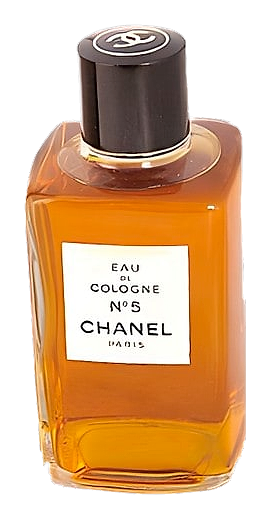
Coco Chanel wanted a fragrance that smelled like a woman, not a flower. In 1921, she commissioned Ernest Beaux to create exactly that, something unprecedented, overdosed with aldehydes, layered until it stopped being floral and became abstract. Beaux delivered. Chanel reportedly said, upon smelling it: 'Finally, this is what I was looking for.' The EDC concentration arrived as a lighter interpretation of the original extrait, but it carried the same structural ambition, aldehydes at the top, powder at the heart, and the unmistakable architecture of the fragrance that rewrote the rules of modern perfumery. Released alongside the Parfum and Eau de Toilette in that same founding year, the Cologne offered an accessible entry into the formula's DNA without sacrificing its revolutionary character.
The aldehydes are the point. These waxy, fatty compounds, rare and expensive in 1921, created a sensation that no purely floral composition could achieve: something layered, something that changed as it warmed on skin. Beaux used them like a composer uses dissonance, not to confuse, but to deepen. The result is a fragrance that doesn't announce itself and then fade. It unfolds. Iris contributes its characteristic powdery, violet-root earthiness; jasmine brings warmth that borders on animal. Civet, present in the base, whispers rather than shouts. The combination reads as abstract elegance, not a list of ingredients, but an impression.
The evolution
The opening hits bright and sharp, aldehydes pulling the fragrance wide open like a window in a closed room. That waxy, almost metallic brightness is the tell. Forty minutes in, the florals arrive: jasmine first, warm and present, then rose settling beneath it. The iris keeps everything honest, powdery, slightly mineral, like the heart of a violet. By hour three, the aldehydes have retreated but not disappeared. They linger at the edge of the drydown, keeping the powder alive as amber and musk settle close to skin. Vetiver and patchouli add a quiet earthiness, not dark, not heavy, just present. On fabric, the aldehydes fade faster and the powder lingers longest. A silk scarf worn all day still holds a trace by evening.
Cultural impact
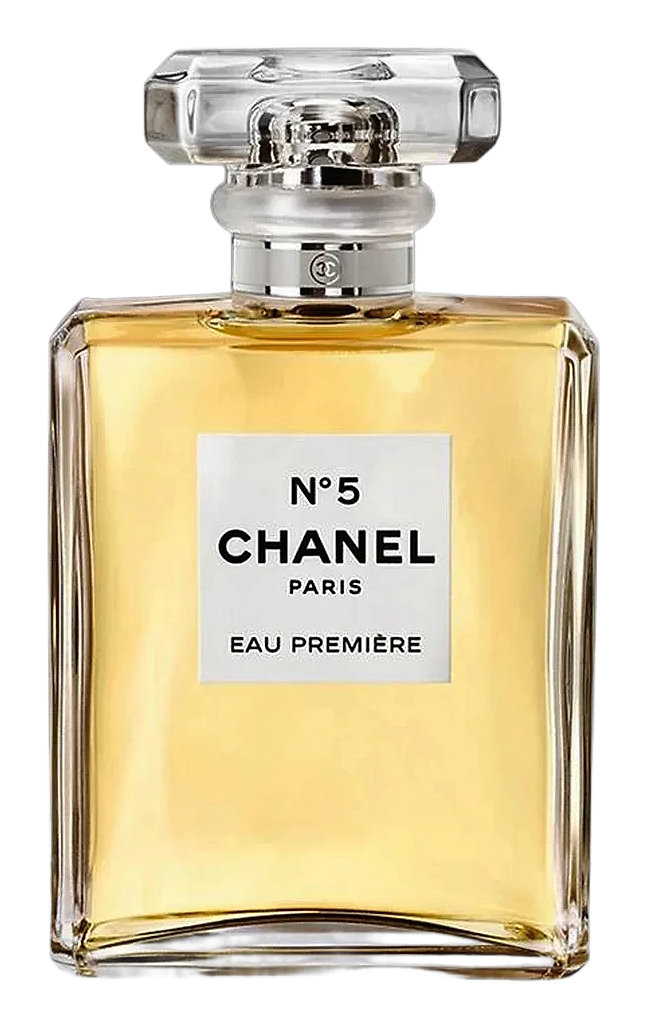
No 5 arrived in 1921 and changed perfumery. Ernest Beaux used aldehydes at a concentration no one had attempted, creating a fragrance that smelled abstract rather than floral. It established the template for modern fragrance composition. The EDC concentration, discontinued in the 1990s and succeeded by the Eau de Parfum, offered a lighter interpretation of that revolutionary structure. For those curious about Chanel's olfactory heritage without committing to the extrait's intensity, the Cologne served as the accessible entry point into the formula that started everything.