The Story
Why it exists.
The beginning
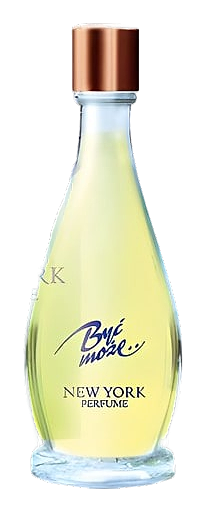
The Być Może... collection asks a question with every city. Rome answers it. Not with monuments or postcards, the Roman warmth here lives in the ylang-ylang and jasmine at the heart, the cream and resin that make this feel sun-drenched without breaking a sweat. It's a fragrance named for a place, yes, but the way Miraculum approaches it has always been more about mood than geography. The collection maps cities through feeling rather than architecture. Paris had its crispness. Tokyo, something sharper. Rome brings the warmth of late-afternoon light and the particular intimacy of a city that knows how to linger. That warmth sits at the center of this composition, not in citrus, not in spice, but in the florals that build and bloom as the fragrance settles into its base.
The aldehydes here do something unusual. Rather than lifting the opening and then retreating, they thread through the entire composition, present in the top, still detectable in the drydown. This is characteristic of the aldehydic chypre structure, and it's what separates this from more modern interpretations of the form. The effect is a fragrance that feels unified across its phases rather than dramatically episodic. Oakmoss plays its traditional chypre role without apology. In an era when many houses have reformulated around oakmoss restrictions, the presence of a full, mossy base here is notable, it gives the drydown a cool, earthy quality that balances the warmth of the heart florals.
The evolution
The opening aldehyde arrives crisp and waxy, clean, almost powdery, with the aldehydes doing the work they were designed to do. Pitosporum sits beneath, green and slightly bitter, providing counterweight to the aldehydic brightness. This phase lasts thirty minutes before the hand-off begins. The heart is where Rome earns its latitude. Ylang-ylang and jasmine arrive together, their creamy, tropical quality warmed by the red rose at the center. The rose is cool rather than sweet, it doesn't romanticize the composition, it keeps it grounded. This phase carries for two to three hours, the florals softening as the base begins to assert itself. The drydown settles into oakmoss and labdanum, with sandalwood providing warmth underneath. The result is earthy, slightly animalic, and quietly sophisticated. It lingers close to the skin for several more hours, not projecting, but present. The kind of fragrance you notice on your wrist the next morning and apply again without thinking.
Cultural impact
Rome occupies a particular position in the Być Może... city collection, warmer and more intimate than its siblings, with the kind of floral heart that rewards patience rather than instant impact. Wearers tend to describe it as the fragrance of someone who doesn't need to announce themselves. Community ratings place it in the solid everyday category, not a statement piece, not a wallflower. The kind of fragrance that earns loyalty over years rather than excitement on first spray. The aldehydic structure and oakmoss base place it firmly in the chypre tradition, a category that has lost ground in mainstream perfumery but retains a devoted following among those who prefer their florals cool, complex, and close to the skin.