Pitosporum
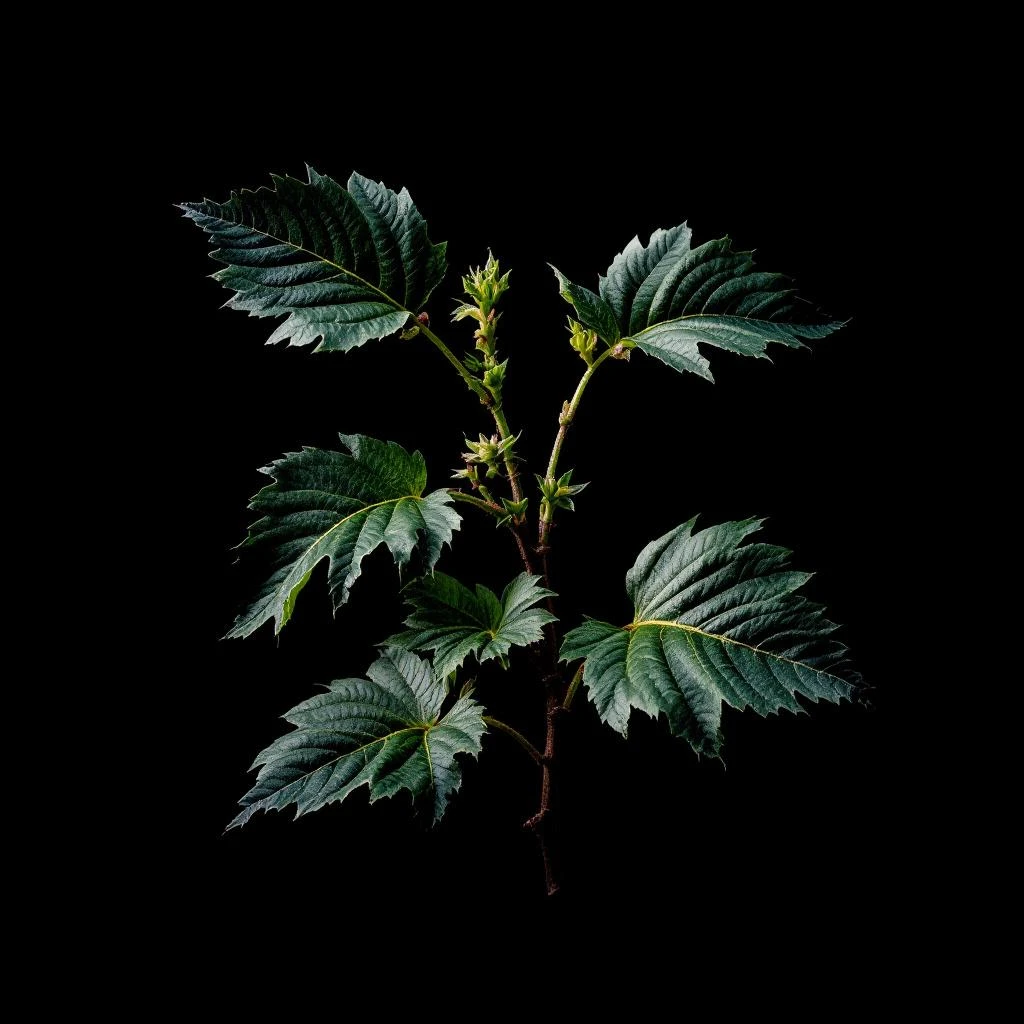
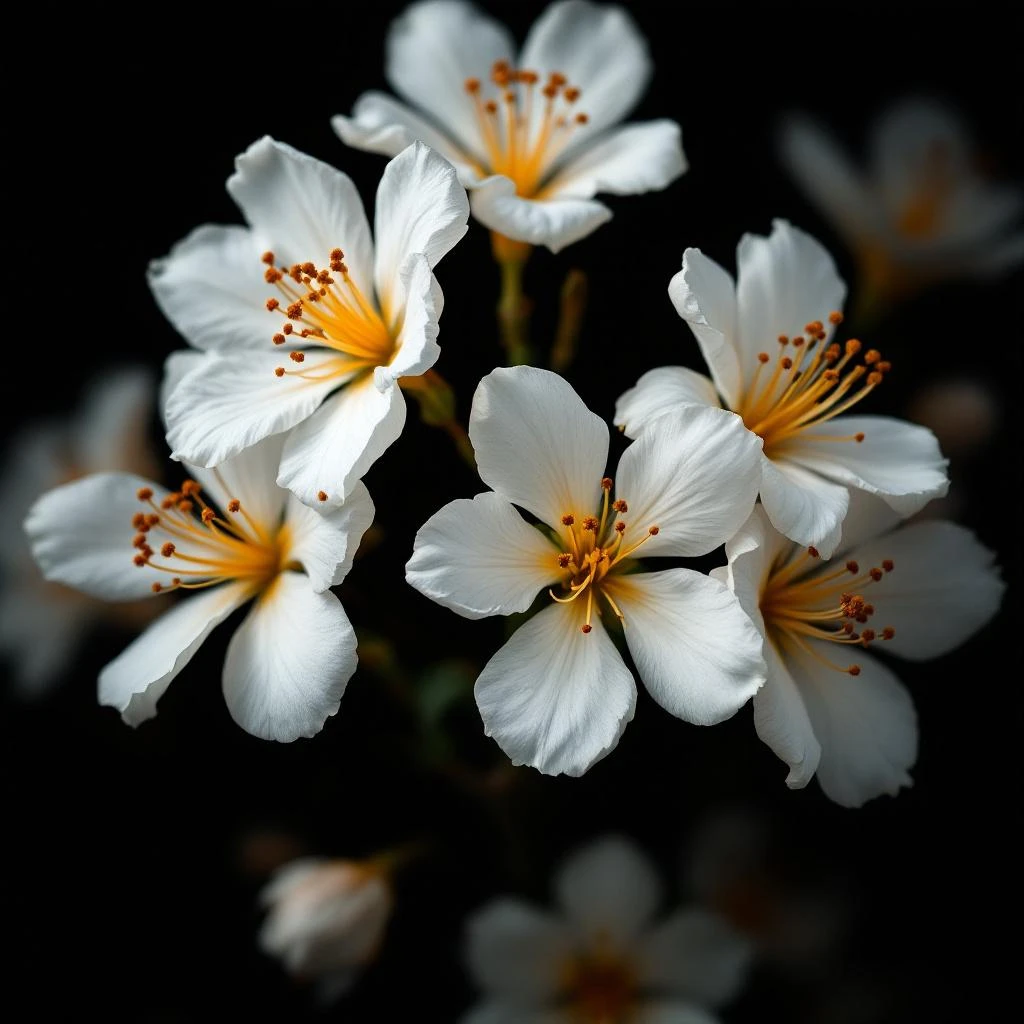
A refined botanical note from East Asia's fragrant pittosporum shrub, prized in fine fragrance for its intensely green, luminous character. Delicate white flowers and glossy foliage inspire this sophisticated accord.
Character
How it smells
Green luminosity with subtle floral grace.
Pittosporum flowers emit their fragrance most strongly at night, attracting nocturnal pollinators in their native East Asian habitats.







Origin
Japan
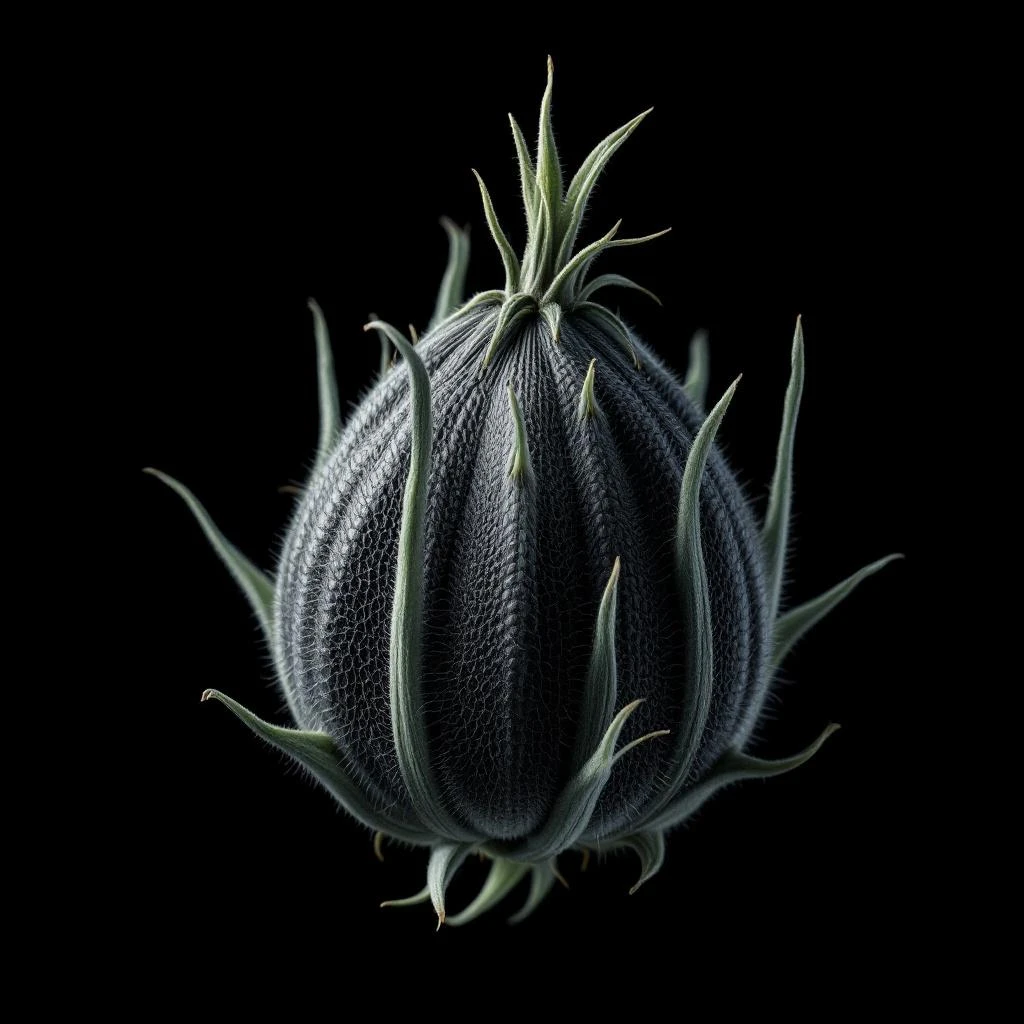
Pittosporum has deep roots in East Asian horticulture and traditional medicine. Japanese and Chinese healers used various species for respiratory and inflammatory conditions for centuries, though fragrance applications remained modest until modern perfumery developed.
Pittosporum tobira, native to Japan, China, and Taiwan, became the primary species of interest for fragrance development. The note gained prominence during the 1980s and 1990s, particularly within Japanese and European niche perfumery circles seeking alternatives to conventional green accords.
Its introduction coincided with a broader movement toward botanical authenticity in fragrance, though the practical challenges of natural sourcing pushed perfumers toward synthetic interpretation. Today, pittosporum appears primarily in high-end fragrances as a sophisticated heart note, valued for its ability to add transparency without heaviness.
Wears it best
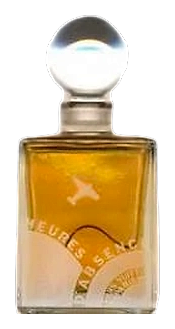
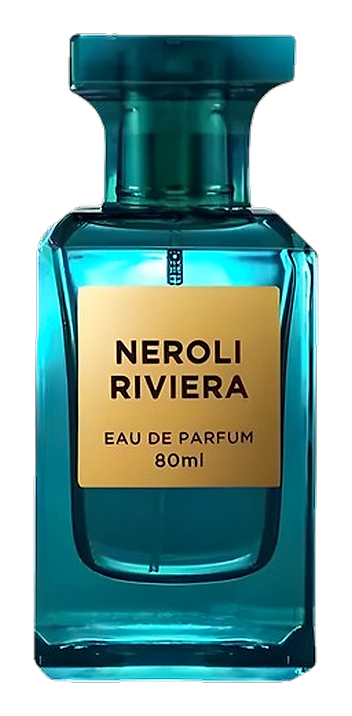
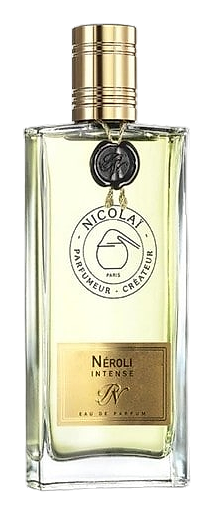
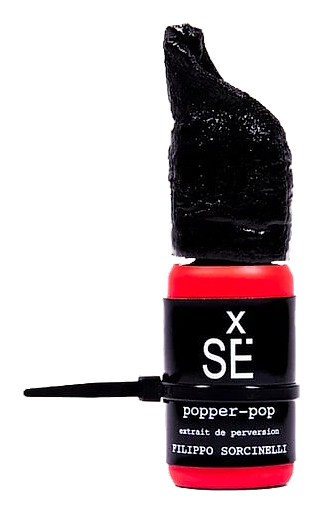
Fragrances featuring Pitosporum

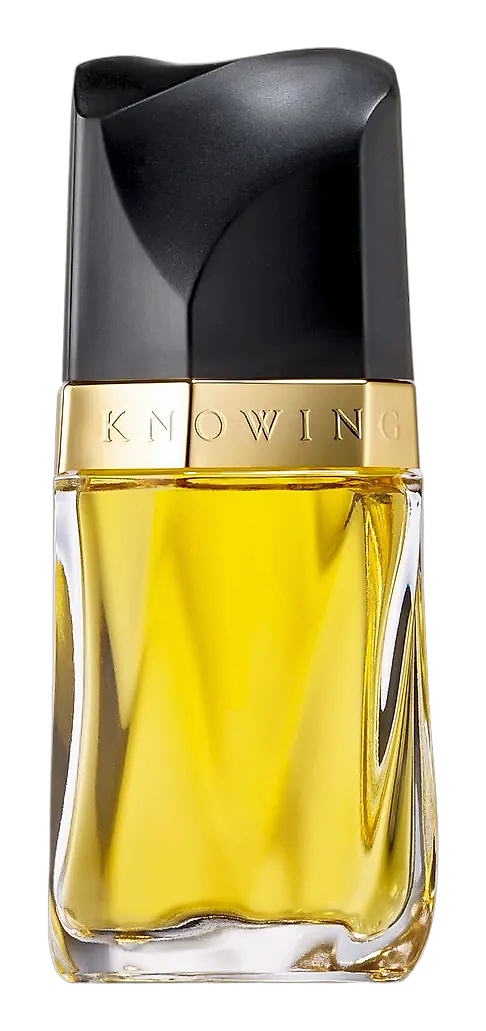
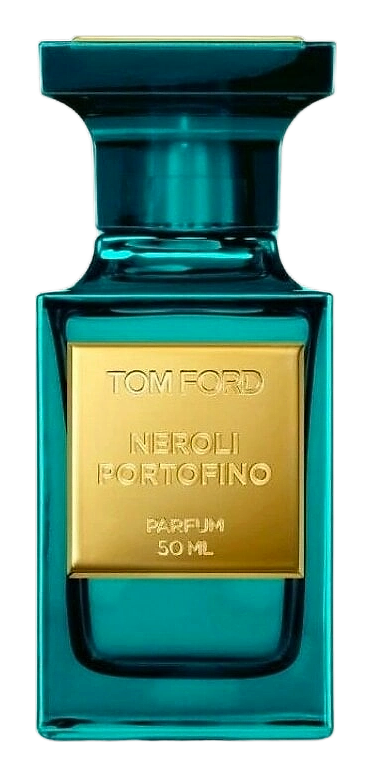
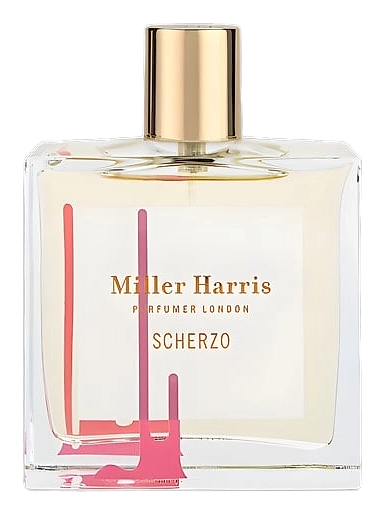
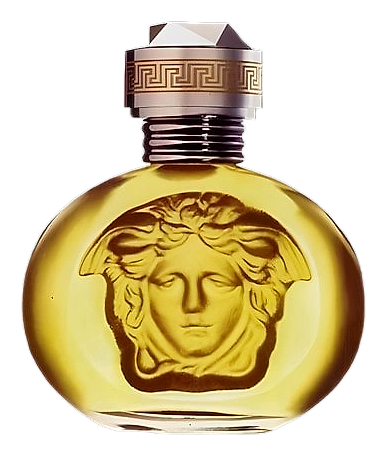
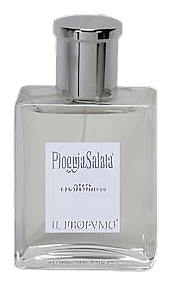
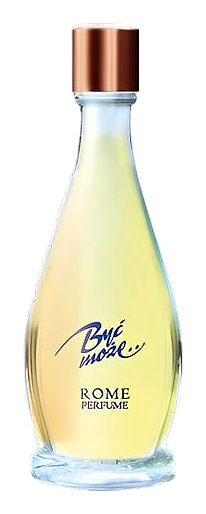
Brands
Brands known for Pitosporum
Good to know
Questions, answered
The essentials on Pitosporum in perfumery: how it smells, where it comes from, and how it behaves on skin.
What does pittosporum smell like?
Pittosporum smells intensely green, like crushed leaves after rain, with subtle white flower undertones. It has a waxy, glossy quality reminiscent of fresh foliage on a dewy morning.
Is pittosporum a natural or synthetic ingredient?
Pittosporum is typically synthesized in laboratories. The plant contains insufficient aromatic compounds for practical natural extraction, so perfumers replicate its characteristic green-floral signature using aromachemicals.
What type of fragrance note is pittosporum?
Pittosporum functions as a heart note, offering botanical transparency and natural luminosity without weight. It adds elegant green nuance rather than raw herbaceous intensity.
Which fragrances feature pittosporum?
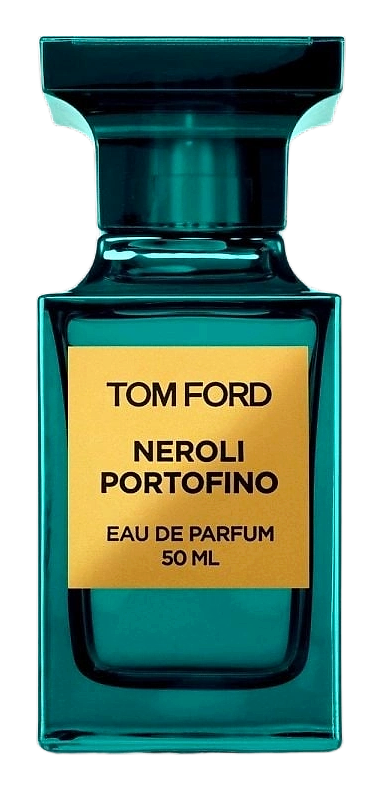
Pittosporum appears in Tom Ford Neroli Portofino, where it supports the citrus and neroli composition with green botanical depth.
When did pittosporum become popular in perfumery?
Pittosporum gained traction in fine fragrance during the 1980s and 1990s, particularly in Japanese and European niche perfumery seeking botanical refinement beyond conventional green notes.
Where is pittosporum native?
Pittosporum species, especially Pittosporum tobira, grow natively across East Asia including Japan, China, and Taiwan, thriving in coastal and subtropical regions.
How does pittosporum differ from other green notes?
Unlike sharp grass or medicinal herb notes, pittosporum carries a refined, almost creamy greenness with subtle floral whispers that lend elegance rather than rawness to compositions.
What compounds give pittosporum its characteristic scent?
Essential oil research identifies terpenoids and fatty acids as dominant components, with monoterpenes contributing the fresh, green character and sesquiterpenes adding depth and waxy nuance.





